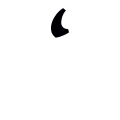
ʻ
See also: ‘
 | ||||||||
| ||||||||
Translingual
Symbol
ʻ
- Spiritus asper used in Wade-Giles romanization of Mandarin Chinese.
- 1898, Harlan P. Beach, Dawn on the Hills of Tʻang (in English), New York, →OCLC, page 154:
- Chiang-su was the main centre of the great Tʻai Pʻing rebellion, Nanking being the rebel capital from 1853 to 1864.
- 1904, C. D. Tenney, Geography of Asia (in English), New York: MacMillan and Co, →OCLC, page 6:
- Chʻing-wang-tao (秦皇島) is a deep water port on the Gulf of Pechili, and is important as a port for the shipping of coal, and also as the winter port for the exports and imports of Tientsin.
- For more quotations using this term, see Citations:ʻ.
- (IPA, obsolete) light aspiration
- (ALA-LC romanization) transliteration of the Semitic letter ayin.
- (international standards) Transliterates Perso-Arabic letter ع in Indic languages.
Usage notes
The spiritus asper was added to the IPA for light aspiration in 1929, with a full letter ⟨h⟩ used for heavy aspiration. Sometime in the 1970s the superscript ⟨ʰ⟩ was approved as an alternative to the spiritus asper, and in 1979 the other two options were withdrawn.
Armenian
Diacritic
ʻ
Usage notes
According to the Unicode Standard, there is no left half ring in Armenian. Unicode character U+0559 is not used. It appears that this character is a duplicate character, which was encoded to represent U+02BB MODIFIER LETTER TURNED COMMA, used in Armenian transliteration. U+02BB is preferred for this purpose.[1]
See also
- (The Armenian script): Աա Բբ Գգ Դդ Եե Զզ Էէ Ըը Թթ Ժժ Իի Լլ Խխ Ծծ Կկ Հհ Ձձ Ղղ Ճճ Մմ Յյ Նն Շշ Ոո Չչ Պպ Ջջ Ռռ Սս Վվ Տտ Րր Ցց Ււ Փփ Քք Օօ Ֆֆ
- (Letter combinations): ու և ﬔ ﬕ ﬓ ﬗ ﬖ
- (Dialectological): ՠ / ա̈ ա̊ ա̄ ը̂ է̀ էօ / օ̈ էօ̀ / օ̈̀ իւ / ո̈ւ գյ կյ քյ հյ բՙ դՙ գՙ ձՙ ջՙ ղՙ ֈ ʔ
- (Punctuation): ՙ ՚ ՛ ՜ ՝ ՞ ՟ ․ ։ ֊
- (Symbols): ֏ ֎ ֍
Further reading
- Ačaṙean, Hračʻeay (1911) Hay barbaṙagitutʻiwn. Uruagic ew dasaworutʻiwn hay barbaṙneri (barbaṙagitakan kʻartēsov) [Armenian dialectology: A sketch and classification of Armenian dialects (with a dialect map)] (Ēminean azgagrakan žoġovacu; 8) (in Armenian), Moscow and Nor Nakhichevan: Lazarev Institute of Oriental Languages, page 10
- Ovsepjan, L. S., Gevorkjan, G. G. (2013) “Армянские диалекты (общий обзор) [Armenian dialects (general overview)]”, in Yuri B.Koryakov and Andrej A. Kibrik, editors, Языки мира: Реликтовые индоевропейские языки Передней и Центральной Азии [Languages of the World: Relict Indo-European languages of Western and Central Asia] (in Russian), Moscow: Academia, page 324
Khoekhoe
This article is issued from Wiktionary. The text is licensed under Creative Commons - Attribution - Sharealike. Additional terms may apply for the media files.