ականջ
Armenian
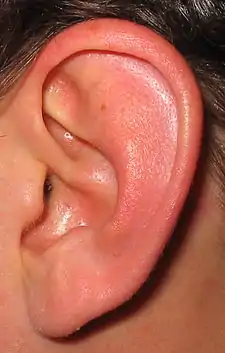
ականջ
Etymology
From Old Armenian ականջ (akanǰ); see it for more.
Pronunciation
- (Eastern Armenian, standard) IPA(key): [ɑkɑ́nd͡ʒ]
- (Western Armenian, standard) IPA(key): [ɑɡɑ́nt͡ʃʰ]
Audio (Eastern Armenian) (file)
Noun
ականջ • (akanǰ)
- (anatomy) ear
- ականջ անել / ականջ դնել ― akanǰ anel / akanǰ dnel ― 1) listen; 2) to consider, to pay attention to; 3) to eavesdrop, to listen in
- ականջ կախել ― akanǰ kaxel ― to listen, to agree
- ականջ(ը) տալ ― akanǰ(ə) tal ― 1) to do as someone says; 2) to listen
- ականջը արնոտել՝ կտրել ― akanǰə arnotel, ktrel ― 1) used when a man or woman gets engaged; 2) to sacrifice an animal
- ականջը բամբակ՝ բուրդ կոխել ― akanǰə bambak, burd koxel ― to ignore, to turn a deaf ear
- ականջը գցել ― akanǰə gcʻel ― to reach someone's ears, to inform someone
- ականջը դռանը / ականջը դռանը լինել ― akanǰə dṙanə / akanǰə dṙanə linel ― to have one's ear to the ground, to await something
- ականջը թեթև ― akanǰə tʻetʻew ― to do as one's told, to quickly obey
- ականջը լցնել ― akanǰə lcʻnel ― to turn someone against someone else by repeatedly saying negative things about that person
- ականջը ծակ ― akanǰə cak ― unyielding, intractable
- ականջը ծակել ― akanǰə cakel ― 1) to pierce the earlobe; 2) to hurt the ears (e.g., with a piercing shriek)
- ականջը ծանր ― akanǰə canr ― hard of hearing, partially deaf
- ականջը ծանրանալ ― akanǰə canranal ― to have a trouble hearing, to become somewhat hard of hearing
- ականջը կախ ― akanǰə kax ― 1) eavesdropping, following secret conversations; 2) minding one's own business, not getting involved in other people's business
- ականջը կանչել (խոսել) ― akanǰə kančʻel (xosel) ― to hear a voice in one's head, which is seen as a sign that someone is talking about one
- ականջը կանչի՝ խոսի ― akanǰə kančʻi, xosi ― to let someone know that they are being talked about (especially when an absent person is talked about)
- ականջը ձայնի՝ ձենի (լինել) ― akanǰə jayni, jeni (linel) ― to be waiting for news, to have one's ear to the ground
- ականջը մտնել ― akanǰə mtnel ― to understand, to get
- ականջը ոլորել / ականջը քաշել ― akanǰə olorel / akanǰə kʻašel ― 1) to twist someone's ear (causing pain); 2) to advise, to warn, to scold
- ականջը սղոցել՝ խարտոցել ― akanǰə sġocʻel, xartocʻel ― 1) to annoy by repeatedly saying the same things over and over again; 2) (music) to unnerve with cacophony
- ականջը սրել՝ լարել ― akanǰə srel, larel ― to prick up one's ears, to concentrate in order to hear well
- ականջը տանել ― akanǰə tanel ― to talk someone's ear off, to talk excessively
- ականջը ցցել ― akanǰə cʻcʻel ― see ականջը սրել
- ականջի՝ ականջից բուրդը (բամբակը) հանել ― akanǰi, akanǰicʻ burdə (bambakə) hanel ― to listen carefully, to be all ears
- ականջի ետև գցել ― akanǰi etew gcʻel ― to ignore
- ականջի ետևը տեսնել ― akanǰi etewə tesnel ― to see that someone cannot achieve what they set out to do, that they are bound to fail
- ականջին ասել ― akanǰin asel ― to whisper secretly in someone's ear
- ականջին դիպչել՝ հասնել ― akanǰin dipčʻel, hasnel ― to listen, to not know something fully or with certainty
- ականջին զարկել ― akanǰin zarkel ― to reach one's ear, to remember, to not forget
- ականջին ընկնել ― akanǰin ənknel ― see ականջն ընկնել
- ականջին հասցնել ― akanǰin hascʻnel ― 1) to box someone's ear; 2) to announce news, to bring news
- ականջին օղ անել ― akanǰin ōġ anel ― to keep in one's mind as a piece of advice, to always remember something as a piece of advice
- ականջն ընկնել / ականջովն ընկնել ― akanǰn ənknel / akanǰovn ənknel ― to hear, to listen
- ականջները խլշել ― akanǰnerə xlšel ― to prick up one's ear, to listen carefully
- ականջները խցել ― akanǰnerə xcʻel ― to be indifferent, to not want to hear
- ականջները չորս անել ― akanǰnerə čʻors anel ― to be all ears, to listen very attentively
- ականջում հալել ― akanǰum halel ― to explain the details, to explain very well
- իշի (ուղտի) ականջում քնել ― iši (uġti) akanǰum kʻnel ― to be unaware or ignorant of the reality
- մեծ կտորը ականջը թողնել՝ մնալ ― mec ktorə akanǰə tʻoġnel, mnal ― used as an expression of threat
- մի ականջից մտնել, մյուսից դուրս գալ ― mi akanǰicʻ mtnel, myusicʻ durs gal ― 1) in one ear and out the other; 2) to ignore or not value what was said
- (figuratively) hearing, ability to hear
- (figuratively) spy, informant
- (figuratively) anything that is ear-shaped or resembles an ear
- (figuratively) shoehorn
- (dialectal) eye (of a needle)
- (dialectal) leather bearing (on a spinning wheel)
- (dialectal) type of pastry shaped like an ear
Declension
i-type, inanimate (Eastern Armenian)
| singular | plural | |||
|---|---|---|---|---|
| nominative | ականջ (akanǰ) | ականջներ (akanǰner) | ||
| dative | ականջի (akanǰi) | ականջների (akanǰneri) | ||
| ablative | ականջից (akanǰicʻ) | ականջներից (akanǰnericʻ) | ||
| instrumental | ականջով (akanǰov) | ականջներով (akanǰnerov) | ||
| locative | ականջում (akanǰum) | ականջներում (akanǰnerum) | ||
| definite forms | ||||
| nominative | ականջը/ականջն (akanǰə/akanǰn) | ականջները/ականջներն (akanǰnerə/akanǰnern) | ||
| dative | ականջին (akanǰin) | ականջներին (akanǰnerin) | ||
| 1st person possessive forms (my) | ||||
| nominative | ականջս (akanǰs) | ականջներս (akanǰners) | ||
| dative | ականջիս (akanǰis) | ականջներիս (akanǰneris) | ||
| ablative | ականջիցս (akanǰicʻs) | ականջներիցս (akanǰnericʻs) | ||
| instrumental | ականջովս (akanǰovs) | ականջներովս (akanǰnerovs) | ||
| locative | ականջումս (akanǰums) | ականջներումս (akanǰnerums) | ||
| 2nd person possessive forms (your) | ||||
| nominative | ականջդ (akanǰd) | ականջներդ (akanǰnerd) | ||
| dative | ականջիդ (akanǰid) | ականջներիդ (akanǰnerid) | ||
| ablative | ականջիցդ (akanǰicʻd) | ականջներիցդ (akanǰnericʻd) | ||
| instrumental | ականջովդ (akanǰovd) | ականջներովդ (akanǰnerovd) | ||
| locative | ականջումդ (akanǰumd) | ականջներումդ (akanǰnerumd) | ||
i-type, inanimate (Western Armenian)
| singular | plural | |||
|---|---|---|---|---|
| nominative | ականջ (akanǰ) | ականջներ (akanǰner) | ||
| dative | ականջի (akanǰi) | ականջներու (akanǰneru) | ||
| ablative | ականջէ (akanǰē) | ականջներէ (akanǰnerē) | ||
| instrumental | ականջով (akanǰov) | ականջներով (akanǰnerov) | ||
| definite forms | ||||
| nominative | ականջը/ականջն (akanǰə/akanǰn) | ականջները/ականջներն (akanǰnerə/akanǰnern) | ||
| dative | ականջին (akanǰin) | ականջներուն (akanǰnerun) | ||
| ablative | ականջէն (akanǰēn) | ականջներէն (akanǰnerēn) | ||
| instrumental | ականջովը/ականջովն (akanǰovə/akanǰovn) | ականջներովը/ականջներովն (akanǰnerovə/akanǰnerovn) | ||
| 1st person possessive forms (my) | ||||
| nominative | ականջս (akanǰs) | ականջներս (akanǰners) | ||
| dative | ականջիս (akanǰis) | ականջներուս (akanǰnerus) | ||
| ablative | ականջէս (akanǰēs) | ականջներէս (akanǰnerēs) | ||
| instrumental | ականջովս (akanǰovs) | ականջներովս (akanǰnerovs) | ||
| 2nd person possessive forms (your) | ||||
| nominative | ականջդ (akanǰd) | ականջներդ (akanǰnerd) | ||
| dative | ականջիդ (akanǰid) | ականջներուդ (akanǰnerud) | ||
| ablative | ականջէդ (akanǰēd) | ականջներէդ (akanǰnerēd) | ||
| instrumental | ականջովդ (akanǰovd) | ականջներովդ (akanǰnerovd) | ||
Old Armenian
Etymology
Originally the dual of ունկն (unkn), from earlier *ագկանջ (*agkanǰ), from Proto-Indo-European *h₂(e/o)ws-kn̥-ih₁, from *h₂ṓws.
Noun
ականջ • (akanǰ)
- ear
- թմբուկ ականջաց ― tʻmbuk akanǰacʻ ― drum, tympanum
- խնուլ զականջս ― xnul zakanǰs ― to stop one's ears
- ուղղել զականջս ― ułłel zakanǰs ― to prick up one's ears
- ասել, խօսել յականջս ― asel, xōsel yakanǰs ― to speak in one's ear
- ցաւ ականջաց ― cʻaw akanǰacʻ ― ear-ache
- քչփորիկ ականջաց ― kʻčʻpʻorik akanǰacʻ ― ear-picker
- գէջ ականջաց ― gēǰ akanǰacʻ ― ear-wax
- ականջ ծովու ― akanǰ covu ― cove, creek
- ականջ ձկան ― akanǰ jkan ― mussel
- ձգել զականջ ուրուք ― jgel zakanǰ urukʻ ― to pinch the ear of someone; to rub his ears
Usage notes
Classically used only in the plural ականջք (akanǰkʻ), referring to both ears; ունկն (unkn) referred to a single ear. This is one of few words in which the Proto-Indo-European dual number has survived. See ակն (akn)/աչք (ačʻkʻ) for another example.
Declension
i-type
| singular (uncountable) | |
|---|---|
| nominative | ականջ (akanǰ) |
| genitive | ականջի (akanǰi) |
| dative | ականջի (akanǰi) |
| accusative | ականջ (akanǰ) |
| ablative | ականջէ (akanǰē) |
| instrumental | ականջիւ (akanǰiw) |
| locative | ականջի (akanǰi) |
| the singulars follow i-type declension the instrumental can be o-type ականջով (akanǰov) a plural instrumental ականջիւք (akanǰiwkʻ) is also attested | |
i-a-type
| plural only (plurale tantum) | |
|---|---|
| nominative | ականջք (akanǰkʻ) |
| genitive | ականջաց (akanǰacʻ) |
| dative | ականջաց (akanǰacʻ) |
| accusative | ականջս (akanǰs) |
| ablative | ականջաց (akanǰacʻ) |
| instrumental | ականջաւք = ականջօք (akanǰawkʻ = akanǰōkʻ) |
| locative | ականջս (akanǰs) |
| the plural follow i-a-type declension a misspelled plural instrumental ականջովք (akanǰovkʻ) is attested the genitive can be spelled ակընջաց (akənǰacʻ) | |
Derived terms
- ականջալուր (akanǰalur)
- ականջախոտ (akanǰaxot)
- ականջաման (akanǰaman)
- ականջամուտ (akanǰamut)
- ականջատ (akanǰat)
- ականջացաւ (akanǰacʻaw)
- ականջեմ (akanǰem)
- ականջթոռ (akanǰtʻoṙ)
- ականջկրկիտ (akanǰkrkit)
- ականջնեմ (akanǰnem)
- ականջուկ (akanǰuk)
- կատուականջ (katuakanǰ)
- մեծականջ (mecakanǰ)
- մկնականջ (mknakanǰ)
- շականջանամ (šakanǰanam)
- շականջանեմ (šakanǰanem)
- շականջեմ (šakanǰem)
- սականջեմ (sakanǰem)
- սականջնեմ (sakanǰnem)
- սկանջեմ (skanǰem)
- սկանջնեմ (skanǰnem)
Descendants
- Armenian: ականջ (akanǰ)
References
- Ačaṙyan, Hračʻya (1940) Hayocʻ lezvi patmutʻyun [History of the Armenian Language] (in Armenian), volume I, Yerevan: University Press, page 34
- Ačaṙean, Hračʻeay (1971–1979) “ականջ”, in Hayerēn armatakan baṙaran [Armenian Etymological Dictionary] (in Armenian), 2nd edition, a reprint of the original 1926–1935 seven-volume edition, Yerevan: University Press
- Awetikʻean, G., Siwrmēlean, X., Awgerean, M. (1836–1837) “ականջ”, in Nor baṙgirkʻ haykazean lezui [New Dictionary of the Armenian Language] (in Old Armenian), Venice: S. Lazarus Armenian Academy
- Martirosyan, Hrach (2010) “akanǰ”, in Etymological Dictionary of the Armenian Inherited Lexicon (Leiden Indo-European Etymological Dictionary Series; 8), Leiden and Boston: Brill, page 21
- Petrosean, Matatʻeay (1879) “ականջ”, in Nor Baṙagirkʻ Hay-Angliarēn [New Dictionary Armenian–English], Venice: S. Lazarus Armenian Academy
This article is issued from Wiktionary. The text is licensed under Creative Commons - Attribution - Sharealike. Additional terms may apply for the media files.