փուշ
Armenian
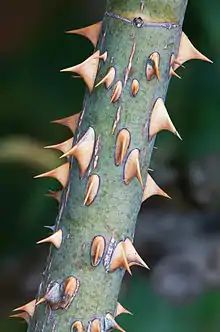
փշեր (1)
Etymology
From Old Armenian փուշ (pʻuš). For the sense "hangnail" compare Northern Kurdish pîj.
Pronunciation
- (Eastern Armenian, standard) IPA(key): [pʰuʃ]
- (Western Armenian, standard) IPA(key): [pʰuʃ]
Noun
փուշ • (pʻuš)
Declension
i-type, inanimate (Eastern Armenian)
| singular | plural | |||
|---|---|---|---|---|
| nominative | փուշ (pʻuš) | փշեր (pʻšer) | ||
| dative | փշի (pʻši) | փշերի (pʻšeri) | ||
| ablative | փշից (pʻšicʻ) | փշերից (pʻšericʻ) | ||
| instrumental | փշով (pʻšov) | փշերով (pʻšerov) | ||
| locative | փշում (pʻšum) | փշերում (pʻšerum) | ||
| definite forms | ||||
| nominative | փուշը/փուշն (pʻušə/pʻušn) | փշերը/փշերն (pʻšerə/pʻšern) | ||
| dative | փշին (pʻšin) | փշերին (pʻšerin) | ||
| 1st person possessive forms (my) | ||||
| nominative | փուշս (pʻušs) | փշերս (pʻšers) | ||
| dative | փշիս (pʻšis) | փշերիս (pʻšeris) | ||
| ablative | փշիցս (pʻšicʻs) | փշերիցս (pʻšericʻs) | ||
| instrumental | փշովս (pʻšovs) | փշերովս (pʻšerovs) | ||
| locative | փշումս (pʻšums) | փշերումս (pʻšerums) | ||
| 2nd person possessive forms (your) | ||||
| nominative | փուշդ (pʻušd) | փշերդ (pʻšerd) | ||
| dative | փշիդ (pʻšid) | փշերիդ (pʻšerid) | ||
| ablative | փշիցդ (pʻšicʻd) | փշերիցդ (pʻšericʻd) | ||
| instrumental | փշովդ (pʻšovd) | փշերովդ (pʻšerovd) | ||
| locative | փշումդ (pʻšumd) | փշերումդ (pʻšerumd) | ||
i-type, inanimate (Western Armenian)
| singular | plural | |||
|---|---|---|---|---|
| nominative | փուշ (pʻuš) | փուշեր (pʻušer) | ||
| dative | փուշի (pʻuši) | փուշերու (pʻušeru) | ||
| ablative | փուշէ (pʻušē) | փուշերէ (pʻušerē) | ||
| instrumental | փուշով (pʻušov) | փուշերով (pʻušerov) | ||
| definite forms | ||||
| nominative | փուշը/փուշն (pʻušə/pʻušn) | փուշերը/փուշերն (pʻušerə/pʻušern) | ||
| dative | փուշին (pʻušin) | փուշերուն (pʻušerun) | ||
| ablative | փուշէն (pʻušēn) | փուշերէն (pʻušerēn) | ||
| instrumental | փուշովը/փուշովն (pʻušovə/pʻušovn) | փուշերովը/փուշերովն (pʻušerovə/pʻušerovn) | ||
| 1st person possessive forms (my) | ||||
| nominative | փուշս (pʻušs) | փուշերս (pʻušers) | ||
| dative | փուշիս (pʻušis) | փուշերուս (pʻušerus) | ||
| ablative | փուշէս (pʻušēs) | փուշերէս (pʻušerēs) | ||
| instrumental | փուշովս (pʻušovs) | փուշերովս (pʻušerovs) | ||
| 2nd person possessive forms (your) | ||||
| nominative | փուշդ (pʻušd) | փուշերդ (pʻušerd) | ||
| dative | փուշիդ (pʻušid) | փուշերուդ (pʻušerud) | ||
| ablative | փուշէդ (pʻušēd) | փուշերէդ (pʻušerēd) | ||
| instrumental | փուշովդ (pʻušovd) | փուշերովդ (pʻušerovd) | ||
Further reading
- Sargsyan, Artem et al., editors (2001–2012), “փուշ”, in Hayocʻ lezvi barbaṙayin baṙaran [Dialectal Dictionary of the Armenian Language] (in Armenian), Yerevan: Hayastan
Old Armenian
Etymology
Related to Northern Kurdish pûş (“hay, dry grass; dry leaves; unmowed grass that grows in a meadow”), Central Kurdish پووش (pûş, “withered grass, hay”), Talysh пүш (püš, “straw; hull, husk; sweepings”), Kermanic pūš (“powder of medicinal plants for a circumcision wound”), Persian پوش (puš), mostly پوشال (pušâl, “chaff, excelsior, packing, padding, sawdust, splint, splinter, straw”).[1][2][3][4]
The ultimate origin is uncertain.
Noun
փուշ • (pʻuš)
- thorn, spine, prickle, quill
- 5th century, with changes and additions in later centuries, Baroyaxōs [Physiologus] Earliest recension (TR).17.1–2:[5]
- Է զեռուն ինչ որ կոչի ոզնի՝ գնդաձեւ կերպարանաւք, եւ ողն նորա վառեալ է ամենայն փշովք։ Եւ փուշն նմանէ ծովային ոզնոցն։
- Ē zeṙun inčʻ or kočʻi ozni, gndajew kerparanawkʻ, ew ołn nora vaṙeal ē amenayn pʻšovkʻ. Ew pʻušn nmanē covayin oznocʻn.
- Translation by Gohar Muradyan
- There is a creeping animal called hedgehog, with a spherical shape, and its back is thoroughly armed with quills. And its quills look like those of the sea-urchin.
- Է զեռուն ինչ որ կոչի ոզնի՝ գնդաձեւ կերպարանաւք, եւ ողն նորա վառեալ է ամենայն փշովք։ Եւ փուշն նմանէ ծովային ոզնոցն։
- thistle
- (music) a kind of khaz
- a kind of wound
Declension
Derived terms
- ըղտափուշ (əłtapʻuš)
- թանձրափուշ (tʻanjrapʻuš)
- ժանտափուշ (žantapʻuš)
- կառափուշ (kaṙapʻuš)
- ուղտափուշ (ułtapʻuš)
- չարափուշ (čʻarapʻuš)
- սրափուշ (srapʻuš)
- տափափուշ (tapʻapʻuš)
- փշաբեր (pʻšaber)
- փշաբերութիւն (pʻšaberutʻiwn)
- փշաբոյս (pʻšaboys)
- փշաբորբոք (pʻšaborbokʻ)
- փշագետին (pʻšagetin)
- փշադաժան (pʻšadažan)
- փշազգած (pʻšazgac)
- փշազգեստ (pʻšazgest)
- փշալի (pʻšali)
- փշալից (pʻšalicʻ)
- փշախիլ (pʻšaxil)
- փշածին (pʻšacin)
- փշակերպ (pʻšakerp)
- փշամոլ (pʻšamol)
- փշայեղց (pʻšayełcʻ)
- փշային (pʻšayin)
- փշանամ (pʻšanam)
- փշանիւթ (pʻšaniwtʻ)
- փշանման (pʻšanman)
- փշասգեստ (pʻšasgest)
- փշատեսակ (pʻšatesak)
- փշաքաղ (pʻšakʻał)
- փշեայ (pʻšeay)
- փշեղէն (pʻšełēn)
- փշիկ (pʻšik)
- փշուտ (pʻšut)
- քստմնափուշ (kʻstmnapʻuš)
Descendants
- Armenian: փուշ (pʻuš)
References
- Asatrian, Garnik, Borjian, Habib (2005) “Talish and the Talishis (The State of Research)”, in Iran and the Caucasus, volume 9, number 1, page 53 of 43–72
- Asatrian, Garnik (2009) “Prolegomena to the Study of the Kurds”, in Iran and the Caucasus, volume 13, number 1, Leiden: Brill, , →ISSN, page 42
- Asatrian, Garnik (2011) A Comparative Vocabulary of Central Iranian Dialects (in Persian), Tehran: Safir Ardehal Publications, page 335
- Cabolov, R. L. (2010) Etimologičeskij slovarʹ kurdskovo jazyka [Etymological Dictionary of the Kurdish Language] (in Russian), volume II, Moscow: Russian Academy Press Vostochnaya Literatura, pages 82–83
- Muradyan, Gohar (2005) Physiologus: The Greek and Armenian Versions with a Study of Translation Technique (Hebrew University Armenian Studies; 6), Leuven – Paris – Dudley: Peeters, pages 114–115, 151
Further reading
- Ačaṙean, Hračʻeay (1979) “փուշ”, in Hayerēn armatakan baṙaran [Armenian Etymological Dictionary] (in Armenian), 2nd edition, a reprint of the original 1926–1935 seven-volume edition, volume IV, Yerevan: University Press, pages 524–525, unknown origin
- Awetikʻean, G., Siwrmēlean, X., Awgerean, M. (1836–1837) “փուշ”, in Nor baṙgirkʻ haykazean lezui [New Dictionary of the Armenian Language] (in Old Armenian), Venice: S. Lazarus Armenian Academy
- J̌ahukyan, Geworg (2010) “փուշ”, in Vahan Sargsyan, editor, Hayeren stugabanakan baṙaran [Armenian Etymological Dictionary] (in Armenian), Yerevan: Asoghik, page 768b, unknown origin
- Olsen, Birgit Anette (1999) The noun in Biblical Armenian: origin and word-formation: with special emphasis on the Indo-European heritage (Trends in linguistics. Studies and monographs; 119), Berlin, New York: Mouton de Gruyter, page 26, tentatively accepting Petersson's etymology
- Petersson, Herbert (1926) “Armenische Etymologien”, in Indogermanische Forschungen (in German), volume 43, number 1, page 74 of 69–79, deriving from Proto-Indo-European *(s)puḱwo-, from *pewḱ- (“pine”), whence Ancient Greek πεύκη (peúkē), Lithuanian pušìs (“pine”)
- Petrosean, Matatʻeay (1879) “փուշ”, in Nor Baṙagirkʻ Hay-Angliarēn [New Dictionary Armenian–English], Venice: S. Lazarus Armenian Academy
This article is issued from Wiktionary. The text is licensed under Creative Commons - Attribution - Sharealike. Additional terms may apply for the media files.