ܬܠܐ
Assyrian Neo-Aramaic
Etymology 1
| Root |
|---|
| ܬ ܠ ܠ (t l l) |
| 2 terms |
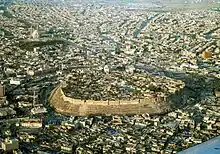
ܬܠܐ ܒܩܠܥܐ ܕܐܪܒܝܠ

ܬܠܐ ܒܒܐܪ ܫܒܥ
From Aramaic תֵּלָא (tellā), from Akkadian 𒇯 (tillu [DU6]); compare Arabic تَلّ (tall) and Hebrew תֵּל (tél).
Pronunciation
- (standard) IPA(key): [tɪl.lɑː]
Noun
ܬܸܠܵܐ • (tillā) m sg (plural ܬܸܠܹ̈ܐ (tillē))
Inflection
| number | isolated forms | with possessive pronouns | |||||
|---|---|---|---|---|---|---|---|
| state | form | person | singular | plural | |||
| m | f | ||||||
| singular | absolute | – | 1st person | ܬܸܠܝܼ (tilī) |
ܬܸܠܲܢ (tillan) | ||
| construct | ܬܸܠ (til) |
2nd person | ܬܸܠܘܼܟ݂ (tilūḵ) |
ܬܸܠܵܟ݂ܝ (tillāḵ) |
ܬܸܠܵܘܟ݂ܘܿܢ (tillāwḵōn) | ||
| emphatic | ܬܸܠܵܐ (tillā) |
3rd person | ܬܸܠܹܗ (tillēh) |
ܬܸܠܵܗ̇ (tillāh) |
ܬܸܠܗܘܿܢ (tilhōn) | ||
| plural | absolute | – | 1st person | ܬܸܠܝܼ̈ (tilī) |
ܬܸܠܲܢ̈ (tillan) | ||
| construct | ܬܸܠܲܝ̈ (tillay) |
2nd person | ܬܸܠܘܼ̈ܟ݂ (tilūḵ) |
ܬܸܠܵܟ݂ܝ̈ (tillāḵ) |
ܬܸܠܵܘ̈ܟ݂ܘܿܢ (tillāwḵōn) | ||
| emphatic | ܬܸܠܹ̈ܐ (tillē) |
3rd person | ܬܸܠܘܼ̈ܗܝ (tilūh) |
ܬܸܠ̈ܘܿܗ̇ (tillōh) |
ܬܸܠܗ̈ܘܿܢ (tilhōn) | ||
Synonyms
- (hill): ܪܘܼܡܬܵܐ (rumtā)
Derived terms
- ܬܸܠ ܐܲܒܝܼܒ (til abīb, “Tel Aviv”)
- ܬܸܠ ܟܹܐܦܹ̈ܐ (til kēpē, “Tel Keppe”)
- ܬܸܠܘܿܠܬܵܐ (tilōltā, “earthwork, embankment”)
- ܬܸܠܘܿܢܝܼܬ݂ܵܐ (tilōnīṯā, “little hill”)
- ܬܸܠܵܐ ܙܩܝܼܦܵܐ (tillā zqīpā, “Tesqopa”)
Pronunciation
- (standard) IPA(key): [tɑːleː]
Verb
ܬܵܠܹܐ • (tālē) (present participle ܬܠܵܝܵܐ (tlāyā), past participle ܬܸܠܝܵܐ (tilyā))
- (transitive) to hang, hang up, suspend
- ܬܠܹܐ ܠܝܼ ܡܘܼܣܵܝܵܐ ܥܲܠ ܚܲܒ݂ܠܵܐ. ― tlē lī mussāyā ˁal ḥaḇlā. ― I hung up the washing on the line.
- ܬܠܹܝܡܘܼܢ ܟܘܿܬܝܼܢܝܵܬ݂ܹ̈ܐ ܥܲܠ ܨܸܢܵܪ̈ܝܵܬ݂ܹܐ. ― tlēmūn kōtīnyāṯē ˁal ṣinnāryāṯē. ― Hang up your coats on the hooks.
- (transitive, law) to hang, execute a person by hanging
- ܩܵܛܘܿܠܹ̈ܐ ܬܸܠܝܹ̈ܐ ܝܗ݇ܘܵܘ ܡ̣ܢ ܒܵܬ݇ܪ ܣܘܼܪ̈ܚܵܢܗܘܿܢ ܣܲܓܝܼܐܹ̈ܐ. ― qāṭōlē tilyē ìwā min bār surḥānhōn sagīˀē. ― The murderes were hanged after their numerous crimes.
- (intransitive) to dangle, to be hung, remain suspended
- ܫܪ̈ܵܓ݂ܵܬ݂ܹܐ ܬܸܠܝܹ̈ܐ ܝܢܵܐ ܡ̣ܢ ܬܲܛܠܝܼܬ݂ܵܐ. ― šrāḡāṯē tilyē ìnā min taṭlīṯā. ― The lights are hanging from the ceiling.
- ܨܘܼܪܬܵܐ ܬܠܝܼܬ݂ܵܐ ܝܠܵܗ̇ ܥܲܠ ܓܘܼܕܵܐ ܒܟ̰ܗܵܪܟ̰ܘܼܒ݂ܵܐ ܫܲܦܝܼܪܵܐ. ― ṣurtā tlīṯā ìlāh ˁal guddā b-čhārčūḇā šapīrā. ― The painting is hung on the wall with a beautiful frame.
- (intransitive) to rely, depend [+ ܥܲܠ (object) = on] or [+ ܒ- (object) = to]
- ܦܘܼܢܵܝܵܐ ܟܹܐ ܬܵܠܹܐ ܥܲܠ ܫܘܼܐܵܠܵܐ. ― punnāyā kē tālē ˁal šūˀālā. ― The answer depends on the question.
- ܠܹܐ ܬܵܠܲܚ ܥܲܠ ܗܸܟ̰ ܚܲܕ݇. ― lē tālaḥ ˁal hič ḥa. ― We don't depend on anyone.
- ܣܲܪܓܘܿܢ ܘܐܲܚܘܼܗܝ ܟܹܐ ܬܵܠܝܼ ܥܲܠ ܐܸܚܕ݂ܵܕ݂ܹܐ. ― sargōn w-aḥūh kē tālī ˁal iḥḏāḏē. ― Sargon and his brother depend on each other.
Conjugation
Conjugation of ܬܵܠܹܐ (tālē)
| singular | plural | ||||||
|---|---|---|---|---|---|---|---|
| 1st person | 2nd person | 3rd person | 1st person | 2nd person | 3rd person | ||
| past | m | ܬܠܹܐ ܠܝܼ (tlē lī) |
ܬܠܹܐ ܠܘܼܟ݂ (tlē lūḵ) |
ܬܠܹܐ ܠܹܗ (tlē lēh) |
ܬܠܹܐ ܠܲܢ (tlē lan) |
ܬܠܹܐ ܠܵܘܟ݂ܘܿܢ (tlē lāwḵōn) |
ܬܠܹܐ ܠܗܘܿܢ (tlē lhōn) |
| f | ܬܠܹܐ ܠܵܟ݂ܝ (tlē lāḵ) |
ܬܠܹܐ ܠܵܗ̇ (tlē lāh) | |||||
| non-past | m | ܬܵܠܹܝܢ (tālēn) |
ܬܵܠܹܝܬ (tālēt) |
ܬܵܠܹܐ (tālē) |
ܬܵܠܲܚ (tālaḥ) |
ܬܵܠܹܝܬܘܿܢ (tālētōn) |
ܬܵܠܝܼ (tālī) |
| f | ܬܵܠܝܵܢ (tālyān) |
ܬܵܠܝܵܬܝ (tālyāt) |
ܬܵܠܝܵܐ (tālyā) | ||||
| imperative | m | ܬܠܝܼ (tlī) |
ܬܠܹܝܡܘܼܢ (tlēmūn) |
||||
| f | ܬܠܹܐ (tlē) | ||||||
Synonyms
- (hang): ܥܲܠܸܩ (ˁalliq), ܡܬܲܠܬܹܐ (mtaltē), ܬܲܢܕܸܠ (tandil)
- (execute): ܫܵܢܹܩ (šānēq), ܡܲܚܢܸܩ (maḥniq)
- (depend): ܗܵܘܹܐ ܫܲܪܛܵܝܵܐ (hāwē šarṭāyā)
Classical Syriac
Alternative forms
- (rare) ܬܐܠܐ
- ܬܠܠܐ
Pronunciation
- IPA(key): [tɛllɑ(ʔ)] (singular)
- IPA(key): [tɛlle(ʔ)] (plural)
Noun
ܬܠܐ • (transliteration needed) m (plural ܬܠܐ)
Inflection
inflection of ܬܠܐ
| state | singular | plural |
|---|---|---|
| absolute | ܬܠ | ܬܠܝܢ |
| construct | ܬܠ | ܬܠܝ |
| emphatic | ܬܠܐ | ܬܠܐ |
| possessive forms | ||
| 1st c. sg. (my) | ܬܠܝ | ܬܠܝ |
| 2nd m. sg. (your) | ܬܠܟ | ܬܠܝܟ |
| 2nd f. sg. (your) | ܬܠܟܝ | ܬܠܝܟܝ |
| 3rd m. sg. (his) | ܬܠܗ | ܬܠܘܗܝ |
| 3rd f. sg. (her) | ܬܠܗ | ܬܠܝܗ |
| 1st c. pl. (our) | ܬܠܢ | ܬܠܝܢ |
| 2nd m. pl. (your) | ܬܠܟܘܢ | ܬܠܝܟܘܢ |
| 2nd f. pl. (your) | ܬܠܟܝܢ | ܬܠܝܟܝܢ |
| 3rd m. pl. (their) | ܬܠܗܘܢ | ܬܠܝܗܘܢ |
| 3rd f. pl. (their) | ܬܠܗܝܢ | ܬܠܝܗܝܢ |
References
- “tl”, in The Comprehensive Aramaic Lexicon Project, Cincinnati: Hebrew Union College, 1986–, retrieved 2012-08-01
- Costaz, Louis (2002) Dictionnaire syriaque-français ∙ Syriac–English Dictionary ∙ قاموس سرياني-عربي, 3rd edition, Beirut: Dar El-Machreq, p. 392a
- Payne Smith, Jessie (1903) A Compendious Syriac Dictionary Founded Upon the Thesaurus Syriacus of R. Payne Smith, D.D., Oxford: Clarendon Press, p. 613a
- Sokoloff, Michael (2009) A Syriac Lexicon: A Translation from the Latin, Correction, Expansion, and Update of C. Brockelmann's Lexicon Syriacum, Winona Lake, Indiana, Piscataway, New Jersey: Eisenbrauns; Gorgias Press, p. 1646b
This article is issued from Wiktionary. The text is licensed under Creative Commons - Attribution - Sharealike. Additional terms may apply for the media files.