乭
| ||||||||
Translingual
Han character
乭 (Kangxi radical 5, 乙+5, 6 strokes, cangjie input 一口弓 (MRN), four-corner 10717, composition ⿱石乙)
Further reading
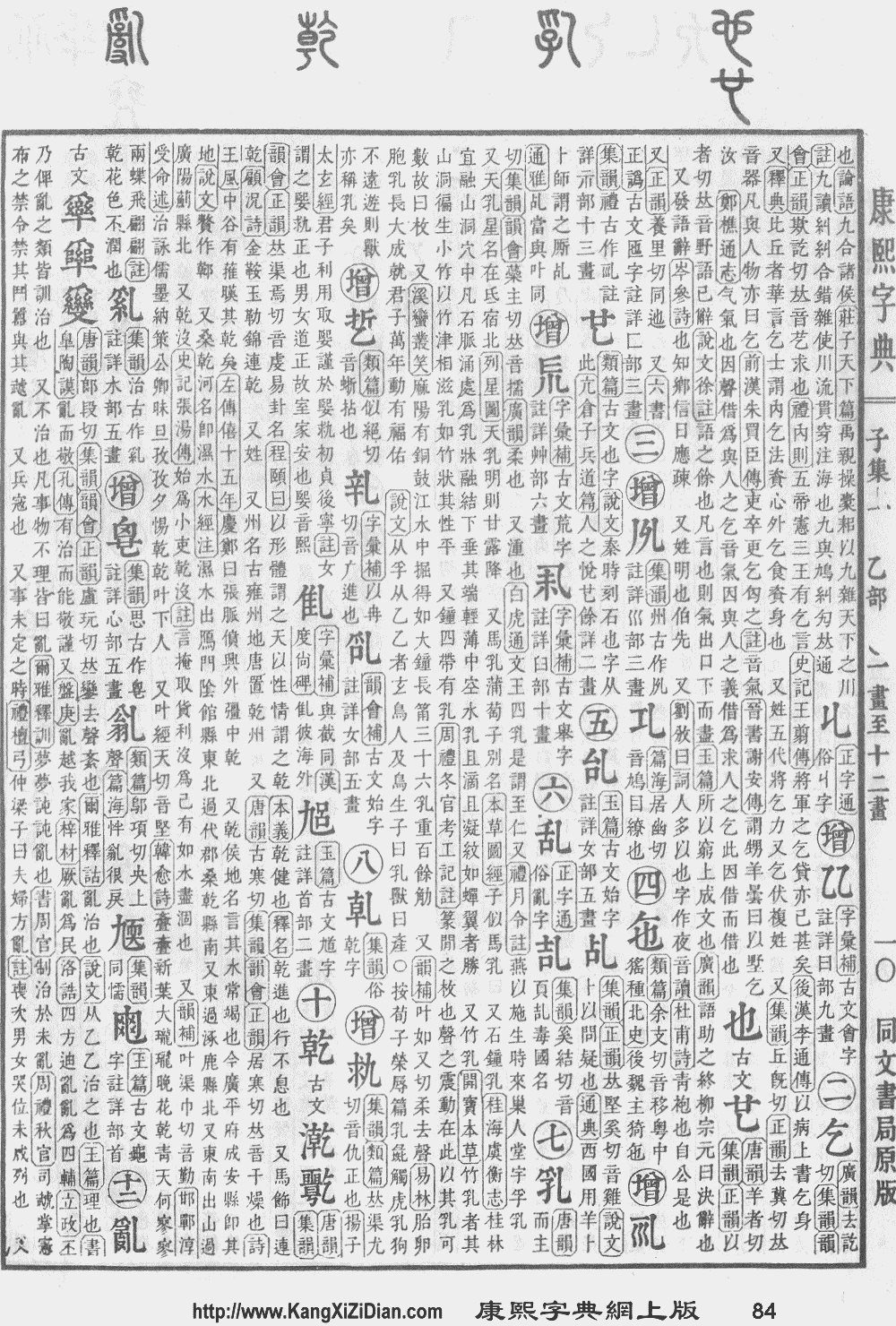
- Kangxi Dictionary: not present, would follow page 84, character 14
- Dae Jaweon: page 171, character 18
- Hanyu Da Zidian (first edition): not present, would follow volume 1, page 53, character 4
- Unihan data for U+4E6D
Chinese
| simp. and trad. |
乭 | |
|---|---|---|
| alternative forms | 石 | |
Etymology
Spelling pronunciation, as 石 (shí).
Pronunciation
Definitions
乭
- Used in Korean names.
- 李世乭 ― Lǐ Shìshí ― Lee Sedol, a professional Go player in South Korea
Korean
Glyph origin
A Korean-coined Han character (국자 (國字, gukja)).
Phono-semantic compound (形聲/形声) : semantic 石 (“stone, semantic reading 돌 (dol)”) + phonetic 乙 (을 (eul), “used as marker to represent the last consonant ㄹ (l)”).
Hanja
Wikisource 乭 (eumhun 음역자 돌 (eumyeokja dol))
- Hanja form? of 돌 (“hanja used for transliteration, mainly used in personal names”).
- 이세돌(李世乭) ― I Sedol ― Lee Sedol, a professional Go player in South Korea
- 신돌석(申乭石) ― Sin Dolseok ― Shin Dol-seok, Korean general
This article is issued from Wiktionary. The text is licensed under Creative Commons - Attribution - Sharealike. Additional terms may apply for the media files.