懐
See also: 懷
| ||||||||
Translingual
| Traditional | 懷 |
|---|---|
| Shinjitai | 懐 |
| Simplified | 怀 |
Han character
懐 (Kangxi radical 61, 心+13, 16 strokes, cangjie input 心卜田女 (PYWV) or 難心卜田女 (XPYWV), four-corner 90032, composition ⿰忄⿳亠罒衣(GHTV) or ⿰忄⿳十罒衣(JK))
References
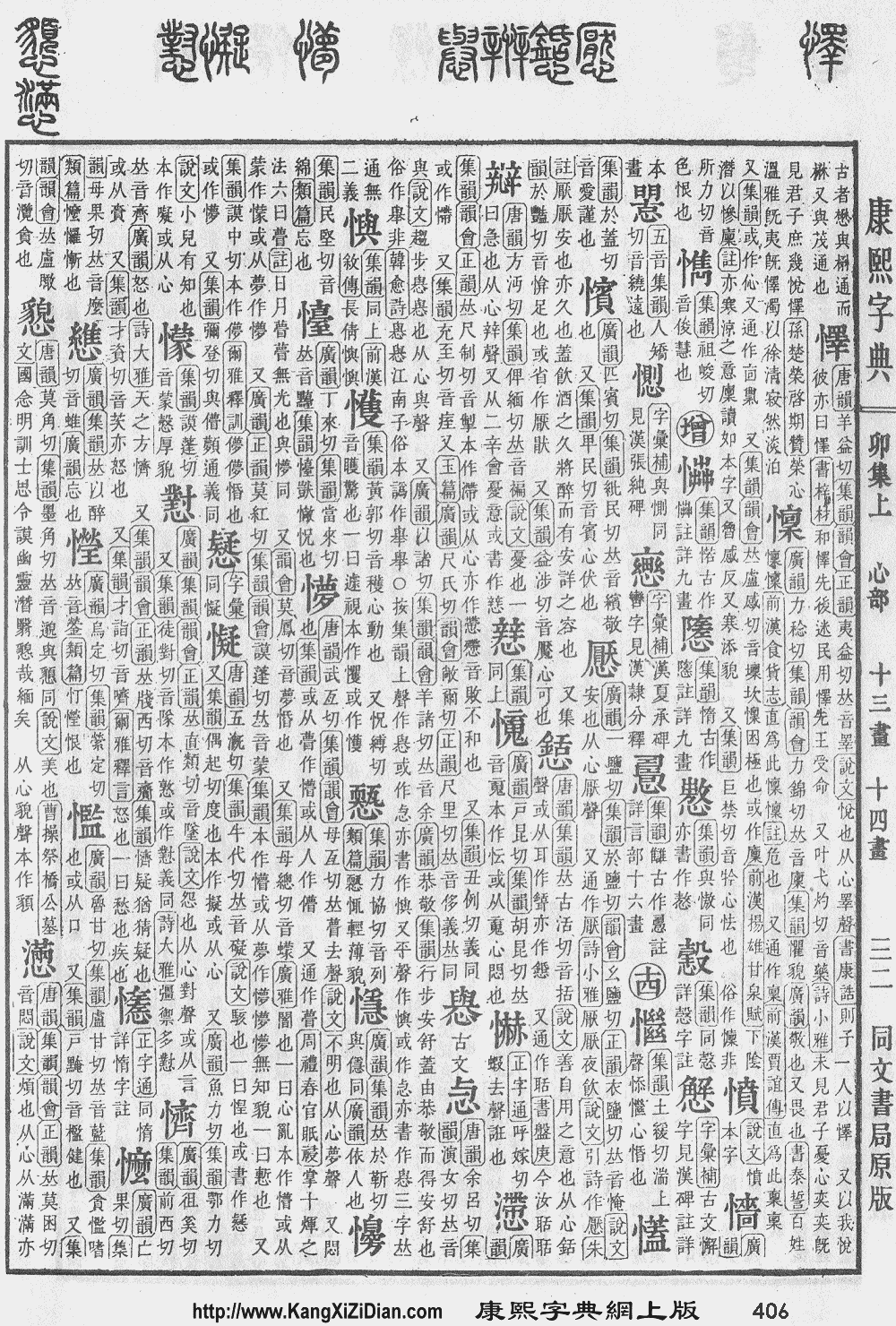
- Kangxi Dictionary: not present, would follow page 406, character 14
- Dai Kanwa Jiten: character 11351
- Dae Jaweon: page 747, character 10
- Hanyu Da Zidian (first edition): volume 4, page 2362, character 10
- Unihan data for U+61D0
Chinese
Japanese
| 懐 | |
| 懷 |
Readings
- Go-on: え (e)←ゑ (we, historical)
- Kan-on: かい (kai, Jōyō)←くわい (kwai, historical)
- Kun: ふところ (futokoro, 懐, Jōyō); ほほ (hoho, 懐); いだく (idaku, 懐く); うだ (uda, 懐); むだく (mudaku, 懐く); なつく (natsuku, 懐く, Jōyō); なずく (nazuku, 懐く); なつけ (natsuke, 懐); なつけ (natsuke, 懐け); なつける (natsukeru, 懐ける, Jōyō); なずける (nazukeru, 懐ける); なつかしい (natsukashii, 懐かしい, Jōyō); なつかしむ (natsukashimu, 懐かしむ, Jōyō); なつこい (natsukoi, 懐こい); おもう (omou, 懐う)
- Nanori: かね (kane)
Etymology 1
| Kanji in this term |
|---|
| 懐 |
| ふところ Grade: S |
| kun’yomi |
| Alternative spelling |
|---|
| 懷 (kyūjitai) |
From Old Japanese. First cited to the Nihon Shoki of 720.[1]
Ultimate derivation unknown. May be alteration of Old Japanese putukuro or putukuru.
Noun
懐 • (futokoro)
- [from 720] a breast pocket, particularly the pocket-like space within the front of a kimono above the obi
- Synonym: (also refers to the contents) 懐中 (kaichū)
- [from early 1000s] a surrounded place, such as deep in the mountains
- [from late 1600s] (figurative) the bosom, the breast
- [from late 1600s] one's mind
- [from late 1800s] one's purse
Etymology 2
| Kanji in this term |
|---|
| 懐 |
| ほほ Grade: S |
| kun’yomi |
| Alternative spelling |
|---|
| 懷 (kyūjitai) |
Unknown. Speculatively, might be cognate with 頬 (hoho, “cheek(s)”), from the idea of an expandable pouch-like area.
First cited to a text from the 1620s.[1]
Pronunciation
- IPA(key): [ho̞ho̞]
Noun
懐 • (hoho)
References
- “懐”, in 日本国語大辞典 (Nihon Kokugo Daijiten, “Nihon Kokugo Daijiten”) (in Japanese), concise edition, Tōkyō: Shogakukan, 2000
- Matsumura, Akira, editor (2006), 大辞林 [Daijirin] (in Japanese), Third edition, Tōkyō: Sanseidō, →ISBN
Old Japanese
Etymology
Derivation unknown. May be alteration of Old Japanese putukuro or putukuru.
Traditionally cited with this reading in the Nihon Shoki of 720.[1]
Noun
懐 (putukuro2) (kana ふつくろ)
- the bosom, the breast
- a breast pocket, particularly the pocket-like space within the front of a kimono above the obi
- 794, Shin'yaku Kegonkyō Ongi Shiki, page 92:
- 心懐残忍 残謂多所殺戮也 今謂忍於殺戮 故云残忍也 心懐合云也 又下布都久呂 残害也 [...]
- (please add an English translation of this quotation)
- a surrounded place, such as deep in the mountains
- one's purse
- one's mind
References
- “懐”, in 日本国語大辞典 (Nihon Kokugo Daijiten, “Nihon Kokugo Daijiten”) (in Japanese), concise edition, Tōkyō: Shogakukan, 2000
- Unknown (794) Yoshinori Kobayashi, editor, Shin'yaku Kegonkyō Ongi Shiki (Kojisho Ongi Shūsei) (in Japanese), volume 1, Kyūko Shoin, published 1978, →ISBN.
This article is issued from Wiktionary. The text is licensed under Creative Commons - Attribution - Sharealike. Additional terms may apply for the media files.