鵰
| ||||||||
Translingual
Han character
鵰 (Kangxi radical 196, 鳥+8, 19 strokes, cangjie input 月口竹日火 (BRHAF), four-corner 77227, composition ⿰周鳥)
References
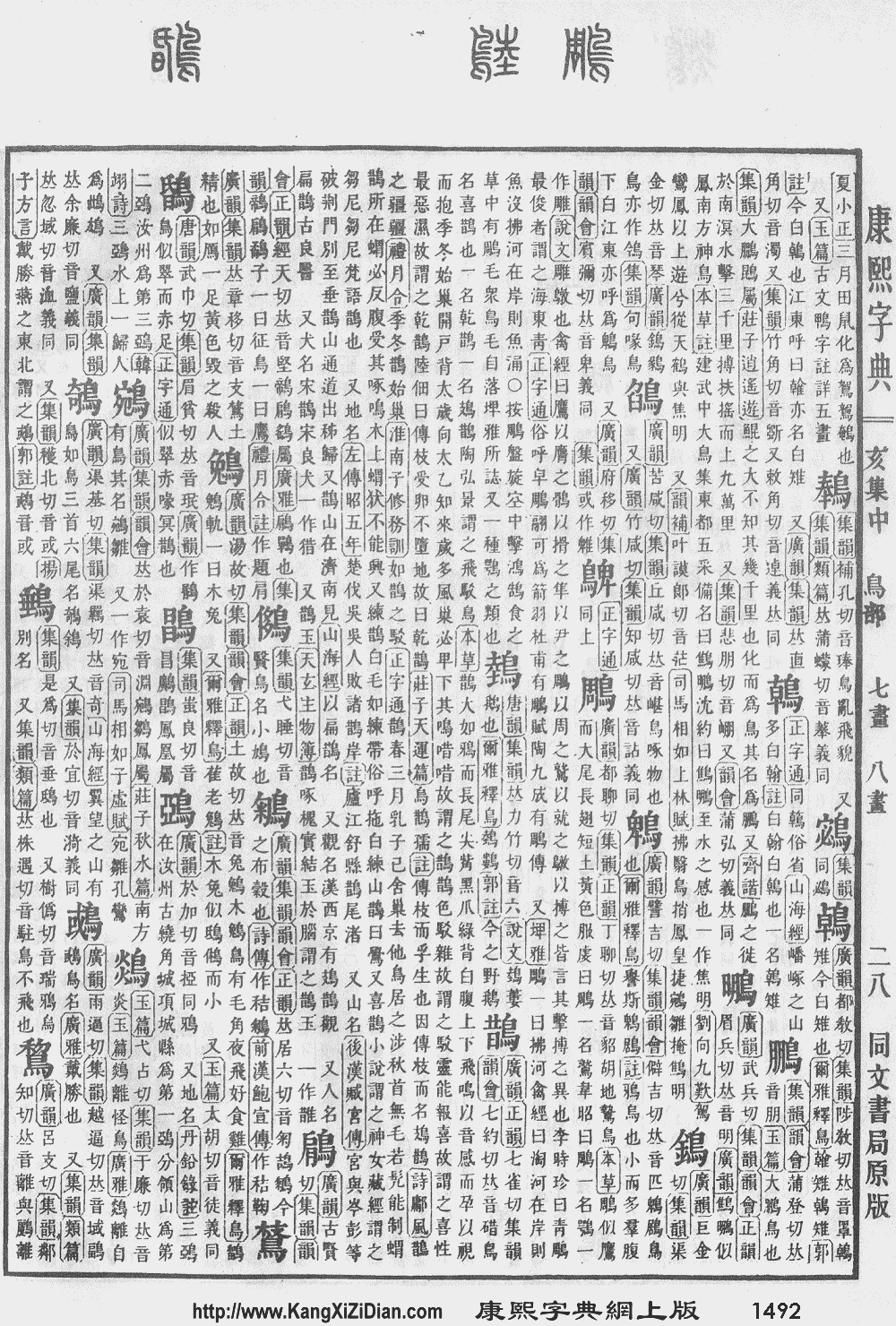
- Kangxi Dictionary: page 1492, character 11
- Dai Kanwa Jiten: character 47012
- Dae Jaweon: page 2022, character 20
- Hanyu Da Zidian (first edition): volume 7, page 4642, character 1
- Unihan data for U+9D70
Chinese
| trad. | 鵰/雕* | |
|---|---|---|
| simp. | 雕* | |
| 2nd round simp. | ⿰刁鸟 | |
| nonstandard simp. | 𫛲 | |
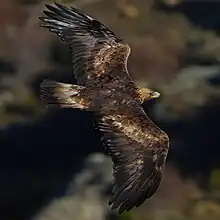
鵰/雕
Etymology
From Proto-Sino-Tibetan *daw (“bird”); cognate with 鳥 (OC *tɯːwʔ) (STEDT).
Pronunciation
Descendants
References
- “鵰”, in 漢語多功能字庫 (Multi-function Chinese Character Database), 香港中文大學 (the Chinese University of Hong Kong), 2014–
Japanese
Readings
References
- Matsumura, Akira, editor (2006), 大辞林 [Daijirin] (in Japanese), Third edition, Tōkyō: Sanseidō, →ISBN
Korean
Etymology
(This etymology is missing or incomplete. Please add to it, or discuss it at the Etymology scriptorium. Particularly: “Middle Korean readings, if any”)
Pronunciation
- (SK Standard/Seoul) IPA(key): [t͡ɕo̞]
- Phonetic hangul: [조]
This article is issued from Wiktionary. The text is licensed under Creative Commons - Attribution - Sharealike. Additional terms may apply for the media files.