dievs
See also: Dievs
Latvian
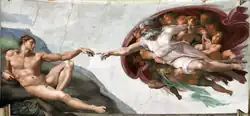
Dievs (1)
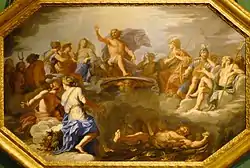
Seno grieķu dievi (2)
Etymology
From Proto-Balto-Slavic *deiwas, from Proto-Indo-European *deywós. The original meaning was probably “light,” from which “sky” (via “bright one”, “shining one”) (a meaning still found in Proto-Finnic *taivas), whence also “god”.[1]
Pronunciation
- IPA(key): [dìɛws]
| (file) |
Noun
dievs m (1st declension, feminine form: dieviete or dieve)
- (theology, Christianity, often capitalized) god (supernatural being that created the world)
- lūgt dievu ― to pray to god
- ticēt dievam ― to believe in god
- dieva kalps ― servant of god (i.e., a preacher)
- dieva tiesa ― god's judgment
- dievs (pa)sargi! pasargi dievs! lai dievs (pa)sarga! ― god forbid!
- mīļais dievs! mans dievs! ― dear god! my god!
- reliģijai raksturīgs uzskats, ka pasauli radījis dievs ― (it) is a characteristic belief of religion that god created the world
- dieva valstība ― kingdom of god (literally "state of god"; karaliste, the word for kingdom, is not used in the Latvian Bible)
- (mythology) god (powerful supernatural being that demands worship)
- seno grieķu dievi ― ancient Greek gods
- romiešu dievi ― Roman gods
- pagāniskie dievi ― pagan gods
- kara dievs ― the god of war
Declension
Declension of dievs (1st declension)
Derived terms
References
- Karulis, Konstantīns (1992) “dievs”, in Latviešu Etimoloģijas Vārdnīca (in Latvian), Rīga: AVOTS, →ISBN
This article is issued from Wiktionary. The text is licensed under Creative Commons - Attribution - Sharealike. Additional terms may apply for the media files.