glāze
Latvian
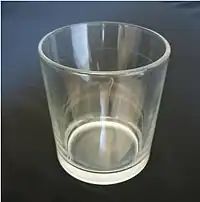
Glāze
Etymology
Borrowed from Middle Dutch glas or Middle Low German glas (“glass (material; container)”). The Germanic term probably meant originally “amber” (a meaning still attested in Old High German), and only later “glass.” The borrowing is first mentioned in 17th-century Latvian dictionaries (though the family name Glāznieks is already attested in Kurzeme in the 16th century). Up until the 19th century, glāze meant both the material and the container; by the late 19th century on, these two meanings had already been split between glāze and stikls.[1]
Pronunciation
- IPA(key): [ɡlāːzɛ]
| (file) |
Noun
glāze f (5th declension)
- glass (small, usually cylindrical container for liquids, from which one drinks)
- vīna, alus glāze ― wine, beer glass
- kristāla glāzes ― crystal glasses
- krāsaina stikla glāzes ― glasses (made) of colored glass
- ieliet limonādi glāzēs ― to pour lemonade in the glasses
- tēvs paņem vīna pudeli un piepilda glāzes ― father takes the wine bottle and fills the glasses
- glass (the container with its contents; its contents)
- “jūs esat lielisks runātājs, biedri Saleniek”, teica Ozols, pasniegdams ūdens glāzi ― “you are a great speaker, comrade Saleniek,” Ozols said, handing him a glass of water
- apsēdies, izdzer glāzi piena ― sit down, drink a glass of milk
- saputotām olām pievienot glāzi piena ― to add a glass of milk to the whipped eggs
- divām glāzēm ogu pievienot divas glāzes cukura ― to add two glasses of sugar to two glasses of berries
- (dated sense, syn. stikls) glass (material)
- zilas glāžu sienas ― blue glass walls
- palielināmā, (pa)vairojamā glāze ― magnifying glass
Declension
Declension of glāze (5th declension)
Synonyms
- (of material): stikls
References
- Karulis, Konstantīns (1992) “glāze”, in Latviešu Etimoloģijas Vārdnīca (in Latvian), Rīga: AVOTS, →ISBN
This article is issued from Wiktionary. The text is licensed under Creative Commons - Attribution - Sharealike. Additional terms may apply for the media files.