jumts
Latgalian
Etymology
From Proto-Balto-Slavic *jumtas. Cognates include Latvian jumts.
Pronunciation
- IPA(key): [ˈjumt͡s]
- Hyphenation: jumts
Declension
References
- M. Bukšs, J. Placinskis (1973) Latgaļu volūdas gramatika un pareizraksteibas vōrdneica, Latgaļu izdevnīceiba, page 366
Latvian
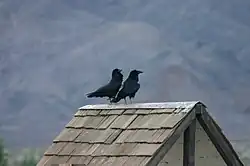
Jumts
Etymology
Originally the past participle of the verb jumt (“to cover a roof; to thatch”), from Proto-Baltic *jumt, from Proto-Indo-European *yew-, *yū- (“to bind, to tie”), with an extra m. Primitive houses were covered by tied, interwoven sticks on which rested a mud covering. Cognates include Proto-Slavic *jǫtъ (“roof”) (cf. Russian прию́т (prijút, “shelter, retreat”)).[1]
Pronunciation
- IPA(key): [jùmts]
(file)
Noun
jumts m (1st declension)
- roof (structure that covers the top of a building; the covering that sits on it)
- skārda jumts ― tin roof
- šīfera jumts ― slate roof
- ruberoīda jumts ― bituminous felt roof
- kārniņu jumts ― tiled roof
- niedru jumts ― thatched roof
- slīps jumts ― sloping roof
- jumta skārds ― roofing sheets
- jumta pape ― roofing felt
- jumta naglas ― roofing nails
- jumta plakne ― the roof plane
- salabot jumtu ― to repair, fix the roof
- jumta istaba, jumtistaba ― penthouse (lit. roof room)
- roof (structure that covers the top of a vehicle and shelters it from the external weather)
- automobiļa jumts ― automobile, car roof
- trolejbusa jumts ― trolley roof
- vagona jumts ― (train) car roof
Declension
Declension of jumts (1st declension)
References
- Karulis, Konstantīns (1992) “jumts”, in Latviešu Etimoloģijas Vārdnīca (in Latvian), Rīga: AVOTS, →ISBN
This article is issued from Wiktionary. The text is licensed under Creative Commons - Attribution - Sharealike. Additional terms may apply for the media files.