lūpa
Latvian
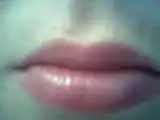
Lūpas
Etymology
From the same stem as the verbs lupt (“to peel, to come off”), lupināt (“to peel (tr.)”): Proto-Baltic *lūp-, *lup-, from Proto-Indo-European *lewp-, *lūp-, *lup- (“to pare, to peel, to break off”). The meaning evolved from “peeled off; puckered” to “puckered lips” and then simly “lips.” Cognates include Lithuanian lū́pa, Middle High German lubbe (“thick, puckered lip(s)”).[1]
Pronunciation
- IPA(key): [lūːpa]
| (file) |
Noun
lūpa f (4th declension)
- (anatomy) lip
- pilnīgas, plānas lūpas ― full, thin lips
- augšējā lūpa ― the upper lip
- apakšējā lūpa ― the lower lip
- lūpu krāsa, lūpu pomāde ― lipstick
- ar smaidu uz lūpām ― with a smile on the lips
- iekost lūpā ― to bite one's lips
- kaunuma lūpas ― labia (lit. genital lips)
- zaķa lūpa ― harelip (congenital malformation)
Declension
Declension of lūpa (4th declension)
See also
References
- Karulis, Konstantīns (1992) “lūpa”, in Latviešu Etimoloģijas Vārdnīca (in Latvian), Rīga: AVOTS, →ISBN
Lithuanian
Declension
Declension of lū́pa
| singular (vienaskaita) | plural (daugiskaita) | |
|---|---|---|
| nominative (vardininkas) | lū́pa | lū́pos |
| genitive (kilmininkas) | lū́pos | lū́pų |
| dative (naudininkas) | lū́pai | lū́poms |
| accusative (galininkas) | lū́pą | lū́pas |
| instrumental (įnagininkas) | lū́pa | lū́pomis |
| locative (vietininkas) | lū́poje | lū́pose |
| vocative (šauksmininkas) | lū́pa | lū́pos |
See also
This article is issued from Wiktionary. The text is licensed under Creative Commons - Attribution - Sharealike. Additional terms may apply for the media files.