pres
English
Pronunciation
- IPA(key): /pɹɛz/
- Rhymes: -ɛz
Pronunciation
- IPA(key): /pɹiːz/
- Rhymes: -iːz
See also
Albanian
Alternative forms
- prej, prëj (Gheg)
Etymology 1
From Proto-Albanian *p(e)retja, from Proto-Indo-European *per- (“to strike, beat”) (compare Ancient Greek πρίω (príō, “to saw”), Lithuanian per̃ti (“to flog, beat with besom”), Avestan 𐬞𐬆𐬭𐬆𐬝 (pərət̰, “strife”)).[1]
Verb
pres (aorist preva, participle prerë) (active voice form of mediopassive prehem (“to be cutting, laying down; to rest”))
Conjugation
Show compound tenses:
| participle | prërë (³preh) | ||||||
|---|---|---|---|---|---|---|---|
| gerund | duke prërë (³preh) | ||||||
| infinitive | për të prërë (³preh) | ||||||
| singular | plural | ||||||
| 1st pers. | 2nd pers. | 3rd pers. | 1st pers. | 2nd pers. | 3rd pers. | ||
| indicative | present | pres (³prej, ³prëj) | pret (³pren) | pret (³pren) | presim (³prejm) | prisni (³preni) | presin (³prejnë) |
| imperfect | prisja | prisje | priste | prisnim | prisnit | prisnin | |
| aorist | preva | preve | preu | premë | pretë | prentë | |
| perfect | kam prërë (³preh) | ke prërë (³preh) | ka prërë (³preh) | kemi prërë (³preh) | keni prërë (³preh) | kanë prërë (³preh) | |
| past perfect | kisha prërë (³preh) | kishe prërë (³preh) | kishte prërë (³preh) | kishim prërë (³preh) | kishit prërë (³preh) | kishin prërë (³preh) | |
| aorist II | pata prërë (³preh) | pate prërë (³preh) | pati prërë (³preh) | patëm prërë (³preh) | patët prërë (³preh) | patën prërë (³preh) | |
| future1 | do të pres | do të presësh | do të presë | do të presim (³prejm) | do të prisni (³preni) | do të presin (³prejnë) | |
| future perfect2 | do të kem prërë (³preh) | do të kesh prërë (³preh) | do të ketë prërë (³preh) | do të kemi prërë (³preh) | do të keni prërë (³preh) | do të kenë prërë (³preh) | |
| subjunctive | present | të pres | të presësh | të presë | të presim (³prejm) | të prisni (³preni) | të presin (³prejnë) |
| imperfect | të prisja | të prisje | të priste | të prisnim | të prisnit | të prisnin | |
| perfect | të kem prërë (³preh) | të kesh prërë (³preh) | të ketë prërë (³preh) | të kemi prërë (³preh) | të keni prërë (³preh) | të kenë prërë (³preh) | |
| past perfect | të kisha prërë (³preh) | të kishe prërë (³preh) | të kishte prërë (³preh) | të kishim prërë (³preh) | të kishit prërë (³preh) | të kishin prërë (³preh) | |
| conditional1, 2 | imperfect | do të prisja | do të prisje | do të priste | do të prisnim | do të prisnit | do të prisnin |
| past perfect | do të kisha prërë (³preh) | do të kishe prërë (³preh) | do të kishte prërë (³preh) | do të kishim prërë (³preh) | do të kishit prërë (³preh) | do të kishin prërë (³preh) | |
| optative | present | prefsha | prefsh | preftë | prefshim | prefshi | prefshin |
| perfect | paça prërë (³preh) | paç prërë (³preh) | pastë prërë (³preh) | paçim prërë (³preh) | paçit prërë (³preh) | paçin prërë (³preh) | |
| admirative | present | prekam | preke | preka | prekemi | prekeni | prekan |
| imperfect | prekësha | prekëshe | prëkësh, prekej | prekëshim | prekëshit | prekëshin | |
| perfect | paskam prërë (³preh) | paske prërë (³preh) | paska prërë (³preh) | paskemi prërë (³preh) | paskeni prërë (³preh) | paskan prërë (³preh) | |
| past perfect | paskësha prërë (³preh) | paskëshe prërë (³preh) | paskësh prërë (³preh) | paskëshim prërë (³preh) | paskëshit prërë (³preh) | paskëshin prërë (³preh) | |
| imperative | present | — | prit (³preh) | — | — | pritini (³preni, ³prëni, ³prehni) | — |
| 1) indicative future identical with conditional present 2) indicative future perfect identical with conditional perfect | |||||||
Derived terms
Etymology 2
From Proto-Albanian *pratja, from Proto-Indo-European *prot- (compare Dutch vroed (“wise, clever”), Lithuanian pràsti (“to understand”)).[2]
Verb
pres (aorist prita, participle pritur) (active voice form of mediopassive pritem (“to be expected”))
Conjugation
Show compound tenses:
| participle | pritur | ||||||
|---|---|---|---|---|---|---|---|
| gerund | duke pritur | ||||||
| infinitive | për të pritur | ||||||
| singular | plural | ||||||
| 1st pers. | 2nd pers. | 3rd pers. | 1st pers. | 2nd pers. | 3rd pers. | ||
| indicative | present | pres | pret | pret | presim | prisni | presin |
| imperfect | prisja | prisje | priste | prisnim | prisnit | prisnin | |
| aorist | prita | prite | priti | prtitëm | pritët | pritën | |
| perfect | kam pritur | ke pritur | ka pritur | kemi pritur | keni pritur | kanë pritur | |
| past perfect | kisha pritur | kishe pritur | kishte pritur | kishim pritur | kishit pritur | kishin pritur | |
| aorist II | pata pritur | pate pritur | pati pritur | patëm pritur | patët pritur | patën pritur | |
| future1 | do të pres | do të presësh | do të presë | do të presim | do të prisni | do të presin | |
| future perfect2 | do të kem pritur | do të kesh pritur | do të ketë pritur | do të kemi pritur | do të keni pritur | do të kenë pritur | |
| subjunctive | present | të pres | të presësh | të presë | të presim | të prisni | të presin |
| imperfect | të prisja | të prisje | të priste | të prisnim | të prisnit | të prisnin | |
| perfect | të kem pritur | të kesh pritur | të ketë pritur | të kemi pritur | të keni pritur | të kenë pritur | |
| past perfect | të kisha pritur | të kishe pritur | të kishte pritur | të kishim pritur | të kishit pritur | të kishin pritur | |
| conditional1, 2 | imperfect | do të prisja | do të prisje | do të priste | do të prisnim | do të prisnit | do të prisnin |
| past perfect | do të kisha pritur | do të kishe pritur | do të kishte pritur | do të kishim pritur | do të kishit pritur | do të kishin pritur | |
| optative | present | pritsha | pritsh | priftë | pritshim | pritshi | pritshin |
| perfect | paça pritur | paç pritur | pastë pritur | paçim pritur | paçit pritur | paçin pritur | |
| admirative | present | pritkam | pritke | pritka | prikemi | pritkeni | pritkan |
| imperfect | pritkësha | pritkëshe | pritkësh (pritkëj) | prikëshim | pritkëshit | pritkëshin | |
| perfect | paskam pritur | paske pritur | paska pritur | paskemi pritur | paskeni pritur | paskan pritur | |
| past perfect | paskësha pritur | paskëshe pritur | paskësh pritur | paskëshim pritur | paskëshit pritur | paskëshin pritur | |
| imperative | present | — | prit | — | — | pritni | — |
| 1) indicative future identical with conditional present 2) indicative future perfect identical with conditional perfect | |||||||
- [¹]: indicative future forms identical to conditional present
- [²]: indicative future perfect forms identical to conditional perfect
Derived terms
Related terms
- pritem
References
- Orel, Vladimir E. (1998) “pres”, in Albanian Etymological Dictionary, Leiden, Boston, Köln: Brill, →ISBN, page 343
- Orel, Vladimir E. (1998) “pres”, in Albanian Etymological Dictionary, Leiden, Boston, Köln: Brill, →ISBN, pages 343-344
Catalan
Pronunciation
Participle
pres (feminine presa, masculine plural presos, feminine plural preses)
- past participle of prendre
Related terms
References
- “pres” in Diccionari de la llengua catalana, segona edició, Institut d’Estudis Catalans.
- “pres” in Diccionari català-valencià-balear, Antoni Maria Alcover and Francesc de Borja Moll, 1962.
Czech
Pronunciation
- IPA(key): [ˈprɛs]
Declension
Related terms
Old French
Serbo-Croatian
Pronunciation
- IPA(key): /prês/
Spanish
Alternative forms
Welsh
Etymology 1
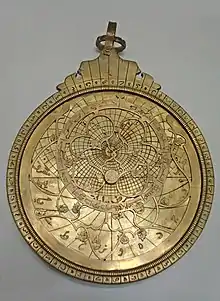
Borrowed from Old English bræs.
Pronunciation
- IPA(key): /preːs/
- Rhymes: -eːs
Noun
pres m (uncountable)
Adjective
Derived terms
- adran bres (“brass section”)
- band pres (“brass band”)
- gem pres gloyw (“burnished brass, Diachrysia chrysitis”)
- gem pres main (“slender burnished brass, Thysanoplusia orichalcea”)
- gem pres prin (“rare burnished brass, Diachrysia chryson”)
- hirgorn pres (“brassy longhorn, Nemophora metallica”)
- offeryn pres (“brass instrument”)
- rhwbiad pres (“brass rubbing”)
Etymology 2
From Middle Welsh pres, from Proto-Brythonic *pres, from Latin pressus.
Alternative forms
Pronunciation
- IPA(key): /prɛs/
- Rhymes: -ɛs
Mutation
| Welsh mutation | |||
|---|---|---|---|
| radical | soft | nasal | aspirate |
| pres | bres | mhres | phres |
| Note: Some of these forms may be hypothetical. Not every possible mutated form of every word actually occurs. | |||
Further reading
- R. J. Thomas, G. A. Bevan, P. J. Donovan, A. Hawke et al., editors (1950–present), “pres”, in Geiriadur Prifysgol Cymru Online (in Welsh), University of Wales Centre for Advanced Welsh & Celtic Studies