斎
| ||||||||
Translingual
| Traditional | 齋 |
|---|---|
| Shinjitai | 斎 |
| Simplified | 斋 |
Glyph origin
Unorthodox variant of 齋.
Han character
斎 (Kangxi radical 67, 文+7, 11 strokes, cangjie input 卜大中一中 (YKLML), composition ⿵齐示 or ⿵斉小)
References
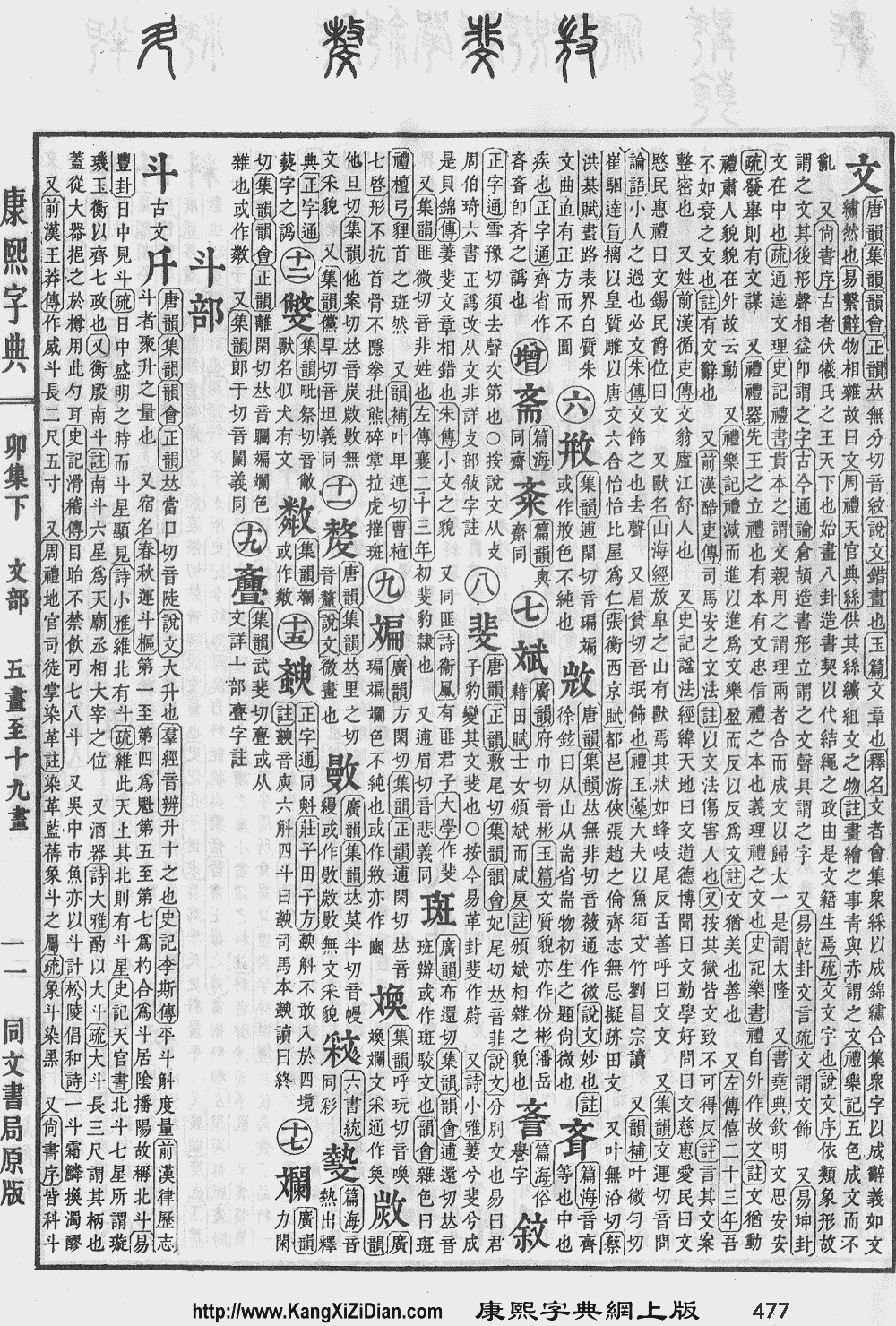
- Kangxi Dictionary: not present, would follow page 477, character 9
- Dai Kanwa Jiten: character 13467
- Dae Jaweon: page 835, character 8
- Hanyu Da Zidian (first edition): not present, would follow volume 3, page 2170, character 11
- Unihan data for U+658E
Chinese
| For pronunciation and definitions of 斎 – see 齋 (“to show one's piety before offering sacrifices and other ceremonies in ancient times, by abstaining from meat and alcohol, bathing oneself and clearing one's mind of distracting thoughts; etc.”). (This character is an obsolete form of 齋). |
Japanese
| 斎 | |
| 齋 |
Readings
- Go-on: せい (sei); せ (se)
- Kan-on: さい (sai, Jōyō)
- Kun: いつき (itsuki, 斎); いつく (itsuku, 斎く); いみ (imi, 斎); いみ (imi, 斎み); いむ (imu, 斎む); いもい (imoi, 斎)←いもひ (imofi, 斎, historical); いわい (iwai, 斎)←いはひ (ifafi, 斎, historical); いわう (iwau, 斎う); つつしむ (tsutsushimu, 斎む); とき (toki, 斎); ものいみ (monoimi, 斎)
- Nanori: いつ (itsu); きよ (kiyo); ただ (tada); ひとし (hitoshi); よし (yoshi)
Compounds
Etymology 1
| Kanji in this term |
|---|
| 斎 |
| さい Grade: S |
| kan’on |
| Alternative spelling |
|---|
| 齋 (kyūjitai) |
From Middle Chinese 齋 (MC tsreaj).
Noun
斎 • (sai)
- (Buddhism) This term needs a translation to English. Please help out and add a translation, then remove the text
{{rfdef}}.
Suffix
斎 • (-sai)
- This term needs a translation to English. Please help out and add a translation, then remove the text
{{rfdef}}.
Noun
斎 • (toki)
Derived terms
- お斎, 御斎 (otoki)
- 斎日 (tokibi)
Etymology 3
| Kanji in this term |
|---|
| 斎 |
| いつき Grade: S |
| kun’yomi |
| Alternative spellings |
|---|
| 齋 (kyūjitai) 傅 寵 |
From Old Japanese.
Nominalization of the 連用形 (ren'yōkei, “stem or continuative form”) of verb 斎く (itsuku, “to worship”).
Noun
斎 • (itsuki)
- (Shinto) sacred ground
- 720, Nihon Shoki, poem 60:
- 破夜歩佐波阿梅珥能朋利等弭箇既梨伊莵岐餓宇倍能娑奘岐等羅佐泥 [Man'yōgana]
- 隼は天にのぼり飛びかけりいつきが上の鷦鷯とらさね [Modern spelling]
- hayabusa wa ame ni nobori tobikakeri itsuki ga ue no sazaki torasane
- (please add an English translation of this example)
- (Shinto) Short for 斎皇女 (itsuki no miko): This term needs a translation to English. Please help out and add a translation, then remove the text
{{rfdef}}.
Derived terms
- 斎子 (itsukiko)
- 斎皇女, 斎王 (itsuki no miko)
- 斎宮 (itsuki no miya)
- 斎女 (itsukime)
Etymology 4
| Kanji in this term |
|---|
| 斎 |
| い Grade: S |
| irregular |
| Alternative spelling |
|---|
| 齋 (kyūjitai) |
From Old Japanese. Possibly a doublet of 斎 (yu) below.[2]
Prefix
斎 • (i-)
Etymology 5
| Kanji in this term |
|---|
| 斎 |
| ゆ Grade: S |
| irregular |
| Alternative spelling |
|---|
| 齋 (kyūjitai) |
From Old Japanese. Possibly a doublet of 斎 (i) above.[2]
Derived terms
- 齋つ (yutsu)
- 斎庭 (yuniwa)
- 齋う (yumau)
- 齋わる (yumawaru)
Noun
斎 • (imi)
- Alternative spelling of 忌み (imi): This term needs a translation to English. Please help out and add a translation, then remove the text
{{rfdef}}.
Derived terms
- 斎斧 (imiono)
- 斎子 (imiko)
- 斎宮 (imimiya)
Etymology 7
| Kanji in this term |
|---|
| 斎 |
| いむ Grade: S |
| kun’yomi |
| Alternative spelling |
|---|
| 齋 (kyūjitai) |
Shift from imi above.[1]
Derived terms
- 斎斧 (imuono)
- 斎子 (imuko), 斎子 (inko)
Noun
- Alternative spelling of 祝い: This term needs a translation to English. Please help out and add a translation, then remove the text
{{rfdef}}.
Derived terms
- 斎斧 (iwaiono)
- 斎宮 (iwai no miya)
- 斎主 (iwainushi)
Etymology 9
| Kanji in this term |
|---|
| 斎 |
| ひとし Grade: S |
| nanori |
| Alternative spelling |
|---|
| 齋 (kyūjitai) |
Nominalization of classical adjective 等し (hitoshi), modern 等しい (hitoshii, “equal, same”).
References
- Matsumura, Akira, editor (2006), 大辞林 [Daijirin] (in Japanese), Third edition, Tōkyō: Sanseidō, →ISBN
- Vovin, Alexander (2020) A Descriptive and Comparative Grammar of Western Old Japanese (2 vols), →ISBN, page 53, →ISBN
This article is issued from Wiktionary. The text is licensed under Creative Commons - Attribution - Sharealike. Additional terms may apply for the media files.