槓
See also: 杠
| ||||||||
Translingual
Han character
槓 (Kangxi radical 75, 木+10, 14 strokes, cangjie input 木一月金 (DMBC), four-corner 41986, composition ⿰木貢)
References
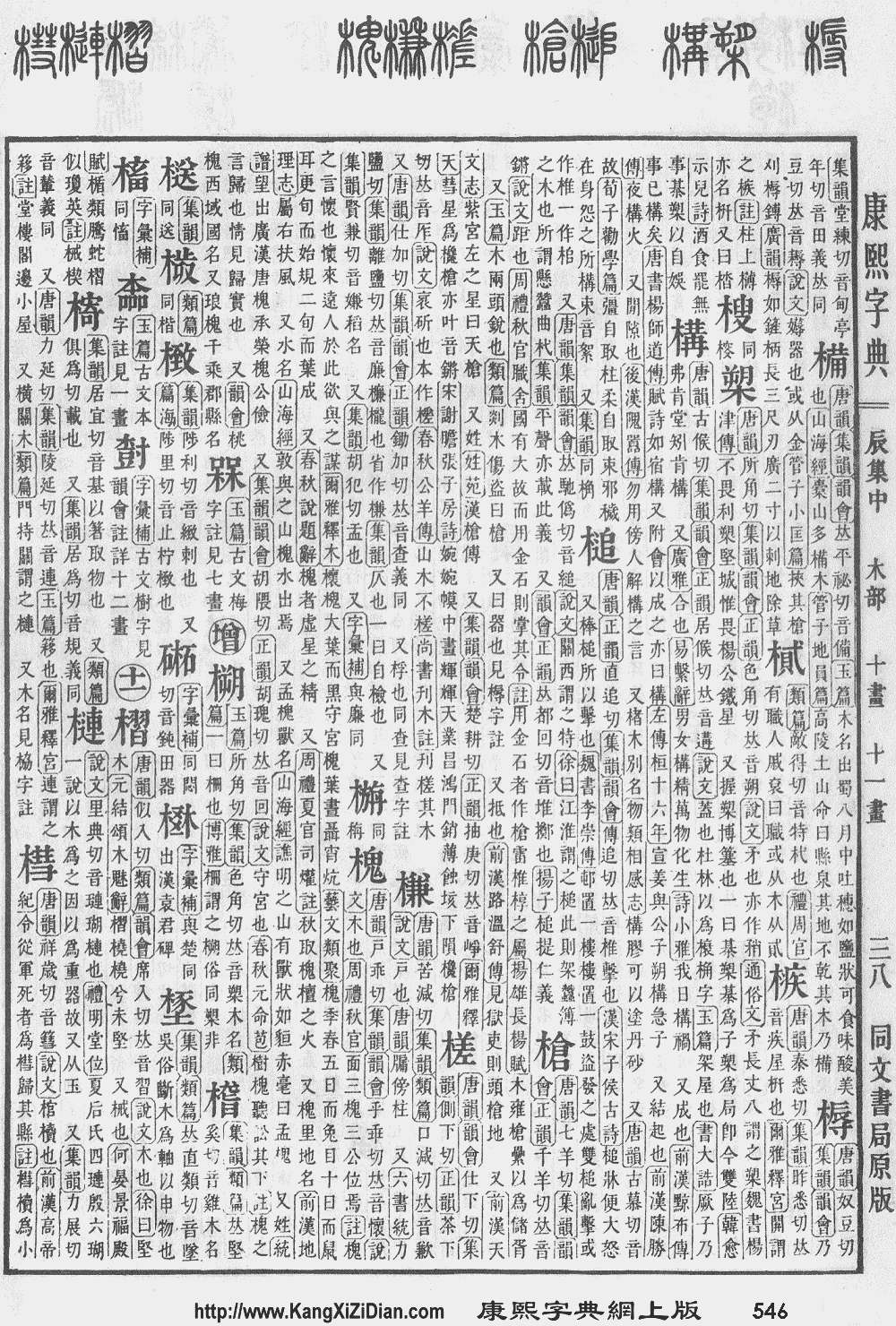
- Kangxi Dictionary: not present, would follow page 546, character 25
- Dai Kanwa Jiten: character 15343
- Dae Jaweon: page 934, character 15
- Hanyu Da Zidian (first edition): volume 2, page 1260, character 4
- Unihan data for U+69D3
Chinese
Glyph origin
Phono-semantic compound (形聲/形声) : semantic 木 (“tree”) + phonetic 貢 (OC *koːŋs).
Pronunciation
Definitions
槓
Usage notes
- When playing mahjong, this word is said as a call when declaring a kong.
Compounds
- 保險槓/保险杠 (bǎoxiǎngàng)
- 倔槓頭/倔杠头
- 單槓/单杠 (dāngàng)
- 大抬其槓/大抬其杠
- 大槓/大杠
- 抬槓/抬杠 (táigàng)
- 插槓子/插杠子 (chā gàngzi)
- 搶槓/抢杠 (qiǎnggàng)
- 撬槓/撬杠 (qiàogàng)
- 攀槓子/攀杠子
- 敲竹槓/敲竹杠 (qiāo zhúgàng)
- 明槓/明杠 (mínggàng)
- 暗槓/暗杠 (àngàng)
- 槓上了/杠上了 (gàngshàngle)
- 槓上開花/杠上开花 (gàngshàng kāihuā)
- 槓刀/杠刀
- 槓刀布/杠刀布
- 槓夫/杠夫 (gàngfū)
- 槓子/杠子 (gàngzi)
- 槓子火燒/杠子火烧
- 槓子頭/杠子头
- 槓房/杠房
- 槓桿/杠杆 (gànggǎn)
- 槓桿定律/杠杆定律
- 槓槓的/杠杠的
- 槓牌/杠牌
- 槓鈴/杠铃 (gànglíng)
- 槓頭/杠头 (gàngtóu)
- 槓龜/杠龟 (gàngguī)
- 盤槓子/盘杠子
- 穿心槓子/穿心杠子
- 竹槓/竹杠 (zhúgàng)
- 起槓/起杠
- 開槓/开杠 (kāigàng)
- 雙槓/双杠 (shuānggàng)
- 高低槓/高低杠 (gāodīgàng)
Pronunciation
Japanese
Pronunciation
- IPA(key): [kã̠ɴ]
Noun
槓 • (kan)
- (mahjong) Short for 槓子 (kantsu): a set of four identical tiles
- (mahjong) a call for such a set (compare English kong):
- for a 明槓 (minkan, “open kan”), the player calling should have a 暗刻 (ankō, “closed triplet”) in hand and the current discarded tile is the fourth tile
- for a 加槓 (kakan, “added kan”), the player should have an 明刻 (minkō, “open triplet”) beforehand and the fourth tile must be self-drawn
- for an 暗槓 (ankan, “closed kan”), the player calling must simply have all four tiles in hand
Coordinate terms
Derived terms
References
- Shōgaku Tosho (1988) 国語大辞典(新装版) [Unabridged Dictionary of Japanese (Revised Edition)] (in Japanese), Tōkyō: Shogakukan, →ISBN
- Matsumura, Akira (1995) 大辞泉 [Daijisen] (in Japanese), First edition, Tōkyō: Shogakukan, →ISBN
Korean
Hanja
槓 • (gong) (hangeul 공, revised gong, McCune–Reischauer kong, Yale kong)
- This term needs a translation to English. Please help out and add a translation, then remove the text
{{rfdef}}.
Vietnamese
This article is issued from Wiktionary. The text is licensed under Creative Commons - Attribution - Sharealike. Additional terms may apply for the media files.