甘い
Japanese
| Kanji in this term |
|---|
| 甘 |
| あま Grade: S |
| kun’yomi |
Etymology
From Old Japanese. First attested in the Nihon Shoki of 720 CE.[1] From Proto-Japonic *ama.
Pronunciation
- Tokyo pitch accent of inflected forms of "甘い"
| Source: Online Japanese Accent Dictionary | |||
| Stem forms | |||
|---|---|---|---|
| Continuative (連用形) | 甘く | あまく | [àmákú] |
| Terminal (終止形) | 甘い | あまい あまい |
[àmáí] [àmáꜜì] |
| Attributive (連体形) | 甘い | あまい | [àmáí] |
| Key constructions | |||
| Informal negative | 甘くない | あまくない | [àmákúnáꜜì] |
| Informal past | 甘かった | あまかった | [àmáꜜkàttà] |
| Informal negative past | 甘くなかった | あまくなかった | [àmákúnáꜜkàttà] |
| Formal | 甘いです | あまいです | [àmáꜜìdèsù] |
| Conjunctive | 甘くて | あまくて | [àmáꜜkùtè] |
| Conditional | 甘ければ | あまければ | [àmáꜜkèrèbà] |
Adjective
甘い • (amai) -i (adverbial 甘く (amaku))
- [from 720] sweet, sugary, mellow
- [from early 1000s] lacking saltiness
- Antonym: 塩っぱい (shoppai)
- [from 1600] indulgent, soft
- 女子に甘い ― joshi ni amai ― soft on girls
- [from 1477] careless, lacking, lax
- [from 850] (figurative) fragrant (of odor), melodious (of sound)
- ゆりは甘い香りがする。 ― Yuri wa amai kaori ga suru. ― Lilies have a fragrant smell.
Usage notes
- 甘い is also a mostly obsolete alternative spelling for うまい (umai).
Inflection
Inflection of 甘い
| Stem forms | |||
|---|---|---|---|
| Imperfective (未然形) | 甘かろ | あまかろ | amakaro |
| Continuative (連用形) | 甘く | あまく | amaku |
| Terminal (終止形) | 甘い | あまい | amai |
| Attributive (連体形) | 甘い | あまい | amai |
| Hypothetical (仮定形) | 甘けれ | あまけれ | amakere |
| Imperative (命令形) | 甘かれ | あまかれ | amakare |
| Key constructions | |||
| Informal negative | 甘くない | あまくない | amaku nai |
| Informal past | 甘かった | あまかった | amakatta |
| Informal negative past | 甘くなかった | あまくなかった | amaku nakatta |
| Formal | 甘いです | あまいです | amai desu |
| Formal negative | 甘くないです | あまくないです | amaku nai desu |
| Formal past | 甘かったです | あまかったです | amakatta desu |
| Formal negative past | 甘くなかったです | あまくなかったです | amaku nakatta desu |
| Conjunctive | 甘くて | あまくて | amakute |
| Conditional | 甘ければ | あまければ | amakereba |
| Provisional | 甘かったら | あまかったら | amakattara |
| Volitional | 甘かろう | あまかろう | amakarō |
| Adverbial | 甘く | あまく | amaku |
| Degree | 甘さ | あまさ | amasa |
See also
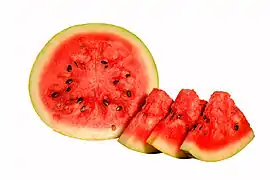
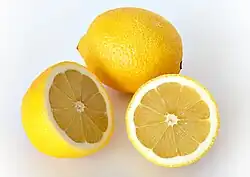
| Basic tastes in Japanese · 味覚 (mikaku) (layout · text) | |||||
|---|---|---|---|---|---|
 |
 |
 |
 |
 |
 |
| 甘い (amai) | 酸っぱい (suppai) | 塩っぱい (shoppai) | 苦い (nigai) | 辛い (karai) | 旨味 (umami) |
References
- “甘”, in 日本国語大辞典 (Nihon Kokugo Daijiten, “Nihon Kokugo Daijiten”) (in Japanese), concise edition, Tōkyō: Shogakukan, 2000
- Kindaichi, Kyōsuke et al., editors (1974), 新明解国語辞典 [Shin Meikai Kokugo Jiten] (in Japanese), Second edition, Tōkyō: Sanseidō
- NHK Broadcasting Culture Research Institute, editor (1998), NHK日本語発音アクセント辞典 [NHK Japanese Pronunciation Accent Dictionary] (in Japanese), Tōkyō: NHK Publishing, →ISBN
- Matsumura, Akira, editor (2006), 大辞林 [Daijirin] (in Japanese), Third edition, Tōkyō: Sanseidō, →ISBN
This article is issued from Wiktionary. The text is licensed under Creative Commons - Attribution - Sharealike. Additional terms may apply for the media files.