药
| ||||||||
Translingual
| Stroke order | |||
|---|---|---|---|
 | |||
| Traditional | 藥 |
|---|---|
| Shinjitai | 薬 |
| Simplified | 药 |
Han character
药 (Kangxi radical 140, 艸+6, 9 strokes, cangjie input 廿女一戈 (TVMI), four-corner 44127, composition ⿱艹约)
Related characters
- 藥 (Orthodox traditional form of 药)
- 葯 (Originally listed as a simplified form of 藥 in 1935, also a variant form of 藥 in modern Taiwan)
References
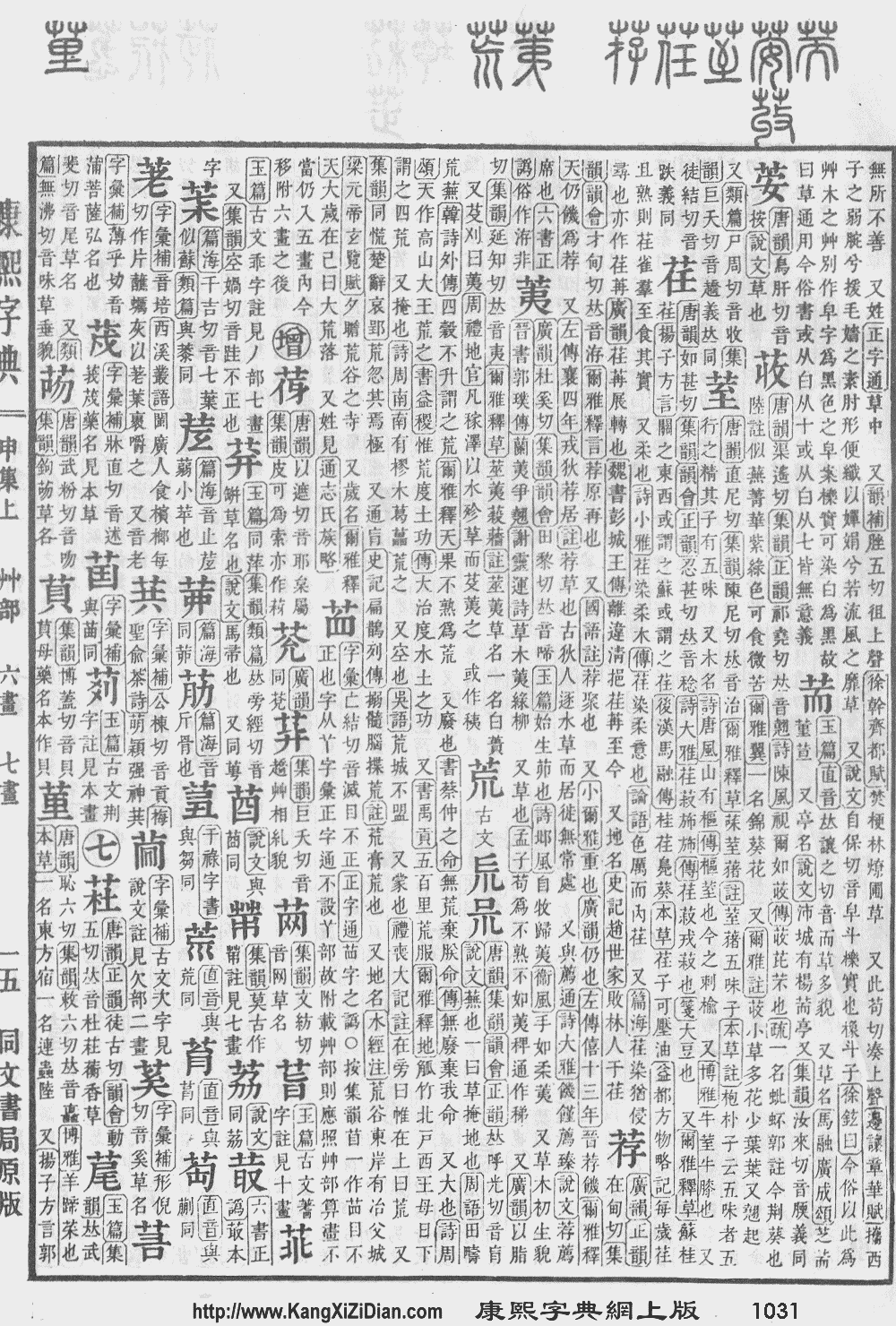
- Kangxi Dictionary: not present, would follow page 1031, character 38
- Hanyu Da Zidian (first edition): volume 5, page 3212, character 13
- Unihan data for U+836F
Chinese
Glyph origin
Simplified from 藥, which was originally simplified as 葯/药 by the Republic of China (Kuomintang government) in 1935 and by the People's Republic of China in 1956 before being simplified to its present form.
Definitions
| For pronunciation and definitions of 药 – see 藥 (“medicine; drug; pharmaceutical; substance used for a particular purpose; etc.”). (This character is the simplified form of 藥). |
Notes:
|
Glyph origin
Simplified from 葯 (約 → 约) (original sense unrelated to 藥), based on simplification of its radical component.
Definitions
| For pronunciation and definitions of 药 – see 葯 (“orris root; etc.”). (This character is the simplified form of 葯). |
Notes:
|
This article is issued from Wiktionary. The text is licensed under Creative Commons - Attribution - Sharealike. Additional terms may apply for the media files.