僚
See also: 𠆨
| ||||||||
| ||||||||
Translingual
Han character
僚 (Kangxi radical 9, 人+12, 14 strokes, cangjie input 人大金火 (OKCF), four-corner 24296, composition ⿰亻尞)
Derived characters
- 𡒭
References
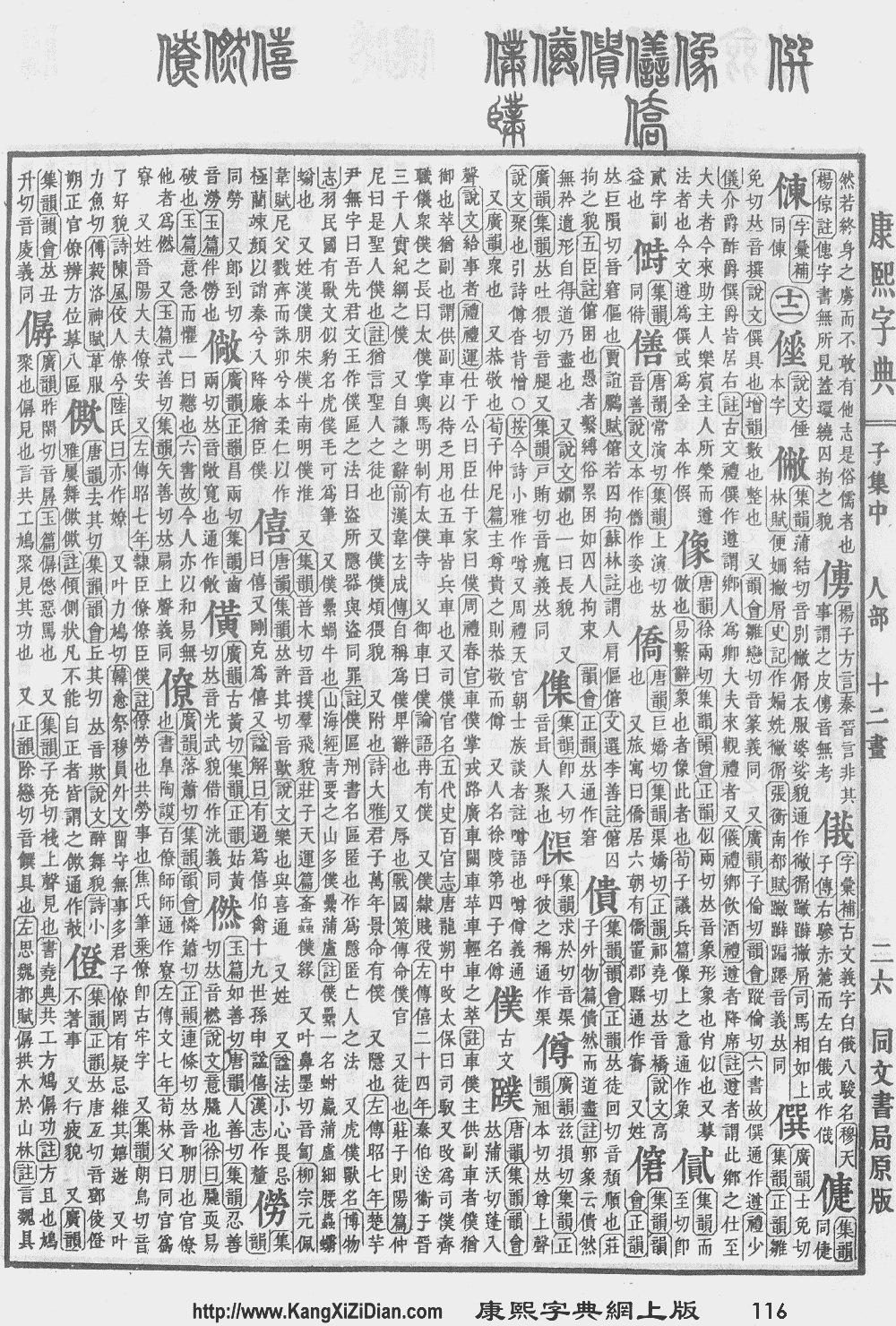
- Kangxi Dictionary: page 116, character 25
- Dai Kanwa Jiten: character 1100
- Dae Jaweon: page 248, character 3
- Hanyu Da Zidian (first edition): volume 1, page 218, character 3
- Unihan data for U+50DA
- Unihan data for U+F9BB
Chinese
Glyph origin
| Historical forms of the character 僚 | ||
|---|---|---|
| ||
|
References: Mostly from Richard Sears' Chinese Etymology site (authorisation),
|


Characters in the same phonetic series (尞) (Zhengzhang, 2003)
| Old Chinese | |
|---|---|
| 簝 | *reːw, *reːw |
| 潦 | *reːwʔ, *reːws |
| 獠 | *reːwʔ, *ʔr'eːwʔ, *reːw |
| 轑 | *reːwʔ |
| 橑 | *reːwʔ, *reːw |
| 燎 | *rew, *rewʔ, *rews |
| 繚 | *rewʔ, *reːw, *reːwʔ |
| 璙 | *rewʔ, *reːw, *reːws |
| 憭 | *rewʔ, *reːw, *reːwʔ |
| 爒 | *rewʔ, *reːwʔ |
| 僚 | *rewʔ, *reːw |
| 嫽 | *rewʔ, *reːw, *reːws |
| 療 | *rews |
| 膫 | *rews, *reːw |
| 鷯 | *rews, *reːw |
| 遼 | *reːw |
| 撩 | *reːw, *reːwʔ |
| 嘹 | *reːw, *reːw, *reːws |
| 寮 | *reːw |
| 飉 | *reːw |
| 竂 | *reːw |
| 鐐 | *reːw, *reːws |
| 蟟 | *reːw |
| 瞭 | *reːw, *reːwʔ |
| 嶚 | *reːw |
| 镽 | *reːwʔ |
Phono-semantic compound (形聲/形声, OC *rewʔ, *reːw) : semantic 人 (“person”) + phonetic 尞 ().
Definitions
僚
Compounds
Definitions
僚
- † good; beautiful
- 月出皎兮、佼人僚兮。 [Pre-Classical Chinese, trad. and simp.]
- From: The Classic of Poetry, c. 11th – 7th centuries BCE, translated based on James Legge's version
- Yuè chū jiǎo xī, jiǎorén liǎo xī. [Pinyin]
- The moon comes forth in her brightness;
How lovely is that beautiful lady!
Compounds
- 僚人
References
- “僚”, in 漢語多功能字庫 (Multi-function Chinese Character Database), 香港中文大學 (the Chinese University of Hong Kong), 2014–
Japanese
Readings
Korean
Etymology
From Middle Chinese 僚 (MC lew|ljewX). Recorded as Middle Korean 료 (lyo) (Yale: lyo) in Hunmong Jahoe (訓蒙字會 / 훈몽자회), 1527.
Vietnamese
Han character
僚: Hán Nôm readings: liêu
- This term needs a translation to English. Please help out and add a translation, then remove the text
{{rfdef}}.
This article is issued from Wiktionary. The text is licensed under Creative Commons - Attribution - Sharealike. Additional terms may apply for the media files.