処
See also: 處
| ||||||||
Translingual
| Traditional | 處 |
|---|---|
| Shinjitai | 処 |
| Simplified | 处 |
| Stroke order | |||
Japan | |||
Han character
処 (Kangxi radical 16, 几+3, 5 strokes, cangjie input 竹水竹弓 (HEHN), composition ⿺夂几)
References
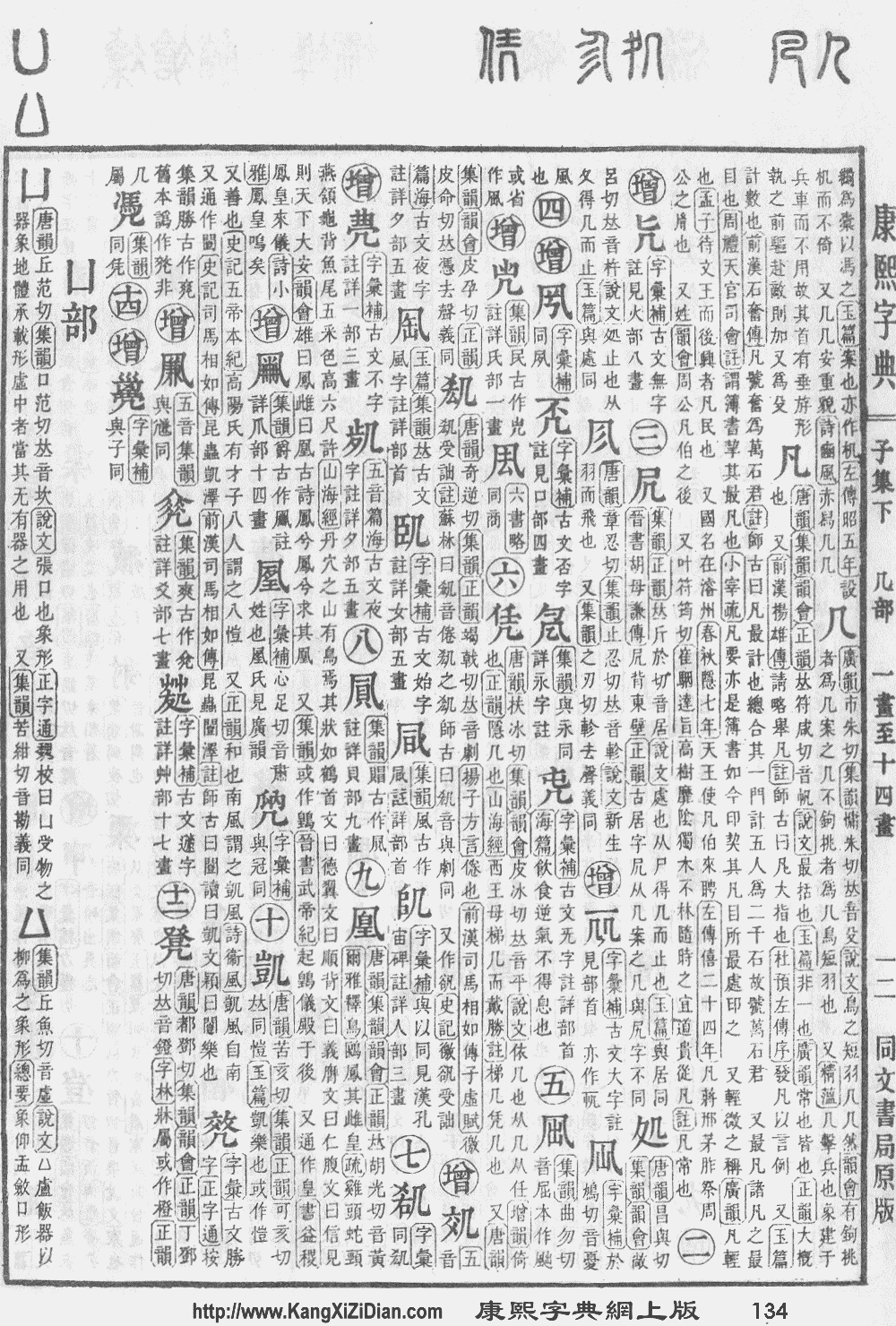
- Kangxi Dictionary: page 134, character 5
- Dai Kanwa Jiten: character 1745
- Dae Jaweon: page 299, character 15
- Hanyu Da Zidian (first edition): volume 1, page 276, character 13
- Unihan data for U+51E6
Chinese
Glyph origin
| Historical forms of the character 処 | ||||
|---|---|---|---|---|
| Western Zhou | Warring States | Shuowen Jiezi (compiled in Han) | Liushutong (compiled in Ming) | |
| Bronze inscriptions | Chu slip and silk script | Small seal script | Transcribed ancient scripts | |
 |
 |
 |
 | |
| ||||
|
References: Mostly from Richard Sears' Chinese Etymology site (authorisation),
| ||||

Definitions
| For pronunciation and definitions of 処 – see 處 (“to reside; to live; to dwell; to be situated in; to be in; etc.”). (This character is the former (1935–1936) ROC simplified and variant form of 處). |
Notes:
|
Japanese
| 処 | |
| 處 |
Readings
Compounds
Compounds
- 彼処 (ashiko), 彼処 (asoko), 彼処 (ako), 彼処 (asuko), 彼処 (kako), 彼処 (kashiko)
- 何処 (izuku), 何処 (izuko), 何処 (idoko), 何処 (doko)
- 区処 (kusho)
- 此処 (koko)
- 酒処 (sakedokoro)
- 死処 (shisho)
- 住処 (sumika)
- 随処 (zuisho)
- 善処 (zensho)
- 其処 (soko)
- 対処 (taisho)
- 処々 (tokorodokoro), 処処 (tokorodokoro)
- 同処 (dōsho)
- 目処 (medo)
- 出処 (shussho)
- 処遇 (shogū)
- 処刑 (shokei)
- 処決 (shoketsu)
- 処女 (shojo)
- 処世 (shosei)
- 処生訓 (shoseikun)
- 処断 (shodan)
- 処置 (shochi)
- 処罰 (shobatsu)
- 処分 (shobun)
- 処方 (shohō)
- 処理 (shori)
Etymology 1
| Kanji in this term |
|---|
| 処 |
| ところ Grade: 6 |
| kun’yomi |
| Alternative spelling |
|---|
| 處 (kyūjitai) |
| For pronunciation and definitions of 処 – see the following entry. | ||||||
| ||||||
| (This term, 処, is an alternative spelling of the above term.) |
Related terms
- 至る処 (itarutokoro)
- 御食事処 (o-shokujidokoro)
- 止め処 (tomedo)
- 捕らえ処 (toraedokoro)
- 泣き処 (nakidokoro)
- 使い処 (tsukaidokoro)
- 火傷 (yakedo)
Pronunciation
- IPA(key): [ko̞]
Derived terms
Pronunciation
- IPA(key): [ka̠]
Korean
Hanja
処 (eum 처 (cheo))
- This term needs a translation to English. Please help out and add a translation, then remove the text
{{rfdef}}.
Vietnamese
This article is issued from Wiktionary. The text is licensed under Creative Commons - Attribution - Sharealike. Additional terms may apply for the media files.