凧

凧 U+51E7, 凧
CJK UNIFIED IDEOGRAPH-51E7
← 処
[U+51E6]
CJK Unified Ideographs 凨 →
[U+51E8]

Translingual

Han character

凧 (Kangxi radical 16, 几+3, 5 strokes, cangjie input 竹弓中月 (HNLB), composition ⿵𠘨巾)

Derived characters

  • 𬽳, 𥦻

References

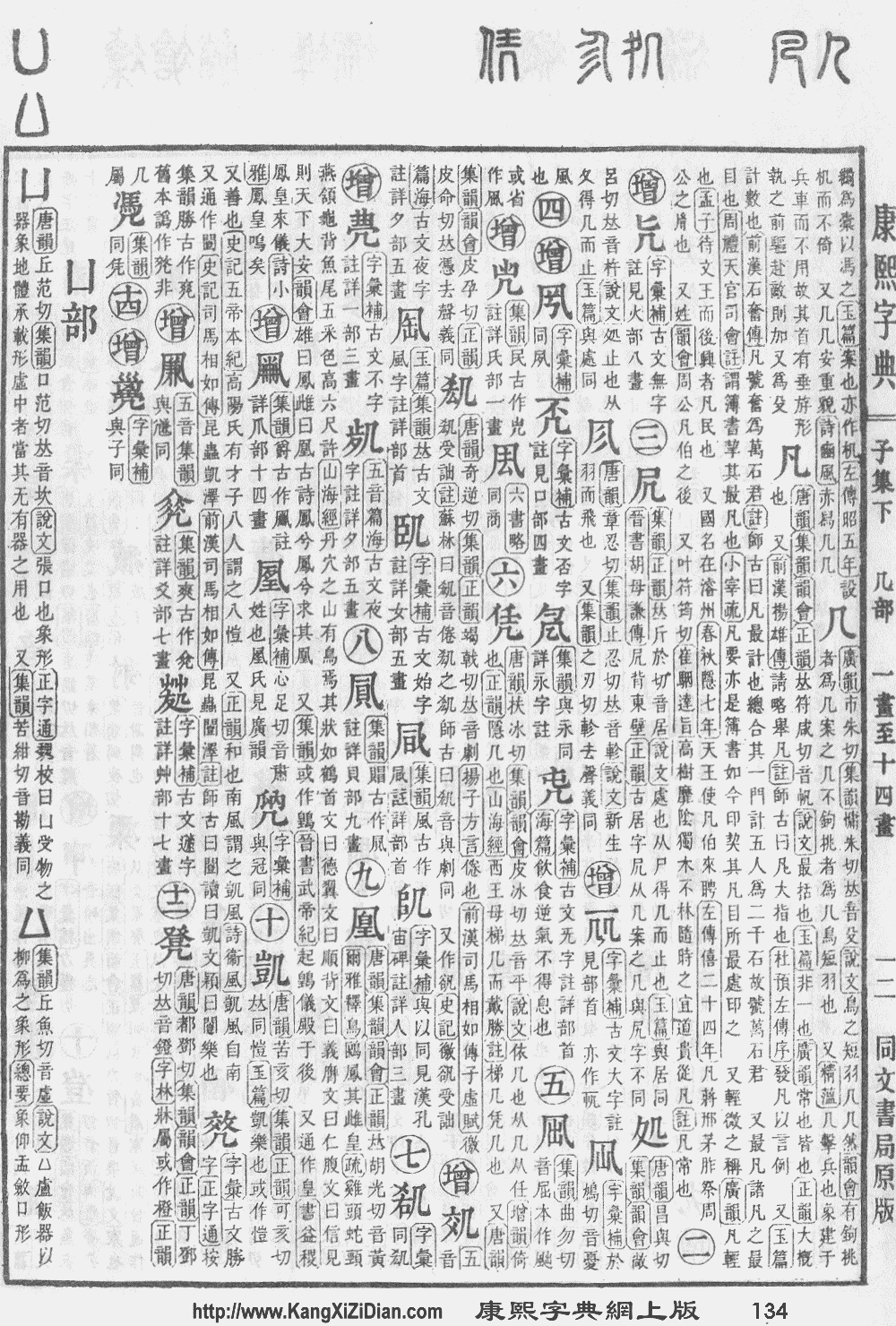
  • Kangxi Dictionary: not present, would follow page 134, character 8
  • Dai Kanwa Jiten: character 1749
  • Dae Jaweon: page 299, character 19
  • Hanyu Da Zidian (first edition): not present, would follow volume 1, page 276, character 11
  • Unihan data for U+51E7

Japanese

凧 (tako)

Glyph origin

A 国字 (kokuji, “Japanese-coined character”).

Kanji

凧

(“Jinmeiyō” kanji used for names)

Readings

  • Kun: たこ (tako, 凧); いかのぼり (ikanobori, 凧)

Etymology 1

Kanji in this term
凧
たこ
Jinmeiyō
kun’yomi
Alternative spelling
紙鳶

Pronunciation

Noun

凧(たこ) • (tako) 

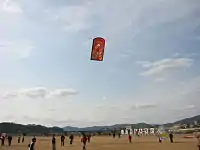
  1. (toy) kite (a tethered object lifted by wind)

Etymology 2

Kanji in this term
凧
Jinmeiyō
on’yomi
Alternative spelling
紙鳶

From 烏賊(いか) (ika, “squid”), due to kites looking like squids.

Pronunciation

Noun

凧(いか) • (ika) 

  1. (Kansai) kite
Synonyms

Etymology 3

Kanji in this term
凧
いかのぼり
Jinmeiyō
kun’yomi
Alternative spelling
紙鳶

烏賊(いか) (ika, “squid”) + 幟(のぼり) (nobori, “flag; banner”)

Pronunciation

  • (Tokyo) いかの​ぼり [ìkánóꜜbòrì] (Nakadaka – [3])[1]
  • IPA(key): [ika̠no̞bo̞ɾʲi]

Noun

凧(いかのぼり) • (ikanobori) 

  1. kite

Etymology 4

Kanji in this term
凧
はた
Jinmeiyō
kun’yomi

From 旗(はた) (hata, “flag”).

Pronunciation

  • (Tokyo) はた​ [hàtáꜜ] (Odaka – [2])[1]
  • IPA(key): [ha̠ta̠]

Noun

凧(はた) • (hata) 

  1. kite

References

  1. Matsumura, Akira, editor (2006), 大辞林 [Daijirin] (in Japanese), Third edition, Tōkyō: Sanseidō, →ISBN
This article is issued from Wiktionary. The text is licensed under Creative Commons - Attribution - Sharealike. Additional terms may apply for the media files.