弖
| ||||||||
Translingual
Han character
弖 (Kangxi radical 57, 弓+1, 4 strokes, cangjie input 弓一 (NM) or 難弓一 (XNM), composition ⿱弓一)
References
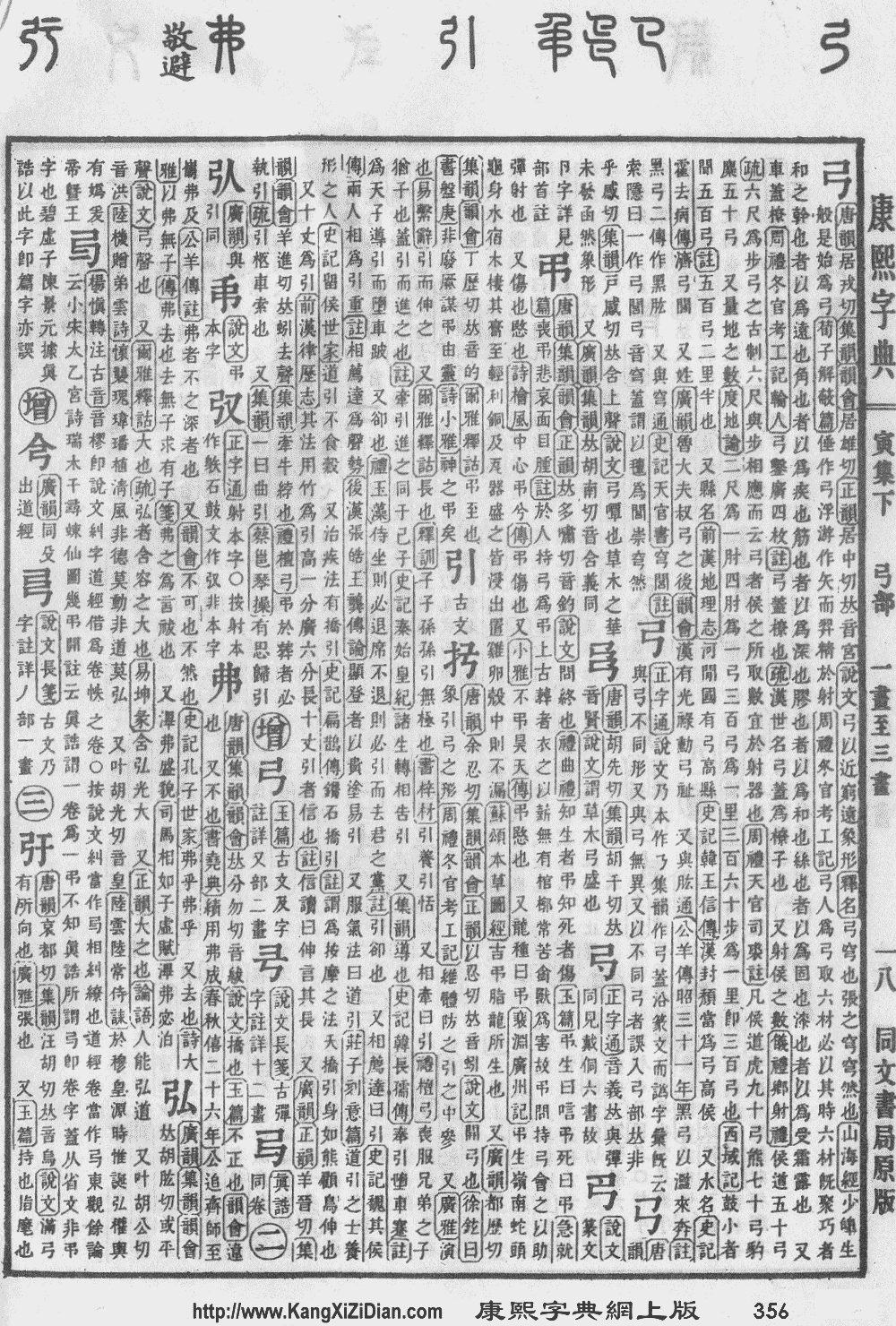
- Kangxi Dictionary: not present, would follow page 356, character 12
- Dai Kanwa Jiten: character 9703
- Hanyu Da Zidian (first edition): volume 2, page 988, character 3
- Unihan data for U+5F16
Chinese
| For pronunciation and definitions of 弖 – see 互 (“mutually; reciprocally; mutual; etc.”). (This character is a variant form of 互). |
Japanese
Glyph origin
A 国字 (kokuji, “Japanese-coined character”) which has been hypothesized to have been invented in Goguryeo. Earliest usage example appeared as 幹弖利城, a name of the fortress in the Gwanggaeto Stele, erected in 414. (Can this(+) etymology be sourced?)
As the first example in Japan, appeared as 弖已加利獲居 (⟨teyo2kariwake2⟩ → Teyokariwake) and 半弖比 (⟨patepi1⟩ → Hatehi), names of ancestors of the local ruler in the Inariyama burial-mound sword, 471.
According to one theory, this is a variant form of 氐, also used as a 借音 (shakuon) kana for ⟨te⟩. (Can this(+) etymology be sourced?)
This article is issued from Wiktionary. The text is licensed under Creative Commons - Attribution - Sharealike. Additional terms may apply for the media files.