彦
See also: 彥
| ||||||||
Translingual
Han character
彦 (Kangxi radical 59, 彡+6, 9 strokes, cangjie input 卜竹竹竹竹 (YHHHH), composition ⿸产彡)
References
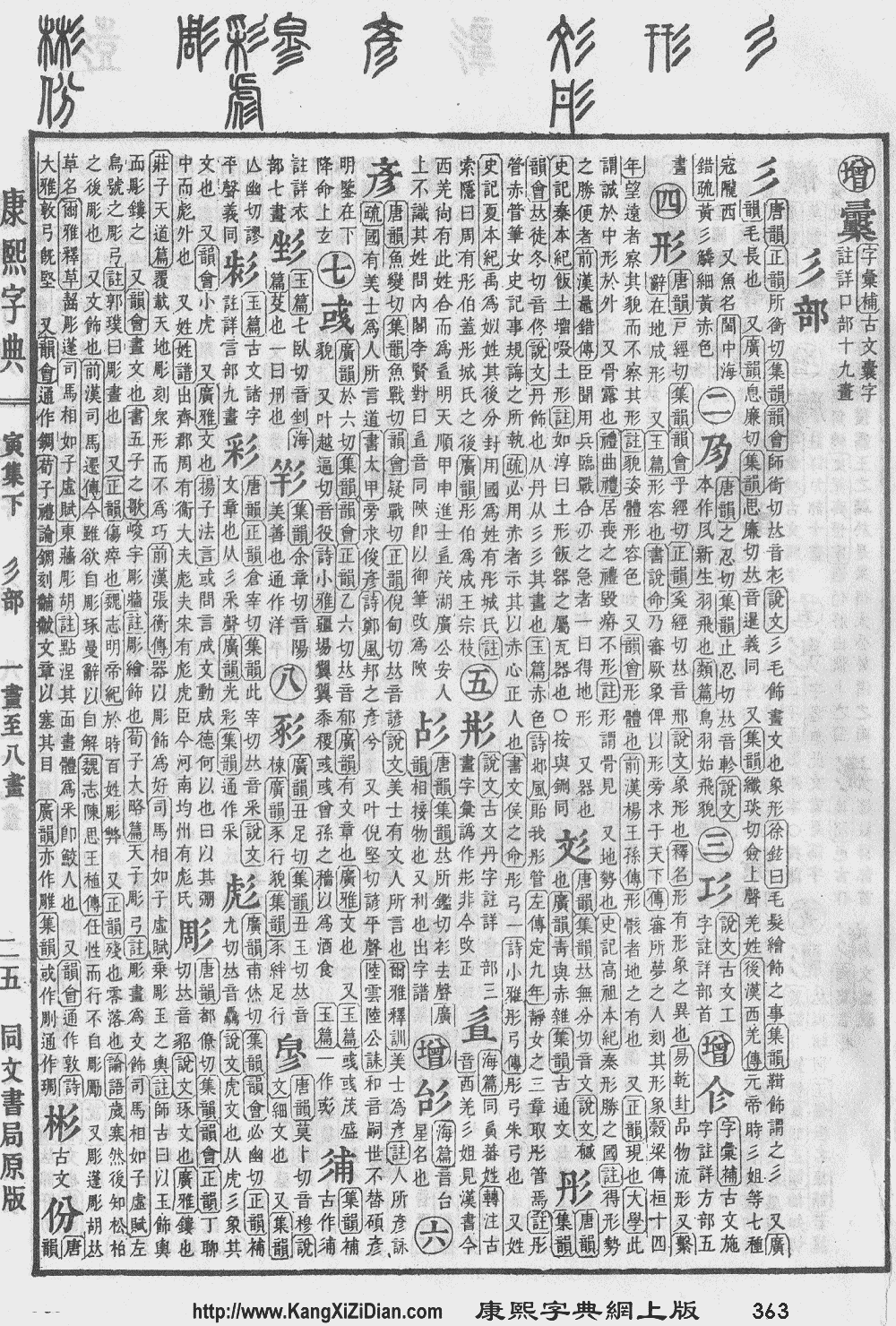
- Kangxi Dictionary: not present, would follow page 363, character 13
- Dai Kanwa Jiten: character 9981
- Hanyu Da Zidian (first edition): volume 2, page 854, character 9
- Unihan data for U+5F66
Chinese
Glyph origin
Etymology 1
| For pronunciation and definitions of 彦 – see 彥 (“elegant; handsome; learned; accomplished”). (This character is the simplified and variant form of 彥). |
Notes:
|
Etymology 2
| For pronunciation and definitions of 彦 – see 顏 (“forehead, especially the glabellar area; countenance; facial expression; etc.”). (This character is the second-round simplified form of 顏). |
Notes:
|
Japanese
| 彦 | |
| 彥 |
Readings
Compounds
- 俊彦 (shungen)
- 諸彦 (shogen)
Etymology
| Kanji in this term |
|---|
| 彦 |
| ひこ Jinmeiyō |
| kun’yomi |
| Alternative spelling |
|---|
| 彥 (kyūjitai) |
| For pronunciation and definitions of 彦 – see the following entry. | ||
| ||
| (This term, 彦, is an alternative spelling of the above term.) |
References
- Ishihara, Michihiro (1985 May 16) [c. 3rd century] Shintei Gishi Wajinden: Chūgoku Seishi Nihonden (1) (in Japanese), Tōkyō: Iwanami Shoten, →ISBN, pages 105-106
Korean
References
- Supreme Court of the Republic of Korea (대한민국 대법원, Daehanmin'guk Daebeobwon) (2018). Table of hanja for personal names (인명용 한자표 / 人名用漢字表, Inmyeong-yong hanja-pyo), page 29.
This article is issued from Wiktionary. The text is licensed under Creative Commons - Attribution - Sharealike. Additional terms may apply for the media files.