狐
| ||||||||
Translingual
Han character
狐 (Kangxi radical 94, 犬+5 in Chinese, 犬+6 in Japanese, 8 strokes in Chinese, 9 strokes in Japanese, cangjie input 大竹竹女人 (KHHVO), four-corner 42230, composition ⿰犭瓜)
References
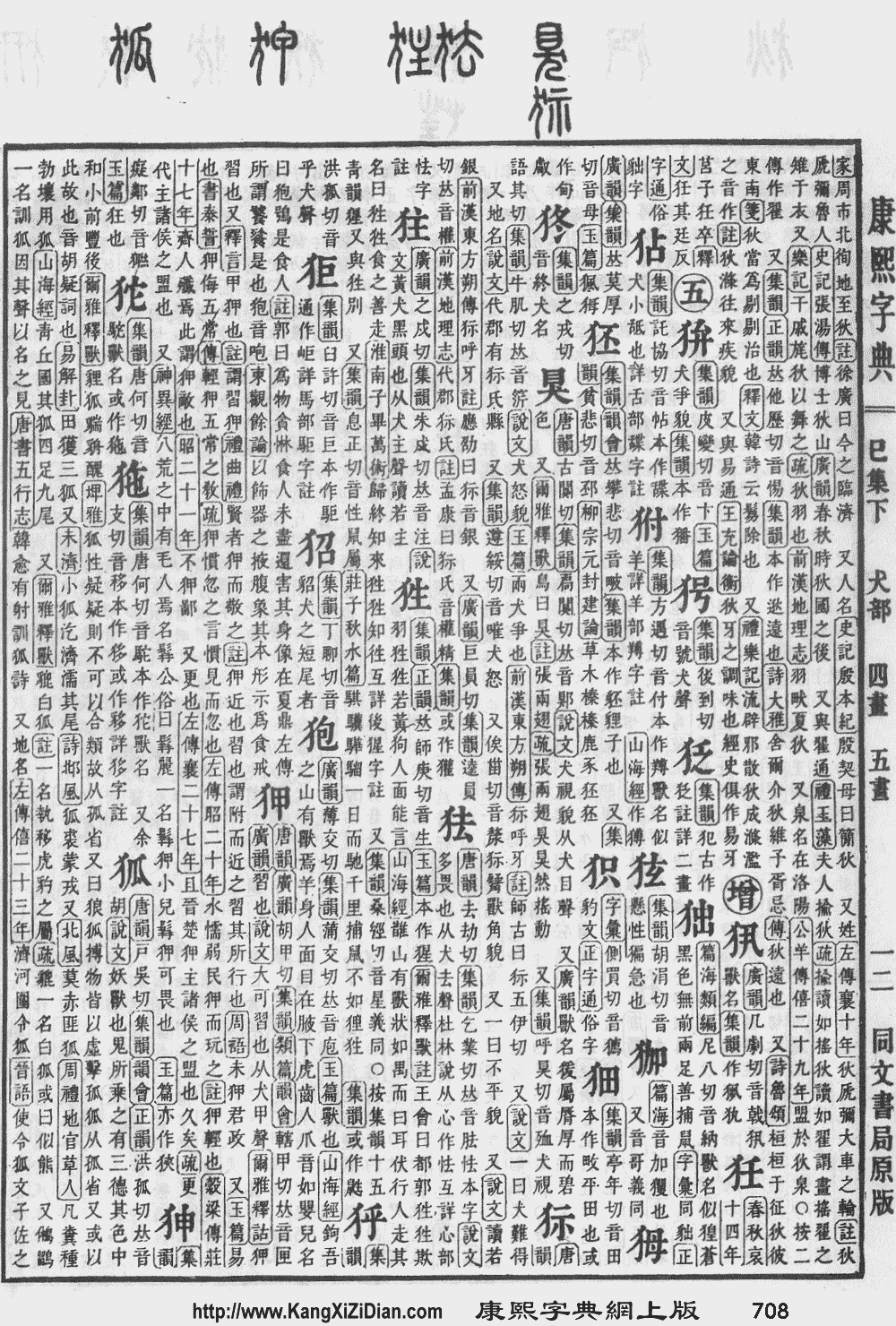
- Kangxi Dictionary: page 708, character 29
- Dai Kanwa Jiten: character 20333
- Dae Jaweon: page 1121, character 12
- Hanyu Da Zidian (first edition): volume 2, page 1340, character 14
- Unihan data for U+72D0
Chinese
| trad. | 狐 | |
|---|---|---|
| simp. # | 狐 | |
Glyph origin
Phono-semantic compound (形聲/形声, OC *ɡʷaː) : semantic 犭 (“dog”) + phonetic 瓜 (OC *kʷraː).
Etymology
From Proto-Sino-Tibetan *gwa (“fox”). Cognate with Tibetan ཝ (wa, “fox”).
Pronunciation
Synonyms
Compounds
- 一狐之腋
- 九尾狐 (jiǔwěihú)
- 令狐
- 兔死狐悲 (tùsǐhúbēi)
- 兔跡狐蹤/兔迹狐踪
- 北極狐/北极狐 (Běijíhú)
- 城狐社鼠
- 封狐
- 打夜狐
- 有狐
- 沙狐 (shāhú)
- 滿腹狐疑/满腹狐疑 (mǎnfùhúyí)
- 火狐 (huǒhú)
- 狐丘之誡/狐丘之诫
- 狐仙 (húxiān)
- 狐偃
- 狐假虎威 (hújiǎhǔwēi)
- 狐假鴟張/狐假鸱张
- 狐兔之悲
- 狐埋狐搰
- 狐奔鼠竄/狐奔鼠窜
- 狐媚 (húmèi)
- 狐媚子
- 狐媚猿攀
- 狐媚魔道
- 狐媚魘道/狐媚魇道
- 狐惑 (húhuò)
- 狐憑鼠伏/狐凭鼠伏
- 狐朋狗友 (húpénggǒuyǒu)
- 狐朋狗黨/狐朋狗党
- 狐步舞
- 狐死兔悲
- 狐死兔泣
- 狐死首丘
- 狐潛鼠伏/狐潜鼠伏
- 狐濡尾
- 狐狸
- 狐狸尾巴
- 狐狸狗
- 狐狸精 (húlijīng)
- 狐猴 (húhóu)
- 狐疑 (húyí)
- 狐疑不決/狐疑不决
- 狐疑未決/狐疑未决
- 狐白
- 狐群狗黨/狐群狗党 (húqún-gǒudǎng)
- 狐臊 (húsāo)
- 狐臭 (húchòu)
- 狐藉虎威/狐借虎威 (hújièhǔwēi)
- 狐虎之威
- 狐裘羔袖
- 狐裘蒙戎
- 狐裘龍茸/狐裘龙茸
- 狐迷
- 狐騷/狐骚
- 狐騷臭/狐骚臭
- 狐魅
- 狐鳴狗盜/狐鸣狗盗
- 狐鳴魚書/狐鸣鱼书
- 狗黨狐群/狗党狐群
- 狐鼠之徒
- 狼顧狐疑/狼顾狐疑
- 玄狐
- 玄狐蜂
- 白狐 (báihú)
- 社鼠城狐
- 篝火狐鳴/篝火狐鸣
- 老狐狸
- 與狐謀皮/与狐谋皮 (yǔhúmóupí)
- 花狸狐哨
- 花麗狐哨/花丽狐哨
- 董狐
- 董狐筆/董狐笔
- 虎威狐假
- 赤狐 (chìhú)
- 野狐涎
- 野狐狸
- 野狐禪/野狐禅 (yěhúchán)
- 銀狐/银狐
- 雄狐
- 飛狐/飞狐
- 鬼化狐
- 鬼狐
- 鬼狐猶/鬼狐犹
- 鬼狐由
References
- “狐”, in 漢語多功能字庫 (Multi-function Chinese Character Database), 香港中文大學 (the Chinese University of Hong Kong), 2014–
Japanese
Compounds
- 一狐裘 (ikkokyū)
- 一狐裘三十年 (ikkokyū sanjūnen)
- 狐疑 (kogi)
- 狐疑逡巡 (kogishunjun)
- 狐裘 (kokyū)
- 狐狗狸 (kokkuri)
- 狐媚 (kobi)
- 狐狸 (kori)
- 狐狼 (korō)
- 豺狼路に当たれり,安んぞ狐狸を問わん (sairō michi ni atareri, izukunzo kori o towan)
- 三狐神 (saguji)
- 城狐社鼠 (jōkoshaso)
- 千金の裘は一狐の腋に非ず (senkin no kyū wa ikko no eki ni arazu)
- 善狐 (zenko): a good fox
- 天狐 (tenko): a celestial fox
- 白狐 (byakko): white fox; arctic fox
- 野狐 (yako): field or wild foxes
- 野狐禅 (yakozen)
- 妖狐 (yōko): a demon fox
- 狐臭 (wakiga)
Etymology

| Kanji in this term |
|---|
| 狐 |
| きつね Hyōgaiji |
| kun’yomi |
From Old Japanese. Appears in the Man'yōshū, completed some time after 759 CE.
There are various theories. The most likely is based on the root form kitsu, which may have originally been onomatopoeic for the sound of a fox's cry.[1] The final ne syllable appeared for certain by the Heian period,[2] but its meaning remains unclear.
Noun
狐 or 狐 • (kitsune)
- a fox
- 794, Shin'yaku Kegonkyō Ongi Shiki:
- 狐狼 上扈反, 倭言岐都禰, 又狐諼獸鬼所乘有三徳, 狐疑不定也, 狼音良, 訓, 似犬也, 倭言大神也
- (please add an English translation of this quotation)
- 1994 July 16, Isao Takahata, 平成狸合戦ぽんぽこ [Heisei Raccoon Dog War Ponpoko], spoken by Oroku (Nijiko Kiyokawa), Toho:
- 程度の低いものは「擬態」と呼ばれ、カメレオンなんぞにもできるが、「化け学」はオラたち以外では、キツネと一部のネコしか身につけておらん‼
- Teido no hikui mono wa “gitai” to yobare, kamereon nanzo ni mo dekiru ga,“bakegaku” wa ora-tachi igai de wa, kitsune to ichibu no neko shika mi ni tsuketeoran‼
- Those lesser kinds like chameleons can make use of “mimicry”, but beside us, only foxes and a few cats can master “metamorphism”!!
- 程度の低いものは「擬態」と呼ばれ、カメレオンなんぞにもできるが、「化け学」はオラたち以外では、キツネと一部のネコしか身につけておらん‼
Usage notes
- As with many terms that name organisms, this term is often spelled in katakana, especially in biological contexts (where katakana is customary), as キツネ.
Synonyms
- フォックス (fokkusu, less common)
Derived terms
- 青狐 (aogitsune)
- 赤狐 (akagitsune)
- 兎死すれば狐これを悲しむ (usagi shi sureba kitsune kore o kanashimu)
- 兎の罠に狐がかかる (usagi no wana ni kitsune ga kakaru)
- 刑部狐 (osakabegitsune)
- 御先狐 (osakigitsune)
- 尾裂き狐 (osakigitsune)
- 雄狐 (ogitsune): a male fox
- 同じ穴の狐 (onaji ana no kitsune)
- 北狐 (kitakitsune): Vulpes vulpes schrenckii, the northern fox or Hokkaido fox of Japan and Sakhalin
- 狐薊 (kitsuneazami)
- 狐色 (kitsuneiro)
- 狐饂飩 (kitsuneudon)
- 狐落とし (kitsuneotoshi)
- 狐拳 (kitsuneken)
- 狐格子 (kitsunegōshi)
- 狐猿 (kitsunezaru)
- 狐死して丘に首す (kitsune shi shite oka ni shusu), 狐死して丘に首す (kitsune shi shite oka ni kashirasu)
- 狐鮨 (kitsunezushi)
- 狐施行 (kitsunesegyō)
- 狐鯛 (kitsunedai)
- 狐忠信 (kitsunetadanobu)
- 狐塚 (kitsunezuka)
- 狐使い (kitsunetsukai)
- 狐憑き (kitsunetsuki): possession by a kitsune
- 狐釣り (kitsunetsuri)
- 狐戸 (kitsunedo)
- 狐と狸 (kitsune to tanuki)
- 狐と狸の化かし合い (kitsune to tanuki no bakashi ai)
- 狐につままれる (kitsune ni tsumamareru)
- 狐の絵筆 (kitsune no efude)
- 狐の尾 (kitsune no o)
- 狐の剃刀 (kitsune no kamisori)
- 狐の子は頬白 (kitsune no ko wa tsurajiro)
- 狐の茶袋 (kitsune no chabukuro)
- 狐の提灯 (kitsune no chōchin)
- 狐の手袋 (kitsune no tebukuro)
- 狐の牡丹 (kitsune no botan)
- 狐の孫 (kitsune no mago)
- 狐の嫁入り (kitsune no yomeiri): a sun shower
- 狐火 (kitsunebi): will o' the wisp, foxfire
- 狐日和 (kitsunebiyori)
- 狐福 (kitsunefuku)
- 狐遍羅 (kitsunebera), 狐倍良 (kitsunebera)
- 狐窓 (kitsunemado)
- 狐飯 (kitsunemeshi)
- 狐物語 (kitsunemonogatari)
- 狐柳 (kitsuneyanagi)
- 狐六方 (kitsuneroppō)
- 狐罠 (kitsunewana)
- 狐を馬に乗せたよう (kitsune o uma ni noseta yō)
- 九尾の狐 (kyūbi no kitsune)
- 銀狐 (gingitsune)
- 管狐 (kudagitsune)
- 源九郎狐 (genkurōgitsune)
- 小狐 (kogitsune), 子狐 (kogitsune)
- 小狐座 (Kogitsuneza)
- 小狐丸 (kogitsunemaru)
- 小狐礼三 (kogitsunereiza)
- 小人狐猿 (kobitokitsunezaru)
- 佐渡狐 (sadogitsune)
- 白狐 (shirogitsune)
- 師走狐 (shiwasugitsune)
- 釣り狐 (tsurigitsune)
- 虎の威を借る狐 (tora no i o karu kitsune)
- 野狐 (nogitsune): field or wild foxes
- 灰色狐 (haiirogitsune)
- 袋狐 (fukurogitsune)
- 古狐 (furugitsune)
- 北極狐 (hokkyokugitsune)
- 牝狐 (megitsune), 雌狐 (megitsune): a female fox, a vixen
- ライネケ狐 (rainekegitsune)
References
- 1937: Daigenkai (in Japanese). Reissued in 1984. →ISBN
- 1998: 『怪異・きつね百物語』 (Yōkai: Kitsune Hyaku Monogatari, “Phantoms: 100 Fox Tales”; in Japanese). Yoshihiko Sasama. →ISBN
- Matsumura, Akira, editor (2006), 大辞林 [Daijirin] (in Japanese), Third edition, Tōkyō: Sanseidō, →ISBN
- NHK Broadcasting Culture Research Institute, editor (1998), NHK日本語発音アクセント辞典 [NHK Japanese Pronunciation Accent Dictionary] (in Japanese), Tōkyō: NHK Publishing, →ISBN
- Kindaichi, Kyōsuke et al., editors (1997), 新明解国語辞典 [Shin Meikai Kokugo Jiten] (in Japanese), Fifth edition, Tōkyō: Sanseidō, →ISBN
- Takeuchi, Rizō (1962) Nara Ibun: Volume 3 (in Japanese), Tōkyō: Tōkyōdō Shuppan, →ISBN.
Korean
Etymology
From Middle Chinese 狐 (MC hu).
| Historical Readings | ||
|---|---|---|
| Dongguk Jeongun Reading | ||
| Dongguk Jeongun, 1448 | ᅘᅩᆼ (Yale: hhwò) | |
| Middle Korean | ||
| Text | Eumhun | |
| Gloss (hun) | Reading | |
| Hunmong Jahoe, 1527 | 여ᅀᅳ (Yale: yèzù) | 호 (Yale: hwò) |
Pronunciation
- (SK Standard/Seoul) IPA(key): [ɸʷo̞]
- Phonetic hangul: [호]
Okinawan
Readings
- Kun: ちちに (chichini, 狐)←ちつぃに (titwini, 狐, historical)
Etymology
| Kanji in this term |
|---|
| 狐 |
| ちちに Hyōgaiji |
| kun’yomi |
/*kitune/ → /t͡ɕit͡sini/ → /t͡ɕit͡ɕini/
Cognate with Japanese 狐 (kitsune).
Attested in the 沖縄語典 (Okinawa Goten, “Okinawan Dictionary”) as ちつィに.[1] The phonemes /t͡si/ and /t͡ɕi/ converged in Okinawan during the 20th century.
References
- 1896: 沖縄語典 (Okinawa Goten, “Okinawan Dictionary”). In Japanese. http://kindai.ndl.go.jp/info:ndljp/pid/992016/30
Further reading
- “ちちに【狐】” in JLect - Japonic Languages and Dialects Database Dictionary, 2019.