髥
| ||||||||
Translingual
Han character
髥 (Kangxi radical 190, 髟+4, 14 strokes, cangjie input 尸竹月一一 (SHBMM), composition ⿱髟冄)
References
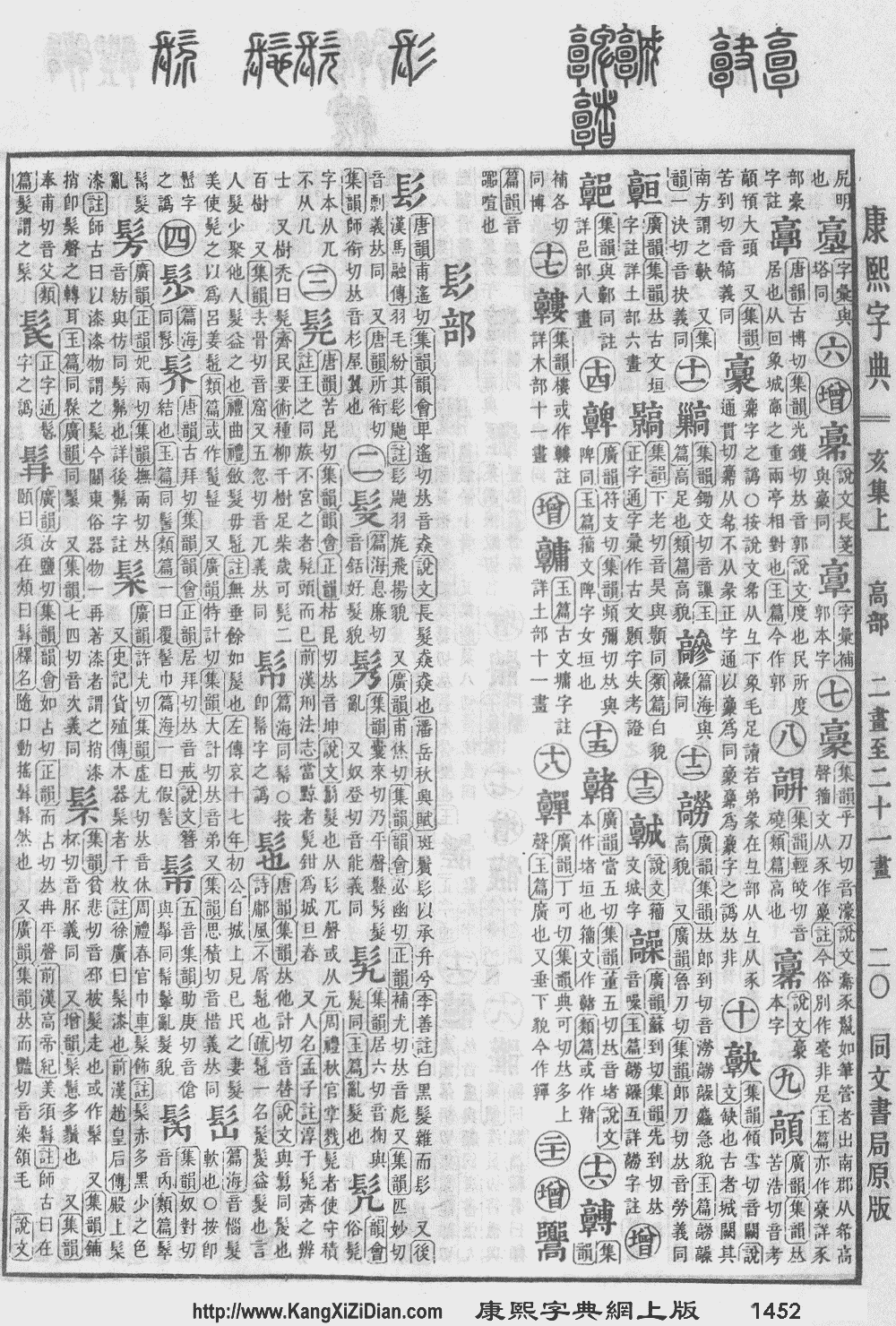
- Kangxi Dictionary: page 1452, character 43
- Dai Kanwa Jiten: character 45375
- Dae Jaweon: page 1983, character 19
- Hanyu Da Zidian (first edition): volume 7, page 4519, character 11
- Unihan data for U+9AE5
Chinese
| For pronunciation and definitions of 髥 – see 髯 (“whiskers; beard; person with a lot of beard”). (This character is a variant form of 髯). |
Japanese
Korean
Etymology
From Middle Chinese 髯 (MC nyem|nyemH). Recorded as Middle Korean ᅀᅧᆷ (zyem) (Yale: zyem) in Hunmong Jahoe (訓蒙字會 / 훈몽자회), 1527.
Pronunciation
- (SK Standard/Seoul) IPA(key): [jʌ̹m]
- Phonetic hangul: [염]
This article is issued from Wiktionary. The text is licensed under Creative Commons - Attribution - Sharealike. Additional terms may apply for the media files.