髦
| ||||||||
Translingual
Han character
髦 (Kangxi radical 190, 髟+4, 14 strokes, cangjie input 尸竹竹手山 (SHHQU), four-corner 72714, composition ⿱髟毛)
- flowing hair of young child
References
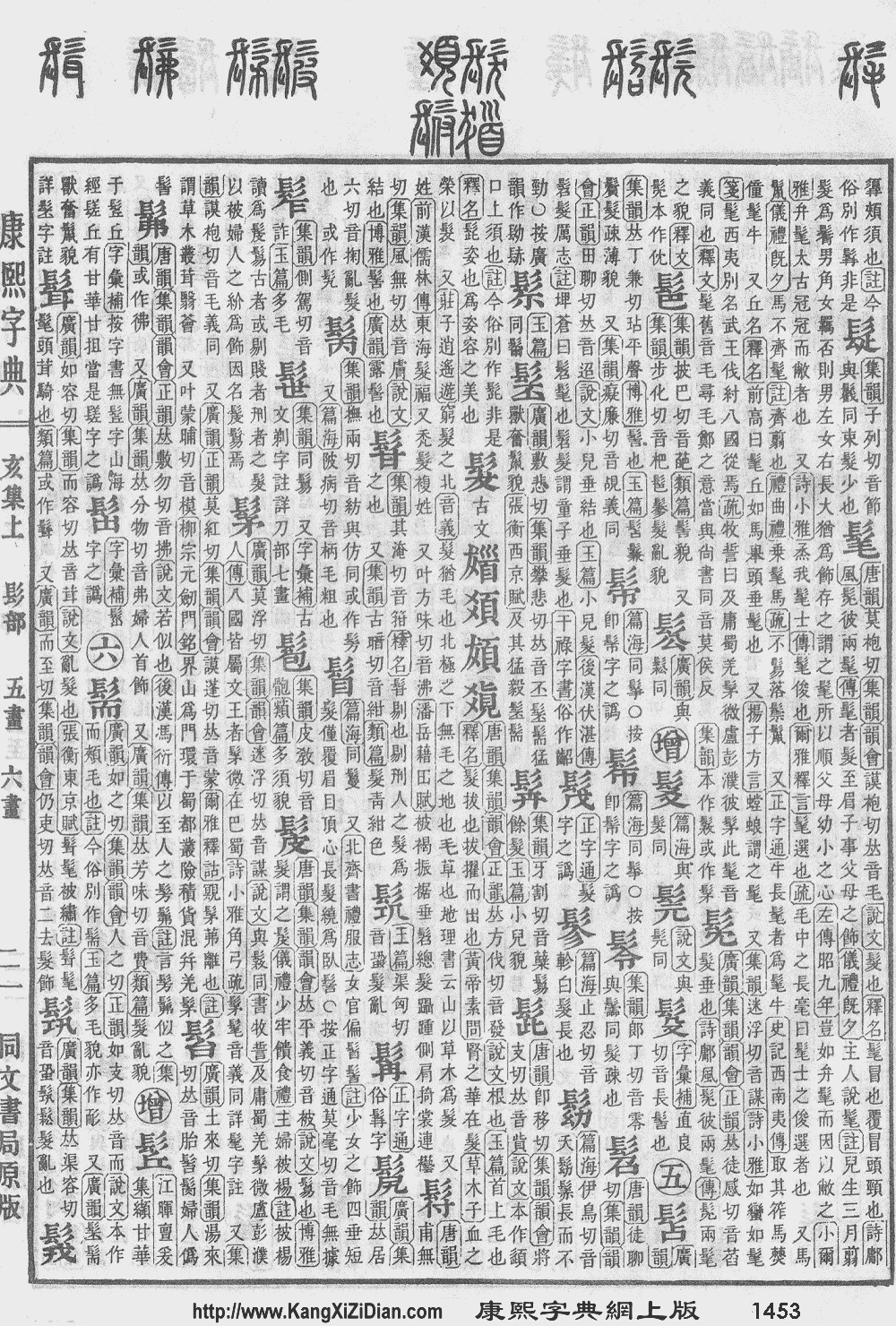
- Kangxi Dictionary: page 1453, character 2
- Dai Kanwa Jiten: character 45377
- Dae Jaweon: page 1983, character 21
- Hanyu Da Zidian (first edition): volume 7, page 4519, character 14
- Unihan data for U+9AE6
Chinese
| simp. and trad. |
髦 | |
|---|---|---|
Glyph origin
Pronunciation
Definitions
髦
- (literary) horse's mane
- (literary) outstanding person
- (literary) fangs of children
- 髧彼兩髦,實維我儀。 [Pre-Classical Chinese, trad.]
- From: The Classic of Poetry, c. 11th – 7th centuries BCE, translated based on James Legge's version
- Dàn bǐ liǎngmáo, shí wéi wǒ yí. [Pinyin]
- With his two tufts of hair falling over his forehead,
He was my mate;
髧彼两髦,实维我仪。 [Pre-Classical Chinese, simp.]
- (literary, figurative) child
Japanese
Kanji
髦
- This term needs a translation to English. Please help out and add a translation, then remove the text
{{rfdef}}.
Korean
Hanja
髦 • (mo) (hangeul 모, revised mo, McCune–Reischauer mo, Yale mo)
- This term needs a translation to English. Please help out and add a translation, then remove the text
{{rfdef}}.
This article is issued from Wiktionary. The text is licensed under Creative Commons - Attribution - Sharealike. Additional terms may apply for the media files.