义
| ||||||||
Translingual
| Stroke order | |||
|---|---|---|---|
 | |||
Han character
义 (Kangxi radical 3, 丶+2, 3 strokes, cangjie input 戈大 (IK) or 難戈大 (XIK), composition ⿶乂丶)
References
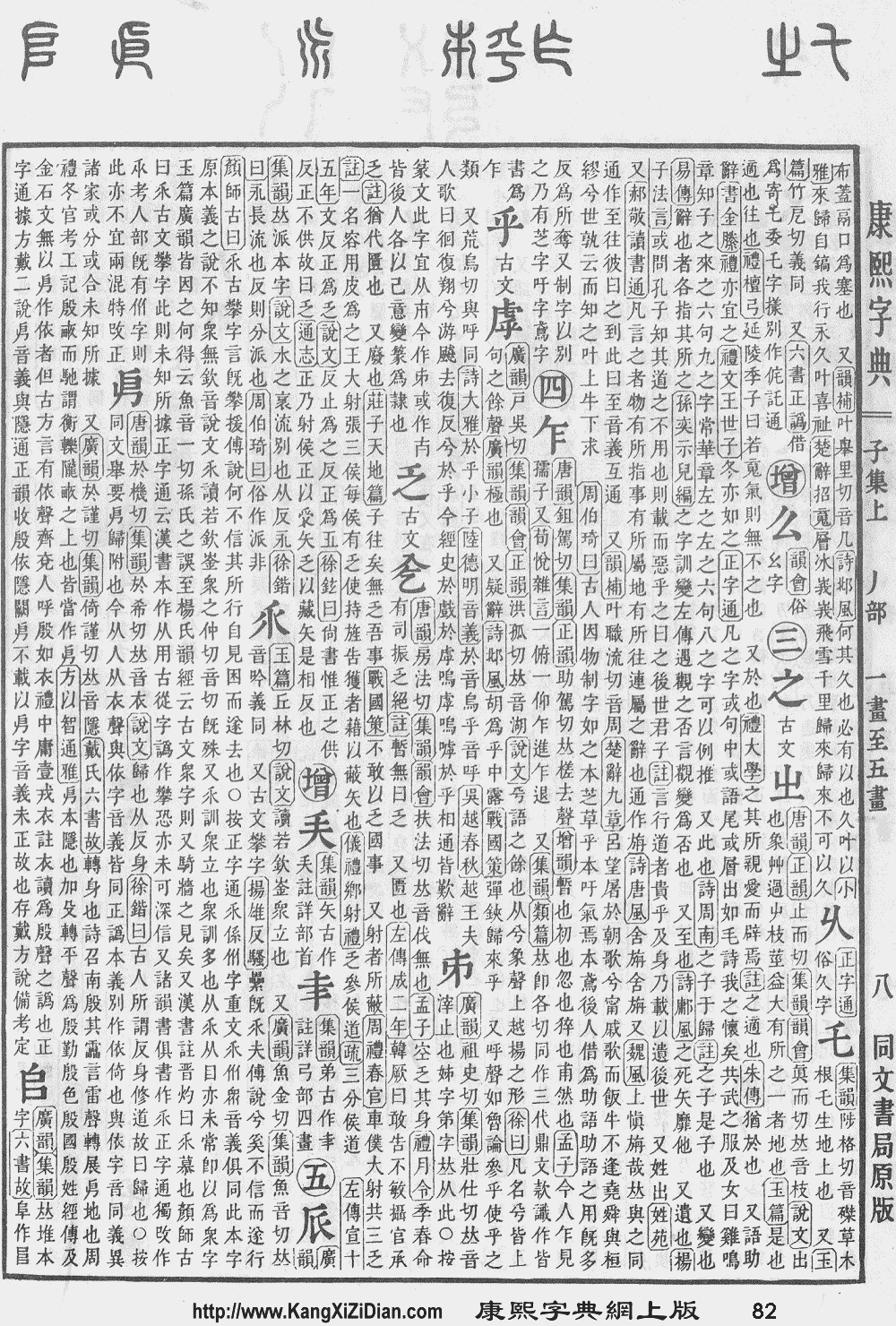
- Kangxi Dictionary: not present, would follow page 82, character 3
- Dai Kanwa Jiten: character 124
- Dae Jaweon: page 165, character 12
- Hanyu Da Zidian (first edition): volume 1, page 42, character 10
- Unihan data for U+4E49
Chinese
Glyph origin
Derived from 乂. Originally 乂 was borrowed because of homophony and being mostly displaced by (刈). Later, to avoid confusion a stroke was added on top of 乂 to distinguish correctly. Now a homophonic character; compare 舊 → 旧
Etymology 1
| For pronunciation and definitions of 义 – see 義 (“right conduct; righteousness; justice; morality; ties between people; relationship; etc.”). (This character is the simplified and variant form of 義). |
Notes:
|
Japanese
This article is issued from Wiktionary. The text is licensed under Creative Commons - Attribution - Sharealike. Additional terms may apply for the media files.