兑

See also: 兌
兑 U+5151, 兑
CJK UNIFIED IDEOGRAPH-5151
← 児
[U+5150]
CJK Unified Ideographs 兒 →
[U+5152]

Translingual

Glyph origin

Variant of 兌.

Han character

兑 (Kangxi radical 10, 儿+5, 7 strokes, cangjie input 金口竹山 (CRHU) or 難金口竹山 (XCRHU), four-corner 8021, composition ⿱丷兄(GTV) or ⿱𠮦儿(GTV))

Derived characters

References

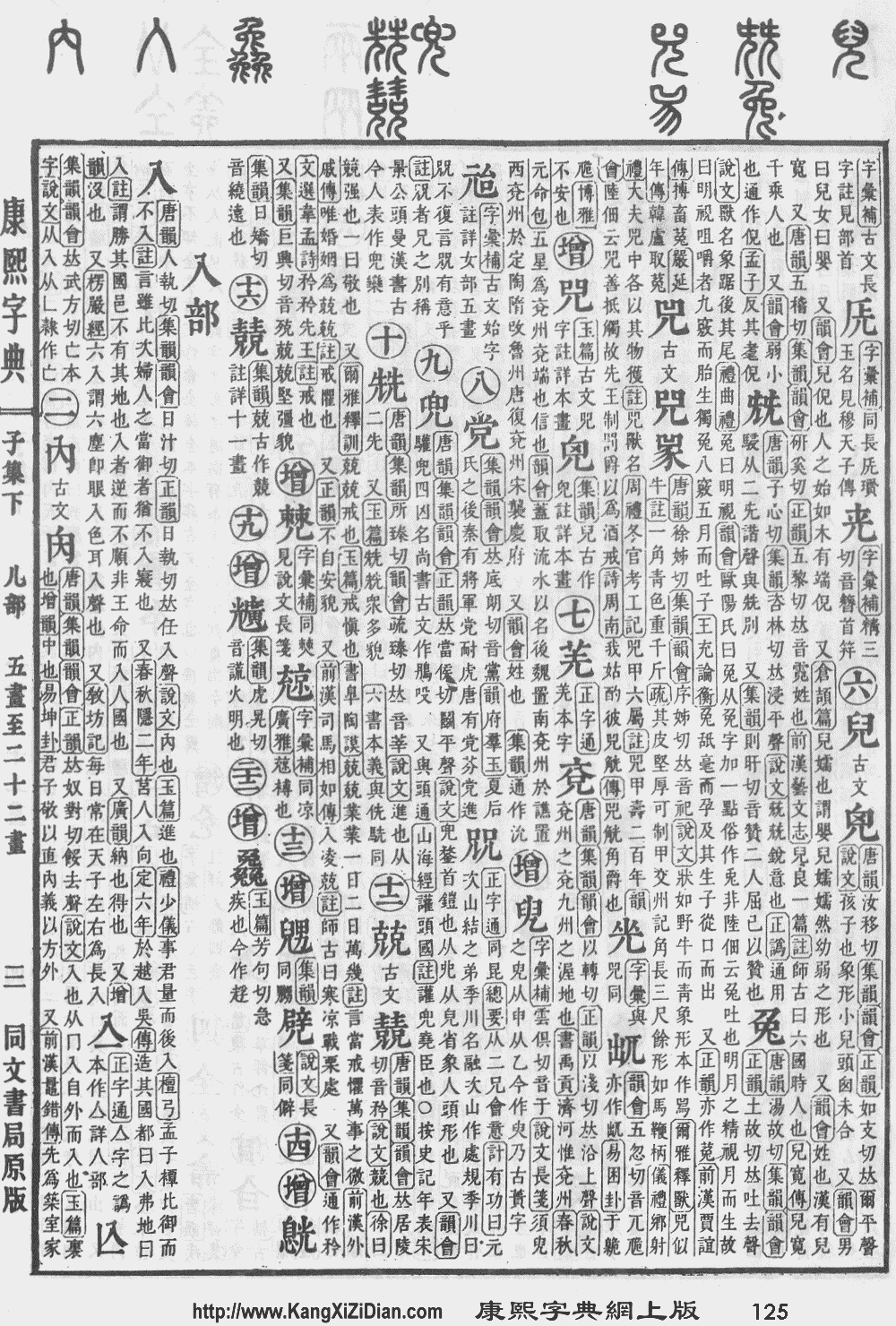
  • Kangxi Dictionary: not present, would follow page 125, character 2
  • Hanyu Da Zidian (first edition): volume 1, page 271, character 1
  • Unihan data for U+5151

Chinese

Etymology 1

For pronunciation and definitions of 兑 – see 兌 (“to exchange; to dilute; etc.”).
(This character is the simplified and variant traditional form of 兌).
Notes:

Etymology 2

For pronunciation and definitions of 兑 – see 免 (“to take off; to remove from the body; to avoid; to escape; to evade; etc.”).
(This character is a variant form of 免).

Japanese

Kanji

兑

(uncommon “Hyōgai” kanji)

  1. exchange
  2. convert
  3. dui (one of the trigrams of the I Ching: swamp, west)

Readings

Usage notes

This character lacks JIS support and is not used on its own. 兌 (U+514C) is used instead. However, 兑 is used as the component form of several jōyō kanji such as 説 税 悦 脱 鋭.

Korean

Hanja

兑 • (tae, ye) (hangeul 태, 예, revised tae, ye, McCune–Reischauer t'ae, ye)

  1. This term needs a translation to English. Please help out and add a translation, then remove the text {{rfdef}}.
This article is issued from Wiktionary. The text is licensed under Creative Commons - Attribution - Sharealike. Additional terms may apply for the media files.