兒
| ||||||||
Translingual
| Traditional | 兒 |
|---|---|
| Shinjitai | 児 |
| Simplified | 儿 |
Han character
兒 (Kangxi radical 10, 儿+6, 8 strokes, cangjie input 竹難竹山 (HXHU), four-corner 77217, composition ⿱臼儿)
Derived characters
Related characters
- 児 (Japanese shinjitai, also a variant form)
- 儿 (Simplified Chinese)
References
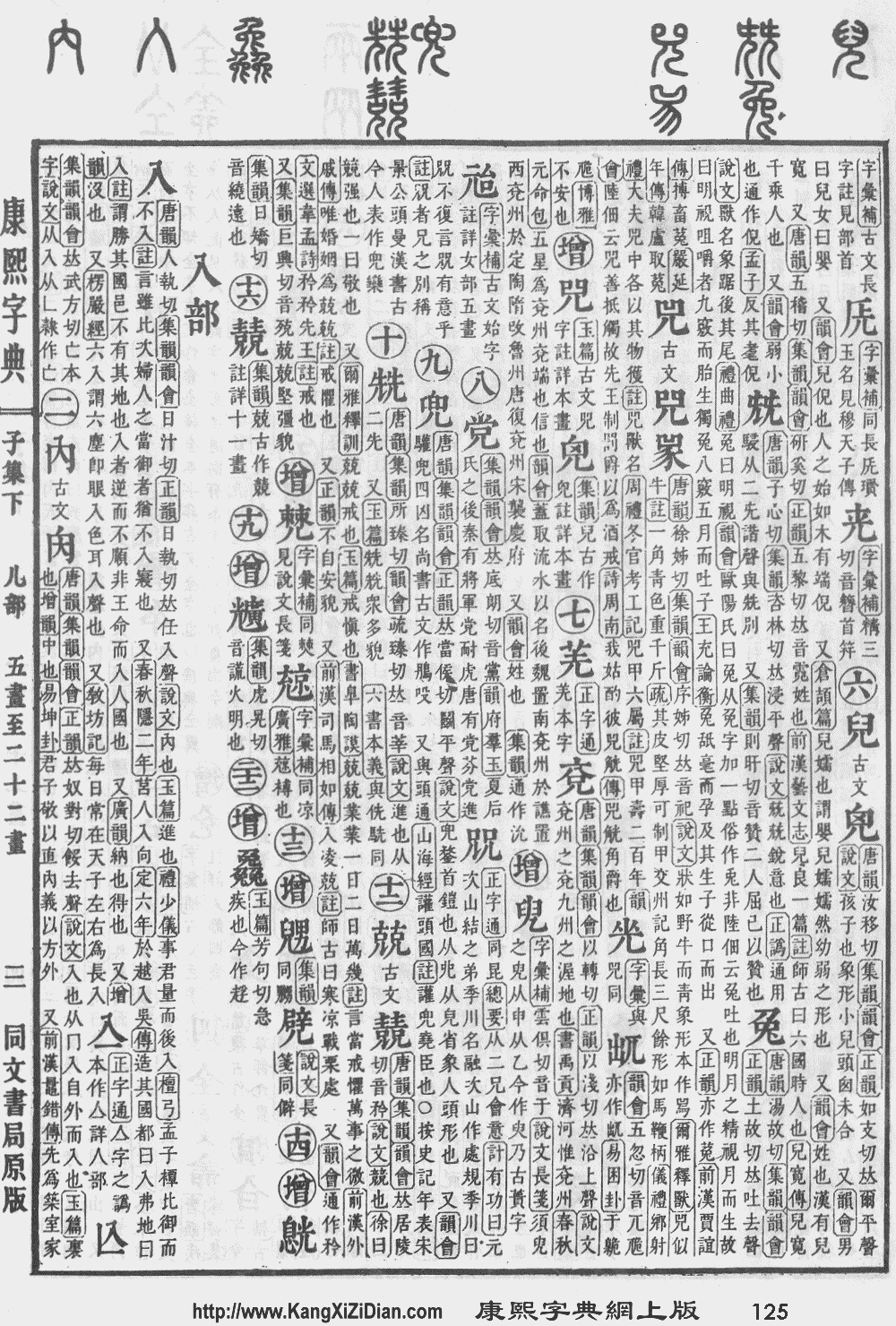
- Kangxi Dictionary: page 125, character 3
- Dai Kanwa Jiten: character 1365
- Dae Jaweon: page 265, character 6
- Hanyu Da Zidian (first edition): volume 1, page 272, character 5
- Unihan data for U+5152
Chinese
Glyph origin
| Historical forms of the character 兒 | |||||||||||||||||||||||||||||||||||||||||||||||||||||||||||||||||||||||||||||||
|---|---|---|---|---|---|---|---|---|---|---|---|---|---|---|---|---|---|---|---|---|---|---|---|---|---|---|---|---|---|---|---|---|---|---|---|---|---|---|---|---|---|---|---|---|---|---|---|---|---|---|---|---|---|---|---|---|---|---|---|---|---|---|---|---|---|---|---|---|---|---|---|---|---|---|---|---|---|---|---|
| Shang | Western Zhou | Warring States | Shuowen Jiezi (compiled in Han) | Liushutong (compiled in Ming) | |||||||||||||||||||||||||||||||||||||||||||||||||||||||||||||||||||||||||||
| Oracle bone script | Bronze inscriptions | Chu slip and silk script | Qin slip script | Small seal script | Transcribed ancient scripts | ||||||||||||||||||||||||||||||||||||||||||||||||||||||||||||||||||||||||||
 |
 |
 |
 |
 |
 | ||||||||||||||||||||||||||||||||||||||||||||||||||||||||||||||||||||||||||
|||||
|
References: Mostly from Richard Sears' Chinese Etymology site (authorisation),
| |||||||||||||||||||||||||||||||||||||||||||||||||||||||||||||||||||||||||||||||


Pictogram (象形) : an infant with an imperfect cranium (i.e. fontanelle).
Etymology 1
| trad. | 兒 | |
|---|---|---|
| simp. | 儿* | |
| alternative forms | 児 𠒇 𫤘 | |
From Proto-Sino-Tibetan *m/s-ŋa-j (“small; inferior; offspring”) (STEDT). Cognate with Burmese ငယ် (ngai, “little; young”), Jingpho shangai (ʃă³¹ ŋai³¹, “to give birth”).
According to Schuessler (2007), it may be an area word; compare Proto-Mon-Khmer *ŋa(i)k (“baby”), Proto-Bahnaric *ŋaː (“baby”), Khmer ង៉ា (ngaa, “infant; baby”). The word is also cognate with 倪 (OC *ŋeː, “small and weak”). 伢 is the southern dialectal form of 兒 (MC nye, “child; son”).
Pronunciation
Definitions
兒
- (now in compounds) child
- one's own child; son
- (now in compounds) (male) adolescent
- (attributive, of animals) male
- Non-syllabic noun diminutive suffix.
- Suffix after nouns that does not indicate diminutiveness.
- Suffix added to some verbs or adjectives to form nouns.
- Suffix after a limited number of verbs.
- Suffix after certain nouns that result in a different meaning from the unsuffixed form.
- Suffix after reduplicated adjectives.
Usage notes
- 儿 may be used to specially write erhua (or the rhotic sound) in traditional Chinese, in contrast with 兒/儿 (ér, “child”).
- 1950, 林濤 (Lin Tao), 定型化新文字 [Dingshinghua Sin Wenz], 2nd edition, 生活·讀書·新知三聯書店:
- 有人把拉丁化新文字的方案跟寫法看做神聖不可侵犯的東西,不准有一點儿改變 […]
- There are some who believe that the Latinxua Sin Wenz scheme and spelling are sacred things that should not be violated, and that there must not be even the tiniest bit of change […]
- r念“儿”只有“兒”“二”“而”這幾個字 […]
- When r is read as 儿, the only candidates are "child", "two", and "and" […]
- 儿 may be written as a smaller character.
- 1968, 趙元任 (Yuen Ren Chao), 語言問題 [Problems in Linguistics], 臺灣商務印書館, page 83:
- 固然平常念一個單字的時候,重音的音節在樂音上也是高一點儿,不過它不一定老是這個樣子。
- Admittedly, when pronouncing a word, the stressed syllable is, musically speaking, also a bit higher-pitched, but this is not necessarily always the case.
- 2001, 中華人民共和國教育部, 國家語言文字工作委員會, 第一批異形詞整理表 [The First Series of Standardized Forms of Words with Non-standardized Variant Forms], archived from the original on 3 August 2019, page 11:
- 红果儿(红*菓儿) hóngguǒr
Synonyms
Compounds
- 一點兒/一点儿 (yīdiǎnr)
- 主兒/主儿 (zhǔr)
- 乳兒/乳儿 (rǔ'ér)
- 乾兒/干儿
- 亂兒/乱儿 (luànr)
- 了兒/了儿
- 些兒/些儿
- 亮兒/亮儿
- 人兒/人儿
- 今兒/今儿 (jīnr)
- 佳兒/佳儿
- 侍兒/侍儿 (shì'ér)
- 信兒/信儿 (xìnr)
- 保兒/保儿
- 俞兒/俞儿
- 個兒/个儿 (gèr)
- 倈兒/俫儿
- 倍兒/倍儿
- 偷兒/偷儿
- 健兒/健儿 (jiàn'ér)
- 先兒/先儿
- 兒兒/儿儿
- 兒化/儿化 (érhuà)
- 兒啼/儿啼
- 兒夫/儿夫
- 兒女/儿女 (érnǚ)
- 兒媳/儿媳 (érxí)
- 兒嬉/儿嬉
- 兒子/儿子
- 兒孫/儿孙 (érsūn)
- 兒家/儿家
- 兒寬/儿宽
- 兒息/儿息
- 兒戲/儿戏 (érxì)
- 兒拜/儿拜
- 兒時/儿时 (érshí)
- 兒曹/儿曹
- 兒歌/儿歌 (érgē)
- 兒母/儿母
- 兒科/儿科 (érkē)
- 兒童/儿童 (értóng)
- 兒茶/儿茶 (érchá)
- 兒語/儿语
- 兒郎/儿郎 (érláng)
- 兒馬/儿马 (érmǎ)
- 兒齒/儿齿
- 六兒/六儿
- 冰棍兒/冰棍儿 (bīnggùnr)
- 刃兒/刃儿
- 分兒/分儿 (fēnr, fènr)
- 前兒/前儿 (qiánr)
- 勤兒/勤儿
- 勦兒/剿儿
- 包兒/包儿 (bāor)
- 包干兒
- 卜兒/卜儿
- 反犬旁兒/反犬旁儿 (fǎnquǎnpángr)
- 口兒/口儿
- 可兒/可儿 (Kě'ér)
- 合兒/合儿
- 吃兒/吃儿 (chīr)
- 名兒/名儿 (míngr)
- 咂兒/咂儿 (zār)
- 味兒/味儿 (wèir)
- 哥兒/哥儿 (gēr)
- 嗓兒/嗓儿
- 嗝兒/嗝儿
- 嗎兒/吗儿 (már)
- 嘎兒/嘎儿
- 嘴兒/嘴儿
- 圈兒/圈儿 (quānr)
- 坑兒/坑儿 (kēngr)
- 坎兒/坎儿
- 大褂兒/大褂儿 (dàguàr)
- 奚兒/奚儿
- 套兒/套儿 (tàor)
- 女兒/女儿 (nǚ'ér)
- 好兒/好儿
- 姐兒/姐儿 (jiěr)
- 妻兒/妻儿 (qī'ér)
- 姊兒/姊儿
- 娃兒/娃儿 (wár)
- 姪兒/侄儿
- 姨兒/姨儿 (yír)
- 娘兒/娘儿
- 婆兒/婆儿
- 媒兒/媒儿
- 媽兒/妈儿
- 嬌兒/娇儿 (jiāo'ér)
- 嬰兒/婴儿 (yīng'ér)
- 嬰兒車/婴儿车 (yīng'érchē)
- 子兒/子儿 (zǐr)
- 字眼兒/字眼儿 (zìyǎnr)
- 孤兒/孤儿 (gū'ér)
- 孩兒/孩儿
- 孫兒/孙儿 (sūn'ér)
- 官兒/官儿
- 寵兒/宠儿 (chǒng'ér)
- 封兒/封儿
- 小兒/小儿
- 小兒科/小儿科 (xiǎo'érkē)
- 小兒麻痺症/小儿麻痹症 (xiǎo'érmábìzhèng)
- 尖兒/尖儿 (jiānr)
- 屜兒/屉儿
- 岔兒/岔儿
- 帖兒/帖儿
- 帖木兒/帖木儿
- 帽兒/帽儿 (màor)
- 幡兒/幡儿
- 幫兒/帮儿
- 幺兒/幺儿 (yāo'ér)
- 幼兒/幼儿 (yòu'ér)
- 幼兒園/幼儿园 (yòu'éryuán)
- 幾兒/几儿
- 底兒/底儿
- 座兒/座儿 (zuòr)
- 廝兒/厮儿
- 龐兒/庞儿
- 弓兒/弓儿
- 影兒/影儿
- 後兒/后儿 (hòur)
- 徒兒/徒儿
- 忒兒/忒儿
- 性兒/性儿
- 愣兒/愣儿
- 成兒/成儿
- 戳兒/戳儿
- 手兒/手儿 (shǒur)
- 扣兒/扣儿 (kòur)
- 把兒/把儿
- 拘兒/拘儿
- 招兒/招儿 (zhāor)
- 拐兒/拐儿
- 捻兒/捻儿 (niǎnr)
- 撈兒/捞儿
- 撲兒/扑儿
- 擔兒/担儿 (dànr)
- 方兒/方儿
- 旋兒/旋儿 (xuánr)
- 旦兒/旦儿
- 明兒/明儿 (míngr)
- 昨兒/昨儿 (zuór)
- 星兒/星儿
- 會兒/会儿
- 末兒/末儿 (mòr)
- 材兒/材儿
- 東兒/东儿
- 枝兒/枝儿
- 板兒/板儿
- 果兒/果儿 (guǒr)
- 架兒/架儿
- 根兒/根儿 (gēnr)
- 條兒/条儿
- 桿兒/杆儿
- 棄兒/弃儿 (qì'ér)
- 樂兒/乐儿 (lèr)
- 標兒/标儿
- 槽兒/槽儿
- 樁兒/桩儿
- 款兒/款儿
- 母兒/母儿
- 比兒/比儿
- 汁兒/汁儿 (zhīr)
- 注兒
- 活兒/活儿 (huór)
- 洞兒/洞儿
- 渣兒/渣儿
- 準兒/准儿 (zhǔnr)
- 溜兒/溜儿
- 漂兒/漂儿 (piāor)
- 滾兒/滚儿
- 片兒/片儿
- 牙兒/牙儿
- 特兒/特儿
- 狗兒/狗儿 (gǒur)
- 猘兒/猘儿
- 猴兒/猴儿 (hóur)
- 猱兒/猱儿
- 猧兒/𰡏儿
- 玩兒/玩儿 (wánr)
- 玩意兒/玩意儿 (wányìr)
- 瓤兒/瓤儿 (rángr)
- 產兒/产儿 (chǎn'ér)
- 甸兒/甸儿
- 男兒/男儿 (nán'ér)
- 當兒/当儿 (dāngr)
- 痴兒/痴儿
- 盆兒/盆儿 (pénr)
- 盤兒/盘儿
- 盲兒/盲儿
- 盹兒/盹儿
- 短兒/短儿
- 破兒/破儿
- 碴兒/碴儿 (chár)
- 萬兒/万儿
- 稿兒/稿儿
- 穗兒/穗儿
- 空兒/空儿 (kòngr)
- 窩兒/窝儿
- 窳兒/窳儿
- 符兒/符儿
- 答兒/答儿
- 筷兒/筷儿 (kuàir)
- 箍兒/箍儿
- 篇兒/篇儿
- 簍兒/篓儿
- 粒兒/粒儿 (lìr)
- 細兒/细儿 (xì'ěr)
- 綑兒/捆儿
- 縫兒/缝儿
- 繭兒/茧儿
- 纂兒/纂儿
- 缸兒/缸儿 (gāngr)
- 羔兒/羔儿
- 義兒/义儿 (yì'ér)
- 翅兒/翅儿 (chìr)
- 老兒/老儿
- 肚兒/肚儿 (dǔr)
- 股兒/股儿
- 育兒/育儿 (yù'ér)
- 胎兒/胎儿 (tāi'ér)
- 胡兒/胡儿 (hú'ér)
- 腦兒/脑儿
- 臉兒/脸儿 (liǎnr)
- 臺兒莊/台兒莊/台儿庄 (Tái'érzhuāng)
- 芽兒/芽儿
- 苗兒/苗儿
- 萌兒/萌儿
- 葉兒/叶儿 (yèr)
- 落兒/落儿
- 虎兒/虎儿
- 蟲兒/虫儿 (chóngr)
- 衫兒/衫儿
- 襯兒/衬儿
- 角兒/角儿
- 話兒/话儿 (huàr)
- 試兒/试儿
- 語兒/语儿
- 調兒/调儿
- 謎兒/谜儿
- 譜兒/谱儿
- 豚兒/豚儿 (tún'ér)
- 貓兒/猫儿
- 貼兒/贴儿
- 趣兒/趣儿
- 跑兒/跑儿
- 跟兒/跟儿
- 路兒/路儿
- 蹦兒/蹦儿 (bèngr)
- 躉兒/趸儿
- 輪兒/轮儿 (lúnr)
- 轍兒/辙儿
- 這兒/这儿 (zhèr)
- 過兒/过儿
- 道兒/道儿 (dàor)
- 𰻞𰻞兒麵/𰻝𰻝儿面 (biángbiángrmiàn)
- 那兒/那儿 (nàr)
- 鄉下老兒/乡下老儿
- 醭兒/醭儿 (búr)
- 鏝兒/镘儿
- 閤兒/合儿
- 閣兒/阁儿
- 雄兒/雄儿
- 雌兒/雌儿
- 雛兒/雏儿
- 霜兒/霜儿
- 靨兒/靥儿
- 音兒/音儿
- 頭兒/头儿 (tóur)
- 顰兒/颦儿
- 風兒/风儿
- 餡兒/馅儿 (xiànr)
- 館兒/馆儿
- 驕兒/骄儿
- 鬙兒/鬙儿
- 䰖兒/𱆈儿
- 鬮兒/阄儿
- 魚兒/鱼儿
- 鴇兒/鸨儿
- 麟兒/麟儿 (lín'ér)
- 鼻兒/鼻儿
- 齣兒/出儿
Pronunciation
Definitions
兒
References
- “兒”, in 漢語多功能字庫 (Multi-function Chinese Character Database), 香港中文大學 (the Chinese University of Hong Kong), 2014–
Korean
Etymology 1
From Middle Chinese 兒 (MC nye).
| Historical Readings | ||
|---|---|---|
| Dongguk Jeongun Reading | ||
| Dongguk Jeongun, 1448 | Recorded as Middle Korean ᅀᅵᆼ (Yale: zì?) in Dongguk Jeongun (東國正韻 / 동국정운), 1448. | |
| Middle Korean | ||
| Text | Eumhun | |
| Gloss (hun) | Reading | |
| Hunmong Jahoe, 1527 | 아ᄒᆡ ᅀᆞ | Recorded as Middle Korean ᅀᆞ (zo) (Yale: zò) in Hunmong Jahoe (訓蒙字會 / 훈몽자회), 1527. |
| Gwangju Cheonjamun, 1575 | 아ᄒᆡ ᄋᆞ | Recorded as Middle Korean ᄋᆞ (o) (Yale: o) in Gwangju Cheonjamun (光州千字文 / 광주천자문), 1575. |
Pronunciation
- (SK Standard/Seoul) IPA(key): [a̠]
- Phonetic hangul: [아]
Compounds
Etymology 2
From Middle Chinese 兒 (MC ngej).
| Historical Readings | ||
|---|---|---|
| Dongguk Jeongun Reading | ||
| Dongguk Jeongun, 1448 | Recorded as Middle Korean 옝 (Yale: yey?) in Dongguk Jeongun (東國正韻 / 동국정운), 1448. | |
Pronunciation
- (SK Standard/Seoul) IPA(key): [je̞]
- Phonetic hangul: [예]
References
- 국제퇴계학회 대구경북지부 (國際退溪學會 大邱慶北支部) (2007). Digital Hanja Dictionary, 전자사전/電子字典.
- Supreme Court of the Republic of Korea (대한민국 대법원, Daehanmin'guk Daebeobwon) (2018). Table of hanja for personal names (인명용 한자표 / 人名用漢字表, Inmyeong-yong hanja-pyo), page 30.
Vietnamese
References
- Thiều Chửu (1942).
- Nguyễn (1974).
- Trần (1999).
- Trần (2004).