脱
See also: 脫
| ||||||||
Translingual
Han character
脱 (Kangxi radical 130, 肉+7, 11 strokes, cangjie input 月金口山 (BCRU), four-corner 78212, composition ⿰月兑(GJKV) or ⿰⺼兑(HT))
Related characters
- 脫 (Character used in Taiwan and South Korea)
Derived characters
- 𢴎, 𪷄, 𦢴, 𫌎
References
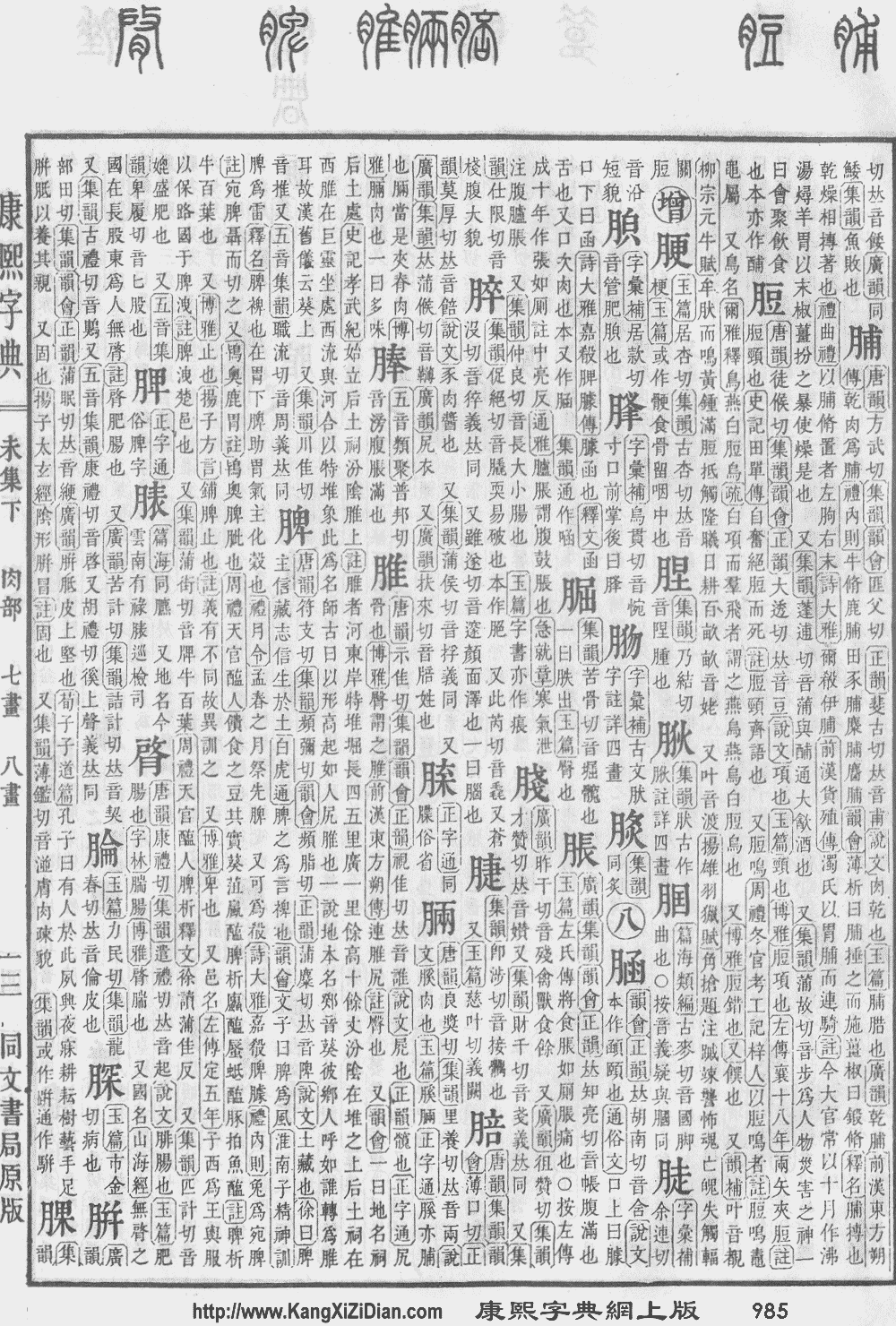
- Kangxi Dictionary: not present, would follow page 985, character 11
- Dai Kanwa Jiten: character 29539
- Hanyu Da Zidian (first edition): volume 3, page 2081, character 1
- Unihan data for U+8131
Chinese
| For pronunciation and definitions of 脱 – see 脫 (“to take off; to peel off; to strip; to get away from; to escape; to leave; to avoid; etc.”). (This character is the simplified and variant traditional form of 脫). |
Notes:
|
Japanese
| 脱 | |
| 脫 |
Readings
From Middle Chinese 脫 (MC dwat|thwat):
From Middle Chinese 脫 (MC thwaj):
From native Japanese roots:
Compounds
Etymology
| Kanji in this term |
|---|
| 脱 |
| だつ Grade: S |
| on’yomi |
| Alternative spelling |
|---|
| 脫 (kyūjitai) |
From Middle Chinese 脫 (MC dwat|thwat).
References
- Matsumura, Akira, editor (2006), 大辞林 [Daijirin] (in Japanese), Third edition, Tōkyō: Sanseidō, →ISBN
Vietnamese
Alternative forms
Han character
脱: Hán Việt readings: thoát (
脱: Nôm readings: thoắt[1][2][3], thoát[1][2], thoạt[1][3], thót[1]
References
- Nguyễn (2014).
- Nguyễn et al. (2009).
- Hồ (1976).
This article is issued from Wiktionary. The text is licensed under Creative Commons - Attribution - Sharealike. Additional terms may apply for the media files.