壤
See also: 壌
| ||||||||
Translingual
| Japanese | 壌 |
|---|---|
| Simplified | 壤 |
| Traditional | 壤 |
Han character
壤 (Kangxi radical 32, 土+17, 20 strokes, cangjie input 土卜口女 (GYRV), four-corner 40132, composition ⿰土襄)
Derived characters
- 𤅑
References
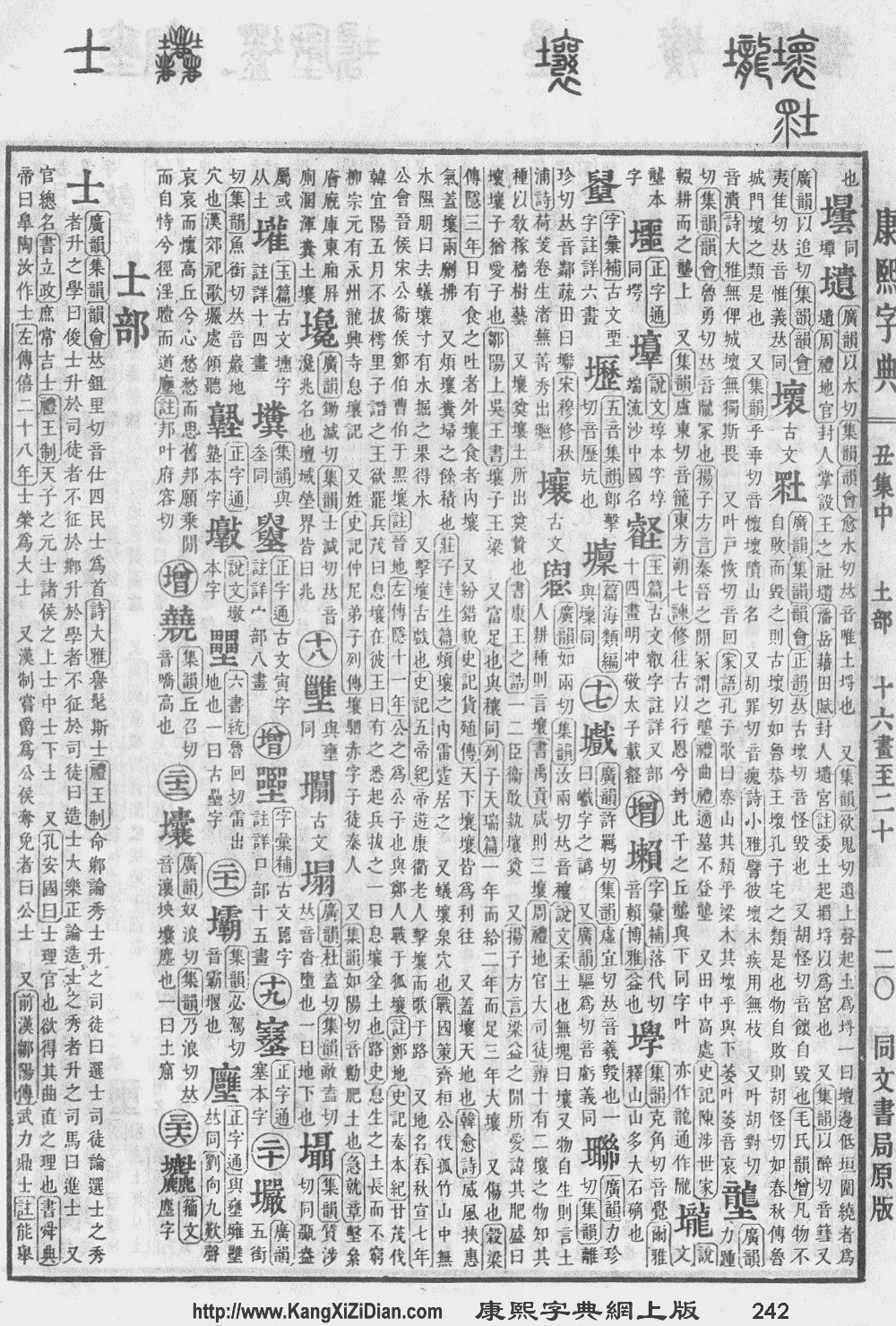
- Kangxi Dictionary: page 242, character 17
- Dai Kanwa Jiten: character 5608
- Dae Jaweon: page 482, character 13
- Hanyu Da Zidian (first edition): volume 1, page 501, character 11
- Unihan data for U+58E4
Chinese
Glyph origin
Characters in the same phonetic series (襄) (Zhengzhang, 2003)
| Old Chinese | |
|---|---|
| 囊 | *naːŋ |
| 蠰 | *naːŋ, *sraŋ, *hnjaŋs, *njaŋʔ |
| 曩 | *naːŋʔ |
| 灢 | *naːŋʔ, *naːŋs |
| 儾 | *naːŋs |
| 孃 | *naŋ, *njaŋ |
| 瓤 | *naŋ, *njaŋ |
| 鑲 | *naŋ, *njaŋ |
| 釀 | *naŋs |
| 瓖 | *snaŋ, *snaŋ |
| 驤 | *snaŋ |
| 襄 | *snaŋ |
| 纕 | *snaŋ |
| 忀 | *snaŋ |
| 欀 | *snaŋ, *njaŋs |
| 饟 | *hnjaŋ, *hnjaŋʔ, *hnjaŋs |
| 攘 | *njaŋ, *njaŋʔ, *njaŋs |
| 禳 | *njaŋ |
| 穰 | *njaŋ, *njaŋʔ |
| 躟 | *njaŋ, *njaŋʔ |
| 瀼 | *njaŋ |
| 獽 | *njaŋ |
| 儴 | *njaŋ |
| 蘘 | *njaŋ |
| 鬤 | *njaŋ, *rnaːŋ |
| 勷 | *njaŋ |
| 壤 | *njaŋʔ |
| 嚷 | *njaŋʔ |
| 讓 | *njaŋs |
| 懹 | *njaŋs |
| 攮 | *rnoːŋʔ |
Phono-semantic compound (形聲/形声, OC *njaŋʔ) : semantic 土 (“earth, dirt”) + phonetic 襄 (OC *snaŋ).
Pronunciation 1
| simp. and trad. |
壤 | |
|---|---|---|
| 2nd round simp. | 圵 | |
Definitions
壤
Compounds
- 僻壤 (pìrǎng)
- 僻壤窮鄉/僻壤穷乡
- 判如天壤
- 土壤 (tǔrǎng)
- 土壤保持
- 土壤學/土壤学 (tǔrǎngxué)
- 土壤汙染/土壤污染 (tǔrǎng wūrǎn)
- 土壤沖蝕/土壤冲蚀
- 土壤細流/土壤细流
- 墳壤/坟壤
- 壤土 (rǎngtǔ)
- 壤地 (rǎngdì)
- 壤壤
- 壤子
- 壤父
- 天壤
- 天壤之判
- 天壤之別/天壤之别 (tiānrǎngzhībié)
- 天壤王郎
- 封壤
- 平壤 (Píngrǎng, “Pyongyang”)
- 息壤
- 接壤 (jiērǎng)
- 擊壤/击壤
- 擊壤歌/击壤歌
- 擊壤鼓腹/击壤鼓腹
- 朽壤
- 泉壤 (quánrǎng)
- 浩壤
- 熙熙壤壤
- 皋壤
- 穹壤
- 窮山僻壤/穷山僻壤
- 窮鄉僻壤/穷乡僻壤 (qióngxiāngpìrǎng)
- 糞壤/粪壤
- 糞壤窟室/粪壤窟室
- 紅壤/红壤 (hóngrǎng)
- 膏壤
- 蓋壤/盖壤
- 豐壤/丰壤
- 迥隔霄壤
- 遐方絕壤/遐方绝壤
- 霄壤
- 霄壤之別/霄壤之别
- 霄壤之殊
- 黃壤/黄壤
- 鼠壤
References
- “壤”, in 漢語多功能字庫 (Multi-function Chinese Character Database), 香港中文大學 (the Chinese University of Hong Kong), 2014–
Japanese
| 壌 | |
| 壤 |
Kanji
壤
(uncommon “Hyōgai” kanji, kyūjitai kanji, shinjitai form 壌)
- This term needs a translation to English. Please help out and add a translation, then remove the text
{{rfdef}}.
Korean
Etymology
From Middle Chinese 壤 (MC nyangX).
| Historical readings |
|---|
|
Pronunciation
- (SK Standard/Seoul) IPA(key): [ja̠(ː)ŋ]
- Phonetic hangul: [양(ː)]
- Though still prescribed in Standard Korean, most speakers in both Koreas no longer distinguish vowel length.
Vietnamese
Han character
壤: Hán Nôm readings: nhưỡng
- This term needs a translation to English. Please help out and add a translation, then remove the text
{{rfdef}}.
This article is issued from Wiktionary. The text is licensed under Creative Commons - Attribution - Sharealike. Additional terms may apply for the media files.