態
| ||||||||
Translingual
Han character
態 (Kangxi radical 61, 心+10, 14 strokes, cangjie input 戈心心 (IPP), four-corner 21331, composition ⿱能心)
Descendants
References
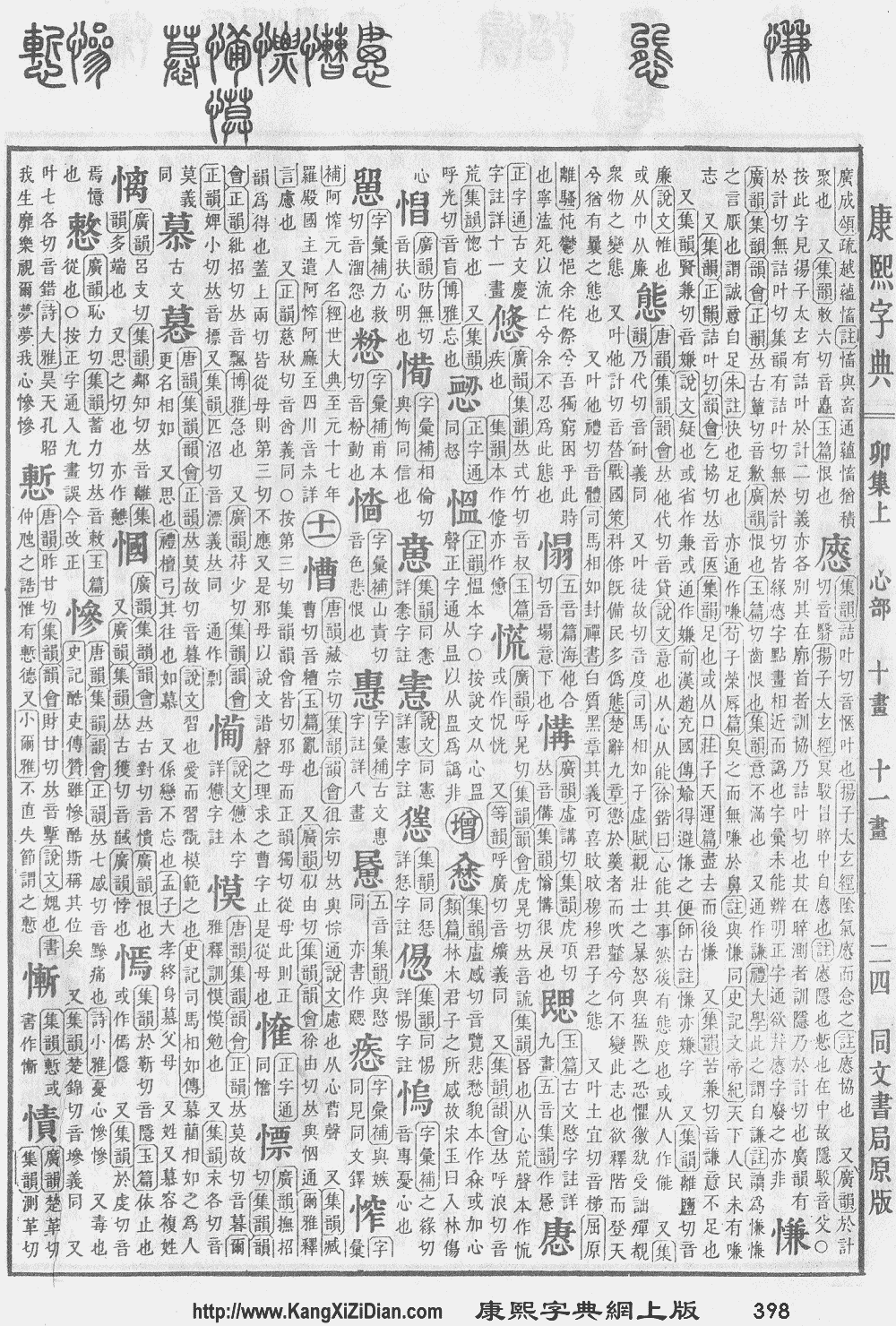
- Kangxi Dictionary: page 398, character 3
- Dai Kanwa Jiten: character 11052
- Dae Jaweon: page 737, character 4
- Hanyu Da Zidian (first edition): volume 4, page 2335, character 7
- Unihan data for U+614B
Chinese
| trad. | 態 | |
|---|---|---|
| simp. | 态 | |
| alternative forms | 㑷 𱞄 ⿰亻𫧇 | |
Glyph origin
Characters in the same phonetic series (能) (Zhengzhang, 2003)
Phono-semantic compound (形聲/形声, OC *n̥ʰɯːs) : phonetic 能 (OC *nɯː, *nɯːs, *nɯːŋ, *nɯːŋʔ) + semantic 心 (“heart”) – one’s heart-felt attitude.
Pronunciation
Definitions
態
Compounds
- 一反常態/一反常态 (yīfǎnchángtài)
- 三態/三态
- 不勝之態/不胜之态
- 世態/世态 (shìtài)
- 世態人情/世态人情
- 世態炎涼/世态炎凉 (shìtàiyánliáng)
- 事態/事态 (shìtài)
- 交態/交态
- 低姿態/低姿态 (dīzītài)
- 作態/作态 (zuòtài)
- 像態/像态
- 儀態/仪态 (yítài)
- 儀態萬千/仪态万千
- 儀態萬方/仪态万方
- 兒女態/儿女态
- 凝態/凝态
- 動態/动态 (dòngtài)
- 動態助詞/动态助词 (dòngtài zhùcí)
- 動態平衡/动态平衡 (dòngtài pínghéng)
- 千嬌百態/千娇百态
- 千態萬狀/千态万状
- 千狀萬態/千状万态
- 取態/取态 (qǔtài)
- 固態/固态 (gùtài)
- 型態/型态 (xíngtài)
- 失態/失态 (shītài)
- 女兒意態/女儿意态
- 女兒態/女儿态
- 姿態/姿态 (zītài)
- 媚態/媚态 (mèitài)
- 嬌態/娇态 (jiāotài)
- 完全變態/完全变态
- 容態/容态 (róngtài)
- 富態/富态
- 小兒之態/小儿之态
- 尤態/尤态
- 層態/层态
- 巔峰狀態/巅峰状态
- 常態/常态 (chángtài)
- 常態分班/常态分班
- 常態法/常态法
- 形態/形态 (xíngtài)
- 形態學/形态学 (xíngtàixué)
- 心態/心态 (xīntài)
- 心理變態/心理变态
- 忸怩作態/忸怩作态
- 性變態/性变态
- 情態/情态 (qíngtài)
- 惺惺作態/惺惺作态 (xīngxīngzuòtài)
- 意態/意态 (yìtài)
- 意識型態/意识型态
- 意識形態/意识形态 (yìshí xíngtài)
- 態勢/态势 (tàishì)
- 態度/态度 (tàidù)
- 態度冷靜/态度冷静
- 態度嚴肅/态度严肃
- 憨態/憨态
- 故態/故态
- 故態復萌/故态复萌 (gùtàifùméng)
- 柔情綽態/柔情绰态
- 殊豔尤態/殊艳尤态
- 氣態/气态 (qìtài)
- 氣態溶液/气态溶液
- 淫情浪態/淫情浪态
- 液態/液态 (yètài)
- 液態氧/液态氧
- 液態溶液/液态溶液
- 炎涼世態/炎凉世态
- 物態/物态 (wùtài)
- 物質三態/物质三态
- 狂奴故態/狂奴故态
- 狂態/狂态
- 狀態/状态 (zhuàngtài)
- 狀態詞/状态词 (zhuàngtàicí)
- 玻璃狀態/玻璃状态
- 生態/生态 (shēngtài)
- 生態地位/生态地位
- 生態工程/生态工程 (shēngtài gōngchéng)
- 生態平衡/生态平衡 (shēngtài pínghéng)
- 生態環境/生态环境 (shēngtài huánjìng)
- 生態系/生态系 (shēngtàixì)
- 生態結構/生态结构 (shēngtài jiégòu)
- 生態農業/生态农业 (shēngtài nóngyè)
- 生活型態/生活型态 (shēnghuó xíngtài)
- 生活態度/生活态度
- 異態/异态
- 病態/病态 (bìngtài)
- 盡態極妍/尽态极妍
- 社會病態/社会病态
- 神態/神态 (shéntài)
- 神態自如/神态自如
- 神態自若/神态自若
- 窘態/窘态 (jiǒngtài)
- 窘態畢露/窘态毕露
- 窘態百出/窘态百出
- 緊急狀態/紧急状态 (jǐnjí zhuàngtài)
- 老態/老态
- 老態龍鍾/老态龙钟 (lǎotàilóngzhōng)
- 膠著狀態/胶著状态
- 自然生態/自然生态
- 舊態復萌/旧态复萌
- 舞態生風/舞态生风
- 表態/表态 (biǎotài)
- 表態句/表态句
- 裝腔作態/装腔作态
- 觀念形態/观念形态 (guānniàn xíngtài)
- 變態/变态 (biàntài)
- 變態心理/变态心理
- 超固態/超固态 (chāogùtài)
- 逸態橫生/逸态横生
- 醉態/醉态 (zuìtài)
- 醜態/丑态 (chǒutài)
- 醜態畢露/丑态毕露
- 醜態百出/丑态百出
- 靜態/静态 (jìngtài)
- 靜態說/静态说
- 風態/风态
- 風雲變態/风云变态
- 飽和狀態/饱和状态
- 體態/体态 (tǐtài)
- 體態輕盈/体态轻盈
- 高情逸態/高情逸态
References
- “態”, in 漢語多功能字庫 (Multi-function Chinese Character Database), 香港中文大學 (the Chinese University of Hong Kong), 2014–
Japanese
Noun
態 • (tai)
Korean
Etymology
(This etymology is missing or incomplete. Please add to it, or discuss it at the Etymology scriptorium. Particularly: “Middle Korean readings, if any”)
Pronunciation
- (SK Standard/Seoul) IPA(key): [tʰɛ] ~ [tʰe̞]
- Phonetic hangul: [태/테]
Vietnamese
This article is issued from Wiktionary. The text is licensed under Creative Commons - Attribution - Sharealike. Additional terms may apply for the media files.