籲
| ||||||||
Translingual
Han character
籲 (Kangxi radical 118, 竹+26, 32 strokes, cangjie input 竹人月金 (HOBC), four-corner 81286, composition ⿱𥫗龥)
References
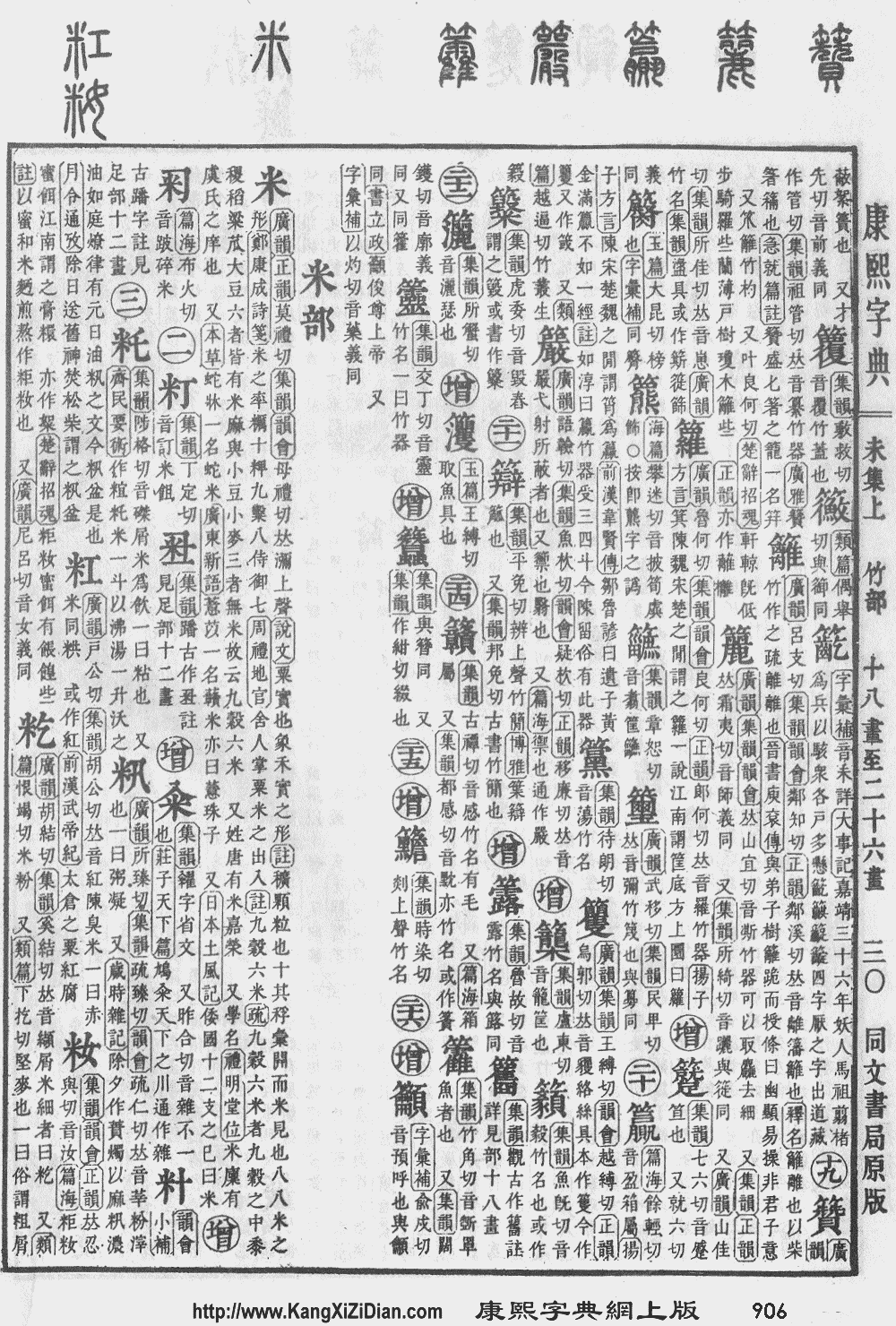
- Kangxi Dictionary: not present, would follow page 906, character 30
- Dai Kanwa Jiten: character 26831
- Dae Jaweon: page 1331, character 27
- Hanyu Da Zidian (first edition): volume 8 (in addendum), page 34, character 7
- Unihan data for U+7C72
Chinese
| trad. | 籲/龥 | |
|---|---|---|
| simp. | 吁* | |
| alternative forms | 𥸤 | |
Glyph origin
Characters in the same phonetic series (龠) (Zhengzhang, 2003)
Phono-semantic compound (形聲/形声, OC *los) : phonetic 籥 (OC *lowɢ) + semantic 頁 (“head”).
Pronunciation
Definitions
籲
Japanese
Korean
Hanja
籲 (eum 유 (yu))
- This term needs a translation to English. Please help out and add a translation, then remove the text
{{rfdef}}.
Vietnamese
This article is issued from Wiktionary. The text is licensed under Creative Commons - Attribution - Sharealike. Additional terms may apply for the media files.