贖
| ||||||||
Translingual
| Traditional | 贖 |
|---|---|
| Shinjitai (extended) |
⿰貝売 |
| Simplified | 赎 |
Han character
贖 (Kangxi radical 154, 貝+15, 22 strokes, cangjie input 月金土田金 (BCGWC), four-corner 64886, composition ⿰貝賣)
References
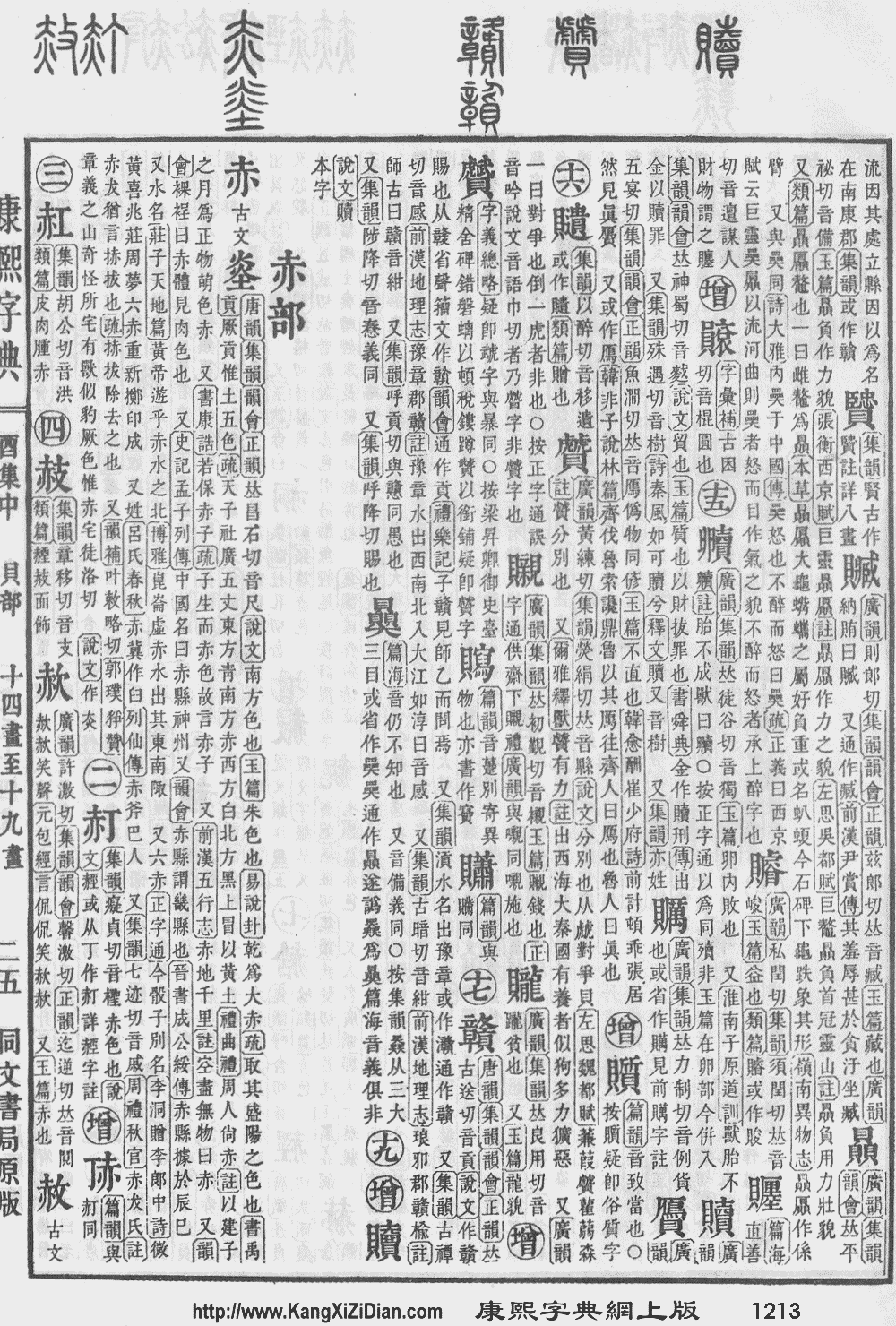
- Kangxi Dictionary: page 1213, character 8
- Dai Kanwa Jiten: character 36970
- Dae Jaweon: page 1679, character 24
- Hanyu Da Zidian (first edition): volume 6, page 3660, character 10
- Unihan data for U+8D16
Chinese
| trad. | 贖 | |
|---|---|---|
| simp. | 赎 | |
| alternative forms | 𧹎 | |
Glyph origin
| Historical forms of the character 贖 | |||
|---|---|---|---|
| Western Zhou | Warring States | Shuowen Jiezi (compiled in Han) | Liushutong (compiled in Ming) |
| Bronze inscriptions | Qin slip script | Small seal script | Transcribed ancient scripts |
 |
 |
 |
 |
Characters in the same phonetic series (𧶠) (Zhengzhang, 2003)
Phono-semantic compound (形聲/形声, OC *ɦljoɡ) : semantic 貝 (“shell”) + phonetic 𧶠 (OC *luɡ); the phonetic was originally 𧷏 and has later become graphically identical to the unrelated 賣.
Etymology
From Proto-Sino-Tibetan *b-lu-t-s (“to ransom; to buy off”); compare Tibetan བླུ (blu) (STEDT; Schuessler, 2007).
Pronunciation
Japanese
| ⿰貝売 | |
| 贖 |
Kanji
贖
(uncommon “Hyōgai” kanji, kyūjitai kanji, shinjitai form ⿰貝売)
- This term needs a translation to English. Please help out and add a translation, then remove the text
{{rfdef}}.
Korean
Hanja
贖 • (sok) (hangeul 속, revised sok, McCune–Reischauer sok, Yale sok)
- washing away your sin, 속죄하다
- clearing your debt by offering money, wealth or effort, 속바치다
This article is issued from Wiktionary. The text is licensed under Creative Commons - Attribution - Sharealike. Additional terms may apply for the media files.