憢
| ||||||||
Translingual
Han character
憢 (Kangxi radical 61, 心+12, 15 strokes, cangjie input 心土土山 (PGGU), four-corner 94011, composition ⿰忄堯)
References
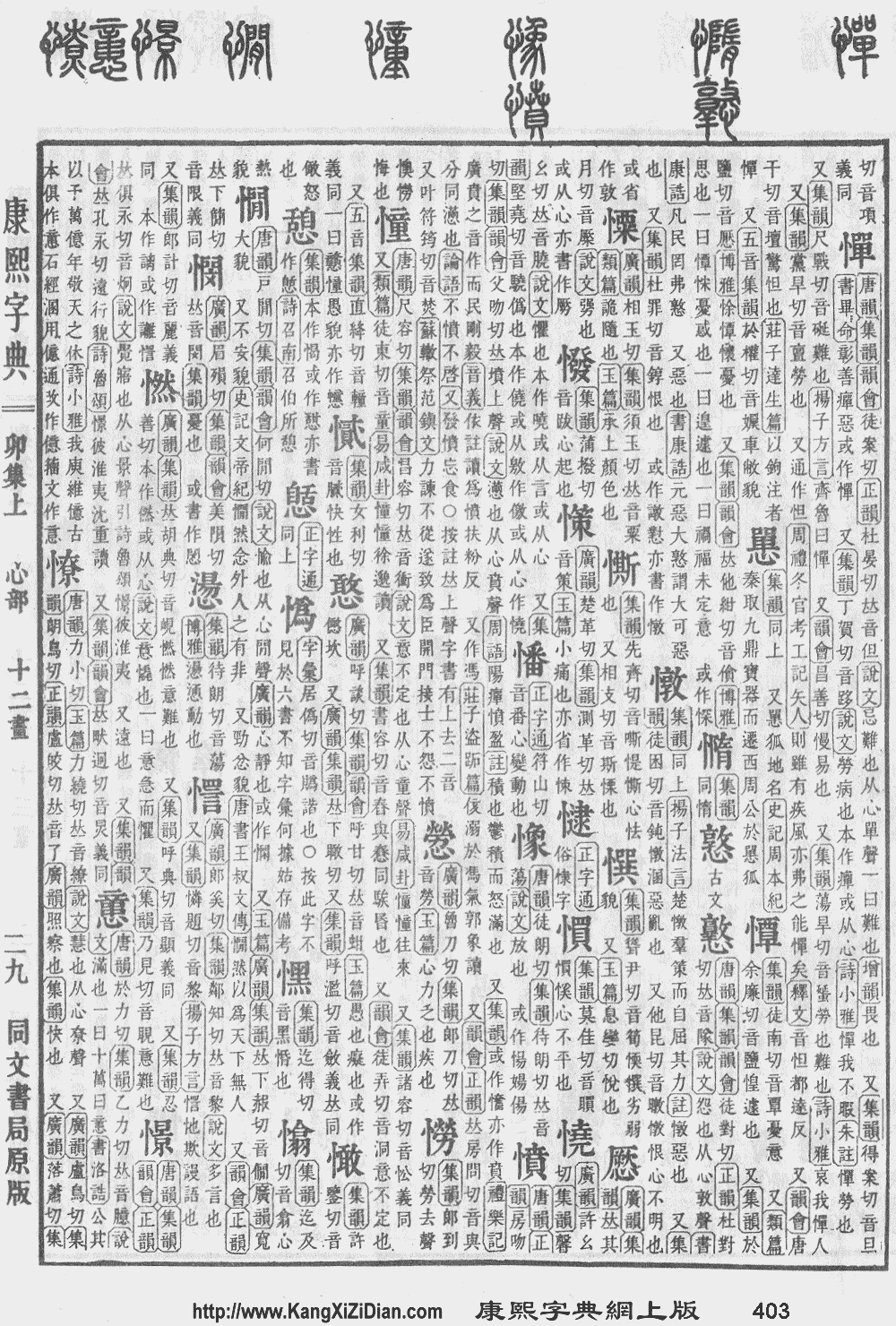
- Kangxi Dictionary: page 403, character 16
- Dai Kanwa Jiten: character 11236
- Dae Jaweon: page 743, character 17
- Hanyu Da Zidian (first edition): volume 4, page 2352, character 8
- Unihan data for U+61A2
Chinese
Glyph origin
Characters in the same phonetic series (垚) (Zhengzhang, 2003)
| Old Chinese | |
|---|---|
| 撓 | *hŋaːw, *rŋaːw, *rnaːwʔ |
| 鐃 | *rŋaːw |
| 譊 | *rŋaːw |
| 橈 | *rŋaːws, *ŋjew |
| 磽 | *ŋ̊ʰreːw, *ŋreːws, *ŋ̊ʰeːwʔ |
| 墝 | *ŋ̊ʰreːw |
| 穘 | *hŋreːw |
| 顤 | *hŋreːw, *ŋeːws |
| 燒 | *hŋjew, *hŋjaws |
| 饒 | *ŋjew, *ŋjaws |
| 蟯 | *ŋjew, *ʔŋew |
| 蕘 | *ŋjew |
| 襓 | *ŋjew |
| 繞 | *ŋjewʔ, *ŋjaws |
| 遶 | *ŋjewʔ |
| 嬈 | *njewʔ, *neːwʔ, *hŋeːws |
| 趬 | *ŋ̊ʰew, *ŋ̊ʰews |
| 蹺 | *ŋ̊ʰew |
| 翹 | *ɡew, *ɡews |
| 澆 | *ŋkeːw, *ŋeːws |
| 驍 | *ŋkeːw |
| 僥 | *kŋeːwʔ, *ŋeːw |
| 堯 | *ŋeːw |
| 垚 | *ŋeːw |
| 嶢 | *ŋeːw |
| 獟 | *ŋeːws |
| 膮 | *hŋeːw, *hŋeːwʔ |
| 嘵 | *hŋeːw |
| 憢 | *hŋeːw |
| 曉 | *hŋeːwʔ |
| 皢 | *hŋeːwʔ |
Pronunciation
Pronunciation
Vietnamese
Han character
- This term needs a translation to English. Please help out and add a translation, then remove the text
{{rfdef}}.
References
This article is issued from Wiktionary. The text is licensed under Creative Commons - Attribution - Sharealike. Additional terms may apply for the media files.