術
See also: 术
| ||||||||
Translingual
Han character
術 (Kangxi radical 144, 行+5, 11 strokes, cangjie input 竹人戈金弓 (HOICN) or 竹人戈木弓 (HOIDN), four-corner 21904, composition ⿴行术(G) or ⿲彳术亍(G) or ⿴行朮(HTJKV) or ⿲彳朮亍(HTJKV))
Derived characters
- 𣻚, 𦸇, 𪨜
Related characters
References
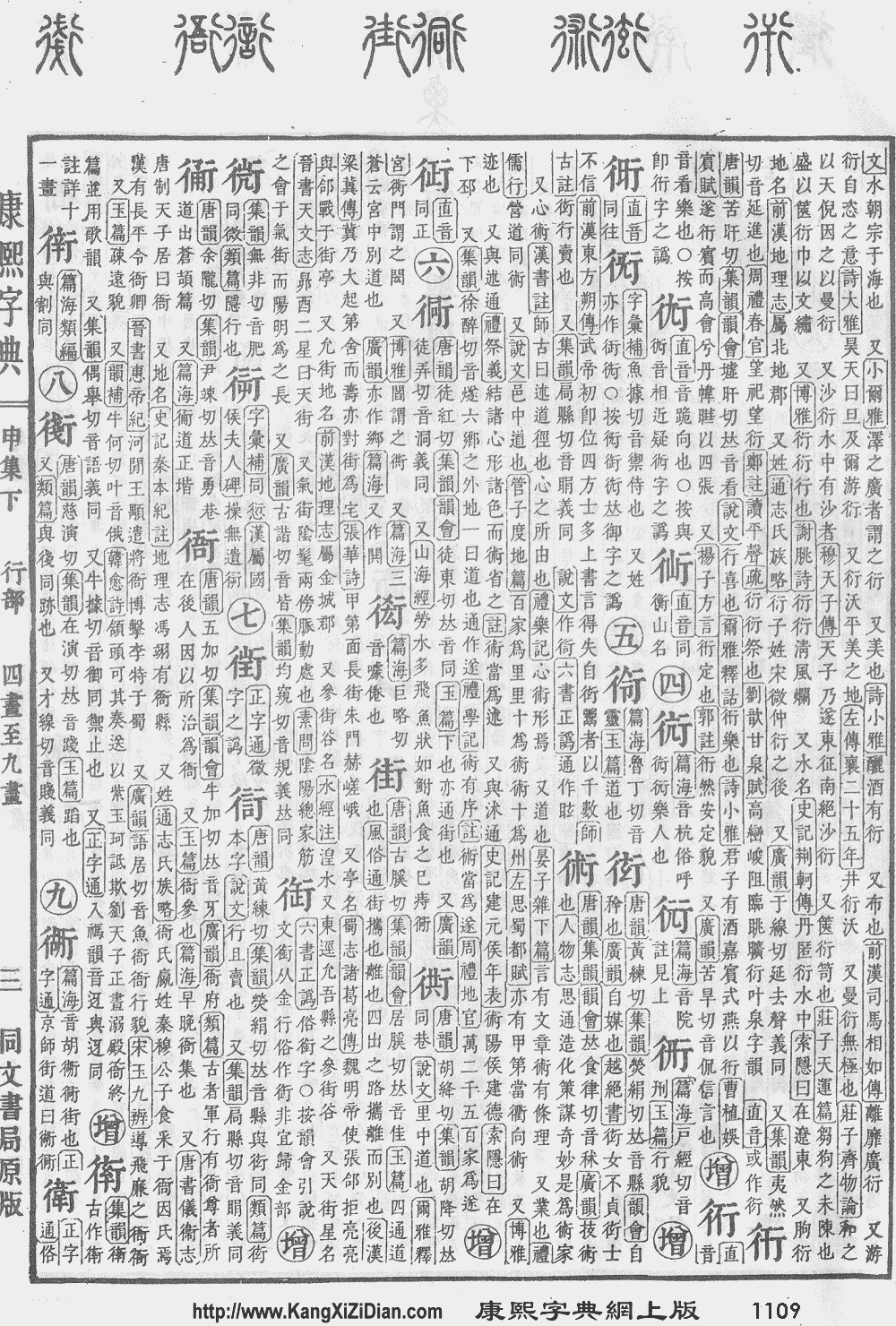
- Kangxi Dictionary: page 1109, character 12
- Dai Kanwa Jiten: character 34046
- Dae Jaweon: page 1573, character 13
- Hanyu Da Zidian (first edition): volume 2, page 826, character 13
- Unihan data for U+8853
Chinese
| trad. | 術 | |
|---|---|---|
| simp. | 术* | |
| alternative forms | 𰐱 | |
Glyph origin
Characters in the same phonetic series (朮) (Zhengzhang, 2003)
Phono-semantic compound (形聲/形声, OC *ɦljud) : semantic 行 (“street, path”) + phonetic 朮 (OC *l'ud, *ɦljud).
Pronunciation
Definitions
術
Compounds
- 不學亡術/不学亡术
- 不學無術/不学无术 (bùxuéwúshù)
- 丟包術/丢包术
- 九章算術/九章算术
- 人海戰術/人海战术 (rénhǎi zhànshù)
- 仁心仁術/仁心仁术 (rénxīnrénshù)
- 仁術/仁术 (rénshù)
- 仙術/仙术 (xiānshù)
- 催眠術/催眠术 (cuīmiánshù)
- 儒術/儒术 (rúshù)
- 光藝術/光艺术
- 出術/出术
- 分筋術/分筋术
- 分身乏術/分身乏术 (fēnshēnfáshù)
- 分身術/分身术 (fēnshēnshù)
- 刮宮術/刮宫术
- 剖腹手術/剖腹手术
- 劍術/剑术 (jiànshù)
- 動手術/动手术 (dòng shǒushù)
- 動畫藝術/动画艺术
- 占星術 (zhānxīngshù)
- 印刷術/印刷术 (yìnshuāshù)
- 原始藝術/原始艺术
- 咒術/咒术
- 回天乏術/回天乏术
- 回生乏術/回生乏术
- 國術/国术 (guóshù)
- 國術館/国术馆
- 堪輿術/堪舆术
- 外科手術/外科手术
- 太空藝術/太空艺术
- 女性藝術/女性艺术
- 妖術/妖术 (yāoshù)
- 妖術惑眾/妖术惑众
- 妖術邪法/妖术邪法
- 學術/学术 (xuéshù)
- 學術研究/学术研究
- 學術網路/学术网路
- 學術自由/学术自由 (xuéshù zìyóu)
- 導引之術/导引之术
- 導氣之術/导气之术
- 小眾藝術/小众艺术
- 工藝美術/工艺美术 (gōngyì měishù)
- 巫術/巫术 (wūshù)
- 平面藝術/平面艺术
- 幻術/幻术 (huànshù)
- 形象藝術/形象艺术
- 心術/心术 (xīnshù)
- 心術不正/心术不正
- 忍術/忍术 (rěnshù)
- 惑術/惑术
- 成名術/成名术
- 戰術/战术 (zhànshù)
- 房中術/房中术
- 手術/手术 (shǒushù)
- 手術室/手术室 (shǒushùshì)
- 技術/技术 (jìshù)
- 技術人員/技术人员 (jìshù rényuán)
- 技術作物/技术作物
- 技術分析/技术分析 (jìshùfēnxī)
- 技術合作/技术合作
- 技術員/技术员 (jìshùyuán)
- 技術性/技术性 (jìshùxìng)
- 技術犯規/技术犯规
- 技術降落/技术降落
- 拳術/拳术 (quánshù)
- 拼貼藝術/拼贴艺术
- 摘綿術/摘绵术
- 數位藝術/数位艺术
- 整容術/整容术
- 數術/数术
- 新藝術/新艺术
- 方術/方术 (fāngshù)
- 星術/星术
- 時間藝術/时间艺术
- 普普藝術/普普艺术 (pǔpǔyìshù)
- 智術/智术 (zhìshù)
- 柔術/柔术 (róushù)
- 植皮手術/植皮手术
- 權術/权术 (quánshù)
- 歐普藝術/欧普艺术
- 武術/武术 (wǔshù)
- 武術指導/武术指导
- 民間藝術/民间艺术
- 江湖術士/江湖术士
- 江湖術語/江湖术语
- 法術/法术 (fǎshù)
- 治術/治术
- 法術無邊/法术无边
- 洞窟美術/洞窟美术
- 焊接藝術/焊接艺术
- 煉丹術/炼丹术 (liàndānshù)
- 現代藝術/现代艺术
- 產婆術/产婆术
- 登龍術/登龙术
- 盤術/盘术
- 相術/相术 (xiàngshù)
- 神機妙術/神机妙术
- 神術妙法/神术妙法
- 神術妙策/神术妙策
- 神術妙計/神术妙计
- 視覺藝術/视觉艺术 (shìjué yìshù)
- 空間藝術/空间艺术
- 第九藝術/第九艺术
- 第八藝術/第八艺术
- 算術/算术 (suànshù)
- 算術和/算术和
- 算術級數/算术级数
- 細術/细术
- 經濟技術開發區/经济技术开发区 (jīngjì jìshù kāifāqū)
- 經術/经术 (jīngshù)
- 綜合藝術/综合艺术
- 美容術/美容术
- 美術/美术 (měishù)
- 美術史/美术史 (měishùshǐ)
- 美術品/美术品 (měishùpǐn)
- 美術大師/美术大师
- 美術字/美术字 (měishùzì)
- 美術家/美术家 (měishùjiā)
- 美術燈/美术灯
- 美術節/美术节
- 美術設計/美术设计
- 美術電影/美术电影
- 美術館/美术馆 (měishùguǎn)
- 聖術/圣术 (shèngshù)
- 腹語術/腹语术 (fùyǔshù)
- 舞臺藝術/舞台艺术
- 蔽形術/蔽形术
- 藝術/艺术
- 藝術品/艺术品 (yìshùpǐn)
- 藝術字/艺术字 (yìshùzì)
- 藝術季/艺术季
- 藝術家/艺术家 (yìshùjiā)
- 藝術性/艺术性 (yìshùxìng)
- 藝術指導/艺术指导
- 藝術歌曲/艺术歌曲
- 藝術界/艺术界 (yìshùjiè)
- 藝術館/艺术馆
- 蟻術/蚁术
- 行為藝術/行为艺术 (xíngwéi yìshù)
- 術士/术士 (shùshì)
- 術德兼修/术德兼修
- 術數/术数 (shùshù)
- 術業/术业
- 術科/术科
- 術藝/术艺
- 術語/术语 (shùyǔ)
- 詐術/诈术
- 讀脣術/读唇术
- 變性手術/变性手术
- 變魔術/变魔术
- 軟技術/软技术
- 辯論術/辩论术
- 返魂乏術/返魂乏术 (fǎnhúnfáshù)
- 造形藝術/造形艺术
- 道術/道术 (dàoshù)
- 遙測技術/遥测技术
- 邪術/邪术 (xiéshù)
- 鄉土藝術/乡土艺术
- 醫術/医术 (yīshù)
- 鍊金術/炼金术 (liànjīnshù)
- 隱身術/隐身术
- 電影美術/电影美术
- 電影藝術/电影艺术
- 電腦藝術/电脑艺术
- 霸術/霸术
- 靈術/灵术
- 顯微手術/显微手术 (xiǎnwēi shǒushù)
- 養顏有術/养颜有术
- 馬術/马术 (mǎshù)
- 駐顏有術/驻颜有术
- 騎術/骑术 (qíshù)
- 騙術/骗术 (piànshù)
- 魔術/魔术 (móshù)
- 魔術師/魔术师 (móshùshī)
- 魔術數字/魔术数字
- 魔術方塊/魔术方块 (móshù fāngkuài)
- 魔術蛇/魔术蛇
- 黃白之術/黄白之术
- 黃老治術/黄老治术
- 齊民要術/齐民要术
References
- “術”, in 漢語多功能字庫 (Multi-function Chinese Character Database), 香港中文大學 (the Chinese University of Hong Kong), 2014–
- (Min Nan) “Entry #7864”, in 臺灣閩南語常用詞辭典 [Dictionary of Frequently-Used Taiwan Minnan] (overall work in Mandarin and Hokkien), Ministry of Education, R.O.C., 2023.
Japanese
| Shinjitai | 術 | |
| Kyūjitai [1] |
術󠄁 術+ 󠄁?(Adobe-Japan1) |
 |
| 術󠄃 術+ 󠄃?(Hanyo-Denshi) (Moji_Joho) | ||
| The displayed kanji may be different from the image due to your environment. See here for details. | ||
Readings
Compounds
Compounds
- 馬術 (bajutsu): horseback riding, equestrianism
- 医術 (ijutsu)
- 技術 (gijutsu)
- 芸術 (geijutsu)
- 権謀術数 (kenbō jussū)
- 幻術 (genjutsu): illusion, sleight of hand, magic tricks
- 施術 (sejutsu)
- 手術 (shujutsu)
- 呪術 (jujutsu): black magic
- 柔術 (jūjutsu)
- 術業 (jutsugyō)
- 術計 (jukkei)
- 術後 (jutsugo)
- 術語 (jutsugo)
- 体術 (taijutsu): martial arts, unarmed combat
- 術策 (jussaku)
- 術式 (jutsushiki)
- 術数 (jussū)
- 術知 (jutsuchi)
- 術中 (jutsuchū)
- 戦術 (senjutsu)
- 忍術 (ninjutsu)
Etymology 1
| Kanji in this term |
|---|
| 術 |
| じゅつ Grade: 5 |
| goon |
From Middle Chinese 術 (MC zywit). First cited in Japanese to 920.[2]
Pronunciation
Etymology 2
| Kanji in this term |
|---|
| 術 |
| すべ Grade: 5 |
| kun’yomi |
(This etymology is missing or incomplete. Please add to it, or discuss it at the Etymology scriptorium.)
Pronunciation
References
- Haga, Gōtarō (1914) 漢和大辞書 [The Great Kanji-Japanese Dictionary] (in Japanese), Fourth edition, Tōkyō: Kōbunsha, , page 1912 (paper), page 1008 (digital)
- “術”, in 日本国語大辞典 (Nihon Kokugo Daijiten, “Nihon Kokugo Daijiten”) (in Japanese), concise edition, Tōkyō: Shogakukan, 2000
- Matsumura, Akira, editor (2006), 大辞林 [Daijirin] (in Japanese), Third edition, Tōkyō: Sanseidō, →ISBN
Korean
Etymology
From Middle Chinese 術 (MC zywit).
| Historical readings |
|---|
|
Pronunciation
- (SK Standard/Seoul) IPA(key): [sʰuɭ]
- Phonetic hangul: [술]
Compounds
Compounds
- 검술 (劍術, geomsul)
- 궁술 (弓術, gungsul)
- 기술 (技術, gisul)
- 도술 (道術, dosul)
- 마술 (魔術, masul)
- 무술 (武術, musul)
- 미술 (美術, misul)
- 산술 (算術, sansul)
- 상술 (商術, sangsul)
- 수술 (手術, susul)
- 술법 (術法, sulbeop)
- 시술 (施術, sisul)
- 심술 (心術, simsul)
- 역술 (曆術, yeoksul)
- 예술 (藝術, yesul)
- 요술 (妖術, yosul)
- 의술 (醫術, uisul)
- 전술 (戰術, jeonsul)
- 주술 (呪術, jusul)
- 침술 (鍼術, chimsul)
- 학술 (學術, haksul)
Vietnamese
This article is issued from Wiktionary. The text is licensed under Creative Commons - Attribution - Sharealike. Additional terms may apply for the media files.