袂
| ||||||||
Translingual
Han character
袂 (Kangxi radical 145, 衣+4, 10 strokes, cangjie input 中木大 (LDK), four-corner 35237, composition ⿰衤夬)
References
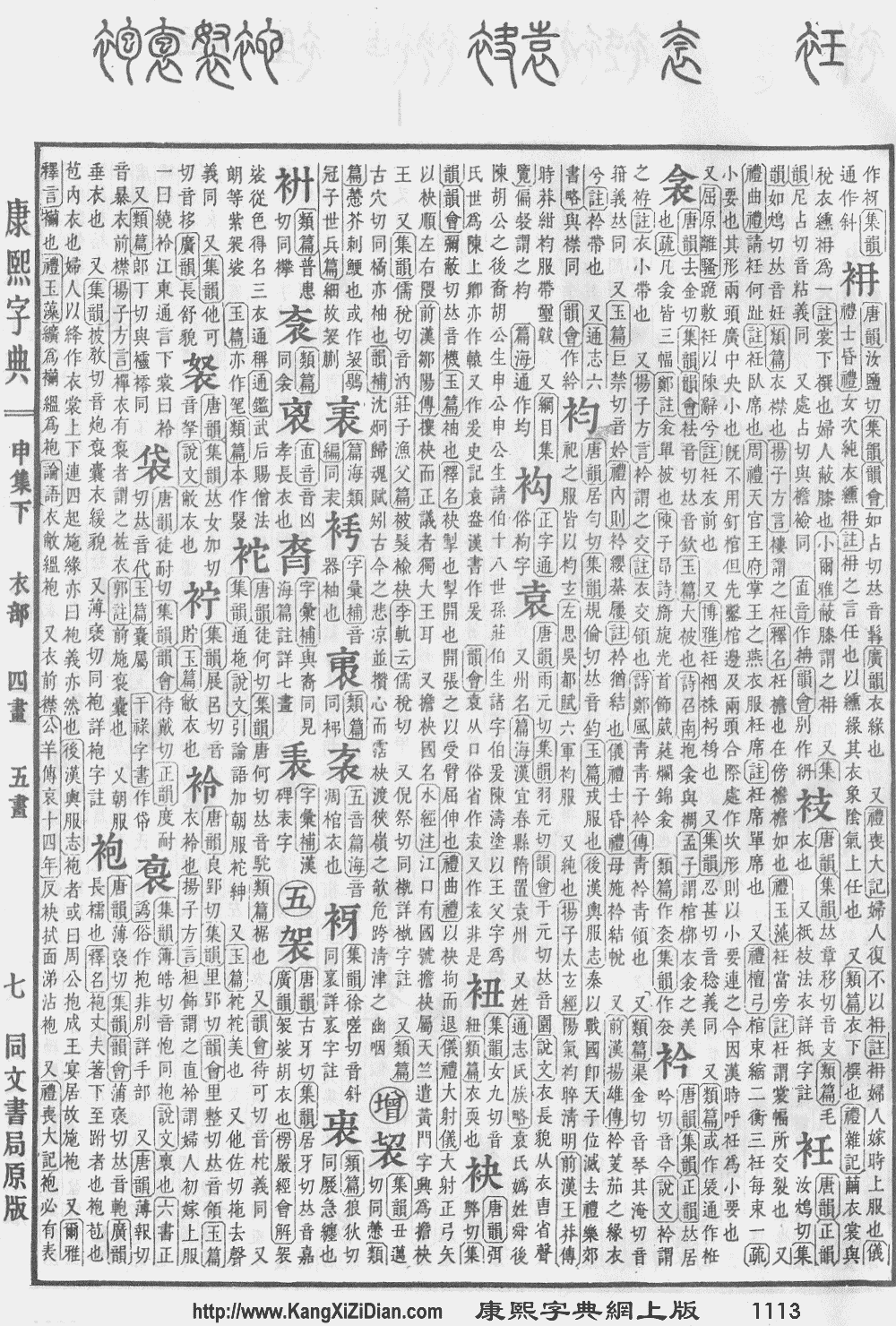
- Kangxi Dictionary: page 1113, character 10
- Dai Kanwa Jiten: character 34154
- Dae Jaweon: page 1579, character 5
- Hanyu Da Zidian (first edition): volume 5, page 3080, character 2
- Unihan data for U+8882
Chinese
Pronunciation
Synonyms
Dialectal synonyms of 袖子 (“sleeve (of clothing)”) [map]
Compounds
Etymology 2
| trad. | 袂 | |
|---|---|---|
| simp. # | 袂 | |
See 𣍐/𫧃. This character is recommended by Taiwan's Ministry of Education.
Pronunciation
Compounds
Pronunciation
Etymology 4
| For pronunciation and definitions of 袂 – see 褹 (“short jacket; sewn short cloth shirt”). (This character is a variant form of 褹). |
References
- zi.tools
- “袂”, in 漢語多功能字庫 (Multi-function Chinese Character Database), 香港中文大學 (the Chinese University of Hong Kong), 2014–
Japanese
Readings
Etymology
| Kanji in this term |
|---|
| 袂 |
| たもと Hyōgaiji |
| kun’yomi |
From Old Japanese, first attested in the Man'yōshū (c. 759 CE).
Originally a compound of 手 (ta, ancient combining form of te, "arm, hand") + 本 (moto, “origin”).[1][2]
Noun
袂 • (tamoto)
Derived terms
Derived terms
- 袂石 (tamoto ishi)
- 袂落し, 袂落とし (tamoto-otoshi)
- 袂糞 (tamoto kuso)
- 袂時計 (tamoto-dokei)
- 袂の露 (tamoto no tsuyu)
- 苔の袂 (koke no tamoto)
- 墨の袂 (sumi no tamoto)
- 玉藻前曦袂 (Tamamo no Mae-asahi no Tamoto)
- 花の袂 (hana no tamoto)
- 藤の袂 (fuji no tamoto)
Idioms
Idioms
- 袂に縋る (tamoto ni sugaru)
- 袂を絞る (tamoto o shiboru)
- 袂を連ねる (tamoto o tsuraneru)
- 袂を分かつ (tamoto o wakatsu)
- 名残の袂 (nagori no tamoto)
References
- Matsumura, Akira, editor (2006), 大辞林 [Daijirin] (in Japanese), Third edition, Tōkyō: Sanseidō, →ISBN
- Matsumura, Akira (1995) 大辞泉 [Daijisen] (in Japanese), First edition, Tōkyō: Shogakukan, →ISBN
Korean
Hanja
袂 • (mye) (hangeul 몌, revised mye, McCune–Reischauer mye, Yale myey)
- This term needs a translation to English. Please help out and add a translation, then remove the text
{{rfdef}}.
This article is issued from Wiktionary. The text is licensed under Creative Commons - Attribution - Sharealike. Additional terms may apply for the media files.