鉋
| ||||||||
Translingual
Han character
鉋 (Kangxi radical 167, 金+5, 13 strokes, cangjie input 金心口山 (CPRU), four-corner 87112, composition ⿰釒包)
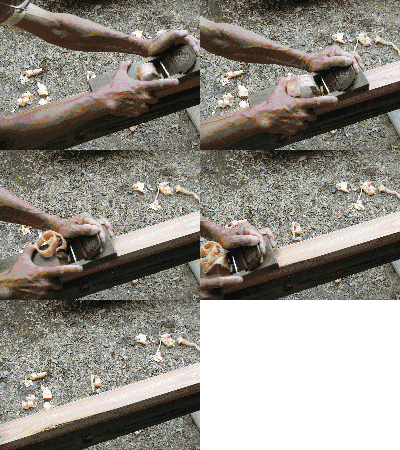
- carpenter's plane
References
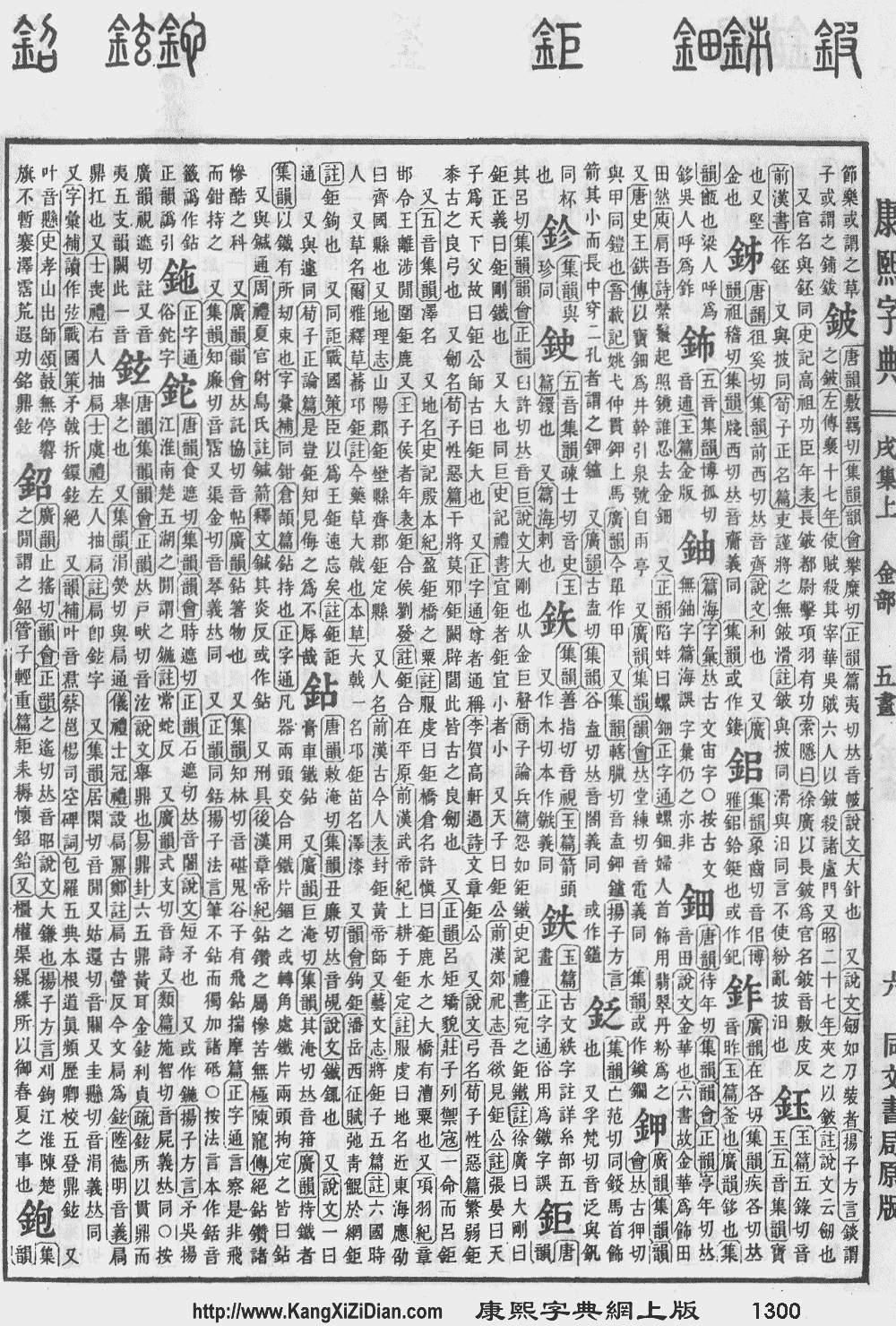
- Kangxi Dictionary: page 1300, character 21
- Dai Kanwa Jiten: character 40292
- Dae Jaweon: page 1803, character 2
- Hanyu Da Zidian (first edition): volume 6, page 4190, character 7
- Unihan data for U+924B
Chinese
| trad. | 刨*/鉋 | |
|---|---|---|
| simp. | 刨* | |
| nonstandard simp. | 铇 | |
Glyph origin
| Old Chinese | |
|---|---|
| 袍 | *buː |
| 袌 | *buː, *buːs |
| 軳 | *buː |
| 抱 | *buːʔ |
| 勽 | *buːs, *mɯnʔ |
| 菢 | *buːs |
| 勹 | *pruː |
| 包 | *pruː |
| 胞 | *pruː, *pʰruː |
| 苞 | *pruː |
| 枹 | *pruː, *bu, *bu |
| 飽 | *pruːʔ |
| 泡 | *pʰruː, *m̥ʰruːs, *bruː |
| 炮 | *pʰruːs, *bruː |
| 皰 | *pʰruːs, *bruːs |
| 疱 | *pʰruːs, *bruːs |
| 跑 | *bruː, *bruːɡ |
| 咆 | *bruː |
| 庖 | *bruː |
| 匏 | *bruː |
| 刨 | *bruː |
| 狍 | *bruː |
| 炰 | *bruː |
| 鉋 | *bruː, *bruːs |
| 瓟 | *bruː, *bruːɡ |
| 颮 | *bruː, *pʰruːɡ |
| 鞄 | *bruː, *bruːʔ, *bruːs, *pʰruːɡ |
| 鮑 | *bruːʔ |
| 骲 | *bruːʔ, *bruːs, *bruːɡ, *pʰoːɡ |
| 玸 | *bu |
| 雹 | *bruːɡ |
| 窇 | *bruːɡ |
Japanese
Readings
Compounds
- 荒鉋 (araganna)
- 粗鉋 (arashiko)
- 合わせ鉋 (awasekanna)
- 鉋掛け (kannakake)
- 鉋屑 (kannakuzu): wood shavings
- 清鉋 (kiyoganna)
- 刳り鉋 (kuriganna)
- 仕上げ鉋 (shiagekanna)
- 上鉋 (jōshiko)
- 精げ鉋 (shiragekanna)
- 台鉋 (daiganna)
- 中鉋 (chūshiko), 中鉋 (nakashiko), 中鉋 (nakaganna)
- 突き鉋 (tsukiganna)
- 南京鉋 (nankinganna)
- 二枚鉋 (nimaiganna)
- 平鉋 (hiraganna)
- 真鉋 (makana)
- 円鉋 (maruganna)
- 溝鉋 (mizokanna)
- 槍鉋 (yariganna)
- 轆轤鉋 (rokuroganna)
- 脇鉋 (wakiganna)
Etymology 1
| Kanji in this term |
|---|
| 鉋 |
| かんな Hyōgaiji |
| kun’yomi |
Probably from Old Japanese. First attested in the early 900s.[1]
Also encountered with the reading kana[1][2] (see that section for further details).
Pronunciation
Etymology 2
| Kanji in this term |
|---|
| 鉋 |
| かな Hyōgaiji |
| kun’yomi |
Probably from Old Japanese. First attested in the late 800s.[1]
Possibly originally a compound of 刈り (kari, “cutting, shearing, trimming”, the 連用形 (ren'yōkei, “continuative or stem form”) of verb 刈る (karu, “to cut, to shear, to trim”)) + な (na, “blade”, only attested in compounds). Compare the phonological development of 仮名 (kana) from older form karina.
/karina/ → /kanna/ → /kana/
Pronunciation
- IPA(key): [ka̠na̠]
Usage notes
The reading kana is still encountered, but the reading kanna appears to be most common in standalone usage as a noun.
References
- “鉋”, in 日本国語大辞典 (Nihon Kokugo Daijiten, “Nihon Kokugo Daijiten”) (in Japanese), concise edition, Tōkyō: Shogakukan, 2000
- Matsumura, Akira, editor (2006), 大辞林 [Daijirin] (in Japanese), Third edition, Tōkyō: Sanseidō, →ISBN
- NHK Broadcasting Culture Research Institute, editor (1998), NHK日本語発音アクセント辞典 [NHK Japanese Pronunciation Accent Dictionary] (in Japanese), Tōkyō: NHK Publishing, →ISBN
- Kindaichi, Kyōsuke et al., editors (1997), 新明解国語辞典 [Shin Meikai Kokugo Jiten] (in Japanese), Fifth edition, Tōkyō: Sanseidō, →ISBN
Further reading
- Entry at Gogen Yurai Jiten ("Etymology Derivation Dictionary", in Japanese)
Korean
Hanja
鉋 • (po) (hangeul 포, revised po, McCune–Reischauer p'o, Yale pho)
- This term needs a translation to English. Please help out and add a translation, then remove the text
{{rfdef}}.