俎
See also: 爼
| ||||||||
Translingual
Han character
俎 (Kangxi radical 9, 人+7, 9 strokes, cangjie input 人人月一 (OOBM), four-corner 87810, composition ⿰仌且)
Derived characters
- 葅 𫦆
References
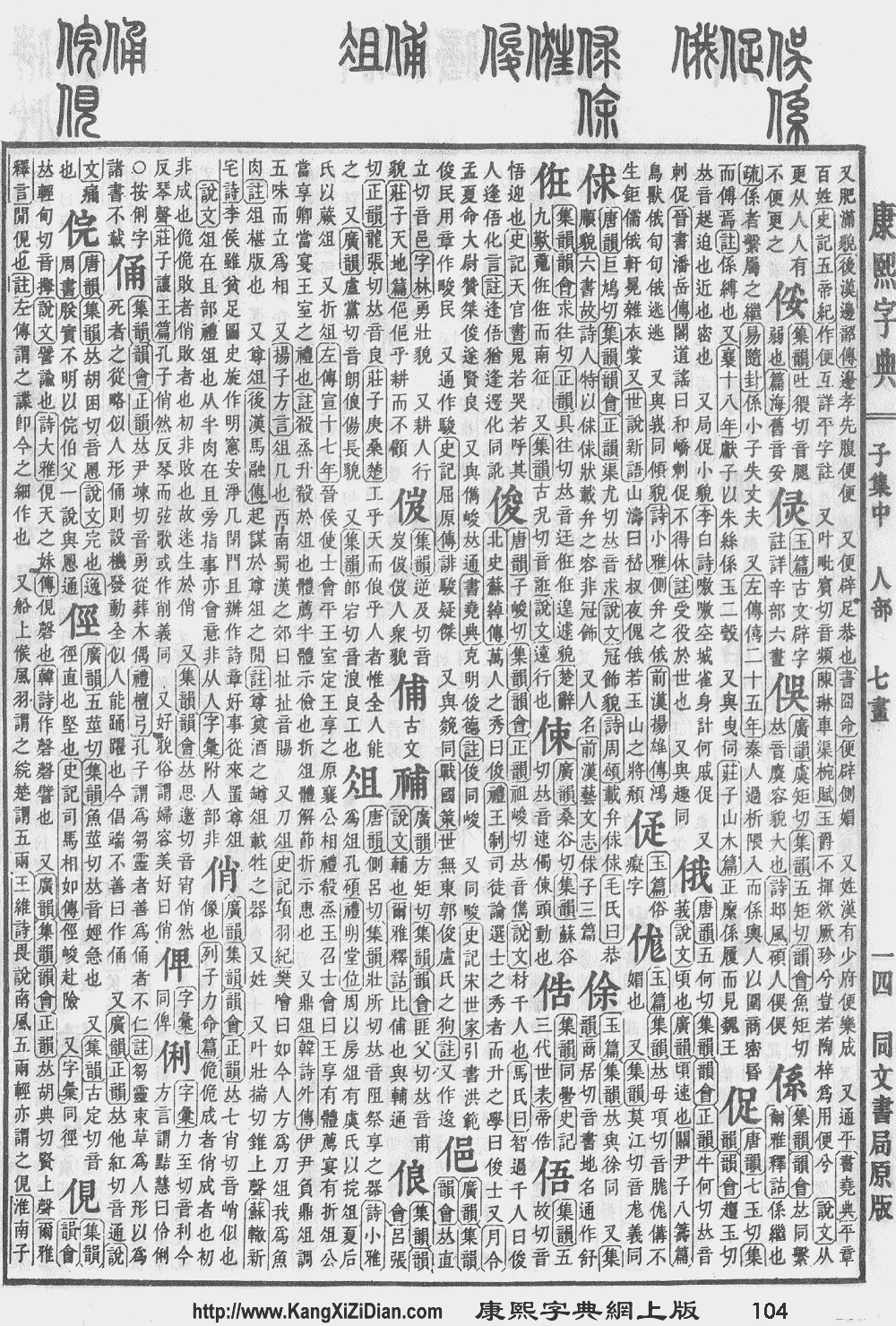
- Kangxi Dictionary: page 104, character 21
- Dai Kanwa Jiten: character 679
- Dae Jaweon: page 221, character 5
- Hanyu Da Zidian (first edition): volume 1, page 156, character 4
- Unihan data for U+4FCE
Chinese
| simp. and trad. |
俎 | |
|---|---|---|
| alternative forms | 爼 𤕲 且 | |
Glyph origin
| Historical forms of the character 俎 | |||||||||||
|---|---|---|---|---|---|---|---|---|---|---|---|
| Western Zhou | Warring States | Shuowen Jiezi (compiled in Han) | Liushutong (compiled in Ming) | ||||||||
| Bronze inscriptions | Chu slip and silk script | Small seal script | Transcribed ancient scripts | ||||||||
 |
 |
 |
 | ||||||||
|||
|
References: Mostly from Richard Sears' Chinese Etymology site (authorisation),
| |||||||||||


Characters in the same phonetic series (且) (Zhengzhang, 2003)
| Old Chinese | |
|---|---|
| 虘 | *zaːl, *zaː |
| 蔖 | *zlaːl, *sʰaːʔ |
| 摣 | *rnaː, *ʔsraː |
| 袓 | *ʔsjaː, *zaʔ |
| 怚 | *ʔsjaː, *ʔsas, *zaʔ |
| 罝 | *ʔsjaː |
| 謯 | *ʔslja, *ʔsraːʔ |
| 姐 | *ʔsjaːʔ |
| 抯 | *ʔsljaːʔ, *ljaːʔ, *ʔsraː |
| 飷 | *ʔsjaːʔ |
| 且 | *sʰjaːʔ, *ʔsa |
| 趄 | *sʰjaːs, *sʰa |
| 笡 | *sʰjaːs |
| 查 | *ʔsraː, *zraː, *zraː |
| 柤 | *ʔsraː |
| 樝 | *ʔsraː |
| 皻 | *ʔsraː |
| 渣 | *ʔsraː |
| 楂 | *zraː |
| 苴 | *zraː, *ʔsa, *ʔsaʔ, *sʰa |
| 駔 | *ʔslaːŋʔ, *zaːʔ |
| 租 | *ʔsaː |
| 蒩 | *ʔsaː, *ʔsaːʔ, *sʰa |
| 祖 | *ʔsaːʔ |
| 組 | *ʔsaːʔ |
| 珇 | *ʔsaːʔ |
| 靻 | *ʔsaːʔ |
| 粗 | *sʰaː, *zaːʔ |
| 徂 | *zaː |
| 殂 | *zaː |
| 麆 | *zaːʔ, *zras |
| 伹 | *zaːʔ, *sʰa |
| 蛆 | *ʔsa, *sʰa |
| 沮 | *ʔsa, *ʔsas, *sʰa, *zaʔ, *ʔsra |
| 咀 | *ʔsaʔ, *zaʔ |
| 疽 | *sʰa |
| 雎 | *sʰa |
| 狙 | *sʰa, *sʰas |
| 岨 | *sʰa |
| 砠 | *sʰa |
| 坥 | *sʰa, *sʰas |
| 刞 | *sʰas |
| 覰 | *sʰas |
| 覷 | *sʰas |
| 跙 | *zaʔ |
| 筯 | *das |
| 菹 | *ʔsra |
| 葅 | *ʔsra |
| 阻 | *ʔsraʔ, *ʔsras |
| 俎 | *ʔsraʔ |
| 詛 | *ʔsraʔ, *ʔsras |
| 鉏 | *zra, *zraʔ |
| 豠 | *zra |
| 鋤 | *zra |
| 耡 | *zra, *zras |
| 齟 | *zraʔ |
| 助 | *zras |
Pictogram (象形) – sacrificial altar for meat. The altar's legs are on the left and the vessel is on the right.
Pronunciation
Definitions
俎
- (historical) sacrificial altar; stand or vessel for meat and food sacrifice
- (literary) chopping board; chopping block
- a surname
Compounds
References
- “俎”, in 漢語多功能字庫 (Multi-function Chinese Character Database), 香港中文大學 (the Chinese University of Hong Kong), 2014–
Japanese
Etymology 1
| Kanji in this term |
|---|
| 俎 |
| そ Hyōgaiji |
| on’yomi |
Borrowing from Middle Chinese 俎 (MC tsrjoX, “a wooden stand used in offering rites”). Compare modern Cantonese reading zo2.
Usage notes
This reading appears to be less common. For the cutting board sense in particular, the manaita reading below is more common.
Derived terms
Derived terms
- 俎上 (sojō): on the altar, on the cutting board
- 俎豆 (sotō): a ceremonial object in ancient China; etiqutte, manners
Etymology 2
| Kanji in this term |
|---|
| 俎 |
| まないた Hyōgaiji |
| kun’yomi |
| For pronunciation and definitions of 俎 – see the following entry. | ||
| ||
| (This term, 俎, is an alternative spelling of the above term.) |
References
- Matsumura, Akira, editor (2006), 大辞林 [Daijirin] (in Japanese), Third edition, Tōkyō: Sanseidō, →ISBN
Korean
Hanja
俎 • (jo) (hangeul 조, revised jo, McCune–Reischauer cho)
- This term needs a translation to English. Please help out and add a translation, then remove the text
{{rfdef}}.
This article is issued from Wiktionary. The text is licensed under Creative Commons - Attribution - Sharealike. Additional terms may apply for the media files.