勢
See also: 势
| ||||||||
Translingual
Han character
勢 (Kangxi radical 19, 力+11, 13 strokes, cangjie input 土戈大尸 (GIKS), four-corner 45427, composition ⿱埶力)
Derived characters
- 𫸾, 𫉥
Related characters
References
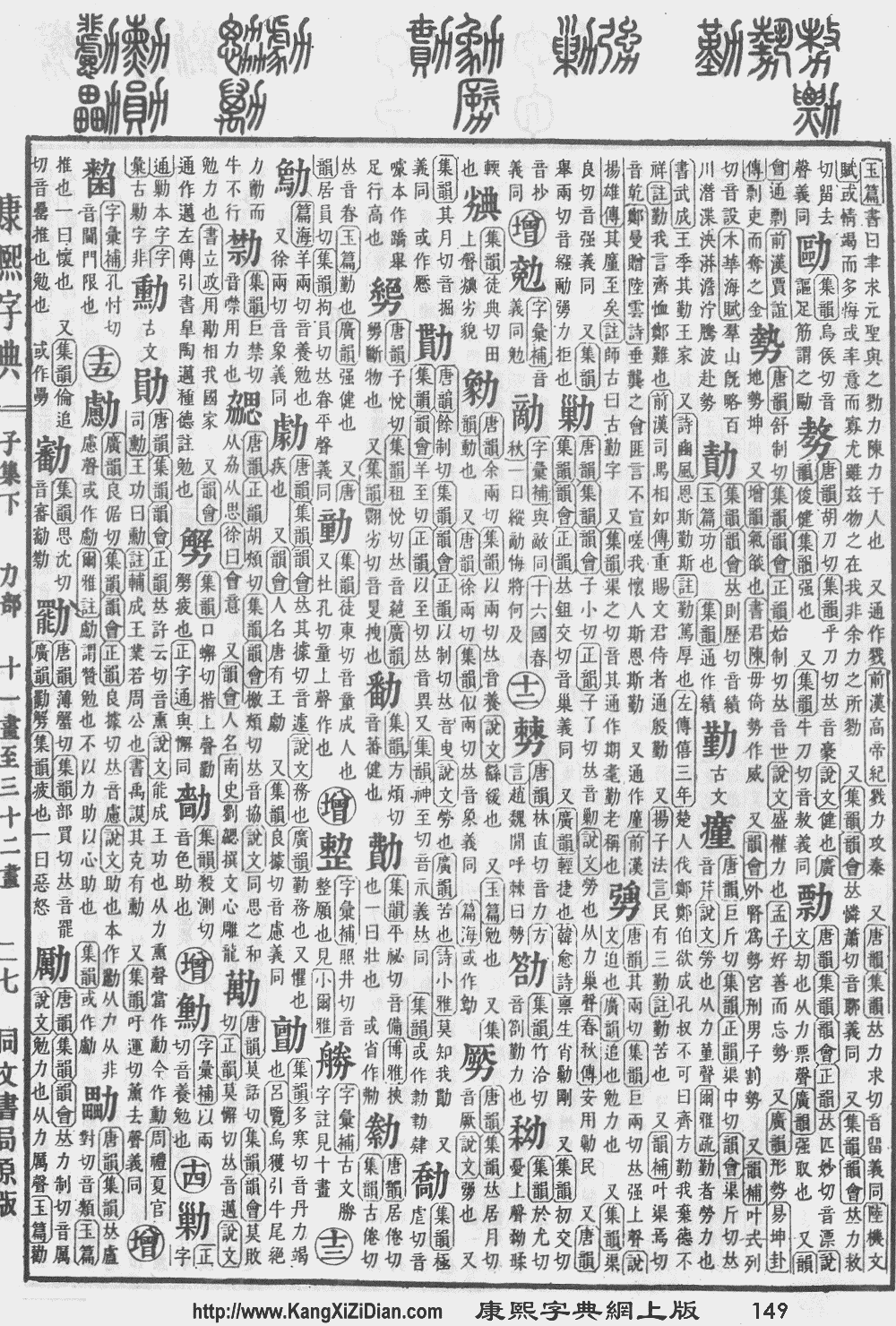
- Kangxi Dictionary: page 149, character 4
- Dai Kanwa Jiten: character 2422
- Dae Jaweon: page 336, character 11
- Hanyu Da Zidian (first edition): volume 1, page 377, character 3
- Unihan data for U+52E2
Chinese
| trad. | 勢 | |
|---|---|---|
| simp. | 势 | |
| alternative forms | 埶 㔟 𫝑/势 | |
Glyph origin
Characters in the same phonetic series (埶) (Zhengzhang, 2003)
Phono-semantic compound (形聲/形声, OC *hŋjeds) : phonetic 埶 (OC *ŋeds) + semantic 力 (“power”).
Etymology
Nominalisation of 設 (OC *ŋ̊et, “to set up”), i.e. “that which is set up” (Schuessler, 2007; Baxter and Sagart, 2014). Compare the following quote from Han Feizi:
Pronunciation
Definitions
勢
- power; force; momentum; influence; authority
- outward appearance of something
- posture; position; pose; bearing
- situation; circumstances; conditions
- tendency; trend
- male genitals
- (set theory, of a set) cardinality
- (physics, mathematics) potential
- (Eastern Min, Southern Min) Suffix for locality noun.
Compounds
- 不是頭勢/不是头势
- 乘勢/乘势 (chéngshì)
- 九勢/九势
- 事勢/事势 (shìshì)
- 人多勢眾/人多势众 (rénduōshìzhòng)
- 人孤勢單/人孤势单
- 仗勢/仗势 (zhàngshì)
- 仗勢凌人
- 仗勢欺人/仗势欺人 (zhàngshìqīrén)
- 作勢/作势 (zuòshì)
- 低姿勢/低姿势
- 位尊勢重/位尊势重
- 來勢/来势 (láishì)
- 來勢洶洶/来势汹汹 (láishìxiōngxiōng)
- 依官仗勢/依官仗势
- 倚勢/倚势 (yǐshì)
- 借勢/借势
- 倚勢挾權/倚势挟权
- 倚官仗勢/倚官仗势
- 倚官託勢/倚官托势
- 倚財仗勢/倚财仗势
- 做張做勢/做张做势
- 做腔作勢/做腔作势
- 傷勢/伤势 (shāngshì)
- 優勢/优势 (yōushì)
- 優勢種/优势种 (yōushìzhǒng)
- 兩勢/两势
- 兩勢下/两势下
- 八勢/八势 (Bāshì)
- 兵勢/兵势 (bīngshì)
- 其勢洶洶/其势汹汹 (qíshìxiōngxiōng)
- 冒冒勢勢/冒冒势势
- 凌厲攻勢/凌厉攻势
- 凡勢/凡势 (hoān-sè) (Min Nan)
- 割勢/割势
- 力分勢弱/力分势弱
- 力均勢敵/力均势敌
- 力屈勢窮/力屈势穷
- 力敵勢均/力敌势均
- 力蹙勢窮/力蹙势穷
- 劣勢/劣势 (lièshì)
- 助勢/助势
- 動勢/动势
- 勢不並立/势不并立
- 勢不兩存/势不两存
- 勢不兩立/势不两立 (shìbùliǎnglì)
- 勢不可當/势不可当
- 勢不得已/势不得已
- 勢交/势交
- 勢任/势任
- 勢傾朝野/势倾朝野
- 勢利/势利
- 勢利之交/势利之交
- 勢利眼/势利眼
- 勢利鬼/势利鬼
- 勢劍/势剑
- 勢力/势力 (shìlì)
- 勢力並行/势力并行
- 勢合形離/势合形离
- 勢同水火/势同水火
- 勢單力薄/势单力薄 (shìdānlìbó)
- 勢在必行/势在必行 (shìzàibìxíng)
- 勢均力敵/势均力敌 (shìjūnlìdí)
- 勢如劈竹/势如劈竹
- 勢如奔馬/势如奔马 (shì rú bēnmǎ)
- 勢如山倒/势如山倒
- 勢如摧山/势如摧山
- 勢如破竹/势如破竹 (shìrúpòzhú)
- 勢如騎虎/势如骑虎
- 勢家/势家
- 勢必/势必 (shìbì)
- 勢成水火/势成水火
- 勢成騎虎/势成骑虎
- 勢所必然/势所必然
- 勢族/势族
- 勢沙/势沙
- 勢況/势况
- 勢派/势派
- 勢焰/势焰 (shìyàn)
- 勢煞/势煞
- 勢窮力孤/势穷力孤
- 勢窮力極/势穷力极
- 勢窮力竭/势穷力竭
- 勢能/势能 (shìnéng)
- 勢若摧枯/势若摧枯
- 勢要/势要 (shìyào)
- 勢豪/势豪 (shìháo)
- 勢頭/势头 (shìtóu)
- 南勢/南势 (Nánshì)
- 去勢/去势 (qùshì)
- 名勢/名势
- 吐勢/吐势
- 因勢利導/因势利导 (yīnshìlìdǎo)
- 國勢/国势 (guóshì)
- 地勢/地势 (dìshì)
- 均勢/均势 (jūnshì)
- 大勢/大势 (dàshì)
- 大勢已去/大势已去 (dàshìyǐqù)
- 大勢已定/大势已定
- 大勢所趨/大势所趋 (dàshìsuǒqū)
- 大張聲勢/大张声势
- 天下大勢/天下大势
- 失勢/失势 (shīshì)
- 失張冒勢/失张冒势
- 好勢/好势 (hó-sè)
- 威勢/威势 (wēishì)
- 姿勢/姿势 (zīshì)
- 媒體造勢/媒体造势
- 字勢/字势
- 守勢/守势 (shǒushì)
- 定勢/定势
- 審時定勢/审时定势
- 審時度勢/审时度势 (shěnshíduóshì)
- 審曲面勢/审曲面势
- 就勢/就势 (jiùshì)
- 局勢/局势 (júshì)
- 山勢/山势 (shānshì)
- 常山蛇勢/常山蛇势
- 弱勢/弱势 (ruòshì)
- 強勢/强势 (qiángshì)
- 強勢貨幣/强势货币
- 彈性勢能/弹性势能 (tánxìng shìnéng)
- 形勢/形势 (xíngshì)
- 形格勢禁/形格势禁 (xínggéshìjìn)
- 得勢/得势 (déshì)
- 復勢/复势 (Fùshì)
- 怕勢勢/怕势势
- 恃勢凌人
- 情勢/情势 (qíngshì)
- 惡勢力/恶势力
- 情見勢屈/情见势屈
- 情見勢竭/情见势竭
- 愛勢貪財/爱势贪财
- 態勢/态势 (tàishì)
- 慌張勢煞/慌张势煞
- 慕勢/慕势
- 慣勢/惯势
- 手勢/手势 (shǒushì)
- 打手勢/打手势
- 打把勢/打把势
- 把勢/把势 (bǎshì)
- 扭轉頹勢/扭转颓势
- 拿板弄勢/拿板弄势
- 拿班作勢/拿班作势
- 拿腔作勢/拿腔作势
- 挾勢/挟势 (xiéshì)
- 挾勢弄權/挟势弄权
- 挾權倚勢/挟权倚势
- 捉班做勢/捉班做势
- 挾貴倚勢/挟贵倚势
- 掎角之勢/掎角之势 (jījiǎo zhī shì)
- 擺姿勢/摆姿势
- 擺開陣勢/摆开阵势
- 攝威擅勢/摄威擅势
- 攻勢/攻势 (gōngshì)
- 攻勢作戰/攻势作战
- 斗杓轉勢/斗杓转势
- 時勢/时势 (shíshì)
- 時勢所迫/时势所迫 (shíshìsuǒpò)
- 時異勢殊/时异势殊
- 有財有勢/有财有势
- 有錢有勢/有钱有势
- 村村勢勢/村村势势
- 村沙樣勢/村沙样势
- 東勢/东势 (Dōngshì)
- 架勢/架势
- 樣勢/样势
- 權勢/权势 (quánshì)
- 權豪勢要/权豪势要
- 歡勢/欢势
- 歹勢/歹势 (dǎishì)
- 比勢/比势
- 比手勢/比手势
- 氣勢/气势 (qìshì)
- 氣勢如虹/气势如虹 (qìshìrúhóng)
- 氣勢洶洶/气势汹汹
- 氣勢熏灼/气势熏灼
- 氣勢磅礴/气势磅礴 (qìshìpángbó)
- 氣勢雄偉/气势雄伟
- 水勢/水势 (shuǐshì)
- 涼勢/凉势 (liâng-sè) (Min Nan)
- 漲勢/涨势 (zhǎngshì)
- 潛勢/潜势
- 火勢/火势 (huǒshì)
- 無勢可乘/无势可乘
- 犄角之勢/犄角之势 (jījiǎo zhī shì)
- 狗仗人勢/狗仗人势
- 狗仗官勢/狗仗官势
- 現勢/现势
- 病勢/病势 (bìngshì)
- 病已成勢/病已成势
- 眉勢/眉势
- 眾寡勢殊/众寡势殊
- 破竹之勢/破竹之势
- 神龍失勢/神龙失势 (shénlóng shīshì)
- 笑臉攻勢/笑脸攻势
- 筆勢/笔势 (bǐshì)
- 範勢/范势 (pān-sè) (Min Nan)
- 老把勢/老把势 (lǎobǎshi)
- 聲勢/声势 (shēngshì)
- 聲勢浩大/声势浩大 (shēngshìhàodà)
- 聲勢赫赫/声势赫赫
- 蓄勢待發/蓄势待发
- 虎勢/虎势 (hǔshì)
- 虔婆勢/虔婆势
- 虛張聲勢/虚张声势 (xūzhāngshēngshì)
- 裝腔作勢/装腔作势 (zhuāngqiāngzuòshì)
- 計窮勢蹙/计穷势蹙
- 語勢/语势
- 財勢/财势 (cáishì)
- 財多勢重/财多势重
- 貪財慕勢/贪财慕势
- 貴勢炎炎/贵势炎炎
- 走勢/走势 (zǒushì)
- 走勢圖/走势图 (zǒushìtú)
- 趁勢/趁势 (chènshì)
- 趁勢落篷/趁势落篷
- 趁風勢/趁风势
- 趕勢利/赶势利
- 趨勢/趋势 (qūshì)
- 趨時捧勢/趋时捧势
- 趨權附勢/趋权附势
- 趨炎奉勢/趋炎奉势
- 趨炎附勢/趋炎附势 (qūyánfùshì)
- 趨財慕勢/趋财慕势
- 跛手太監——無拳無勢/跛手太监——无拳无势
- 軍勢/军势 (jūnshì)
- 輕狂百勢/轻狂百势
- 逆勢/逆势
- 逐勢/逐势
- 造勢/造势 (zàoshì)
- 逞勢/逞势
- 都把勢/都把势
- 銷勢/销势
- 長期趨勢/长期趋势
- 陣勢/阵势 (zhènshì)
- 隨時度勢/随时度势
- 雜種優勢/杂种优势
- 雨勢/雨势
- 音勢/音势
- 順勢/顺势 (shùnshì)
- 頭勢/头势
- 頹勢/颓势 (tuíshì)
- 風勢/风势 (fēngshì)
- 風風勢勢/风风势势
- 飛馳之勢/飞驰之势
- 騁兇騁勢/骋凶骋势
- 騎虎之勢/骑虎之势
- 體勢/体势 (tǐshì)
- 鼎足之勢/鼎足之势 (dǐngzú zhī shì)
Japanese
Readings
Compounds
Suffix
- group of people with a common trait
- 海外勢
- kaigai-sei
- overseas fanbase
- CD勢
- shīdī-sei
- the type of person who prefers to purchase CDs
- 海外勢
References
- Matsumura, Akira, editor (2006), 大辞林 [Daijirin] (in Japanese), Third edition, Tōkyō: Sanseidō, →ISBN
Vietnamese
This article is issued from Wiktionary. The text is licensed under Creative Commons - Attribution - Sharealike. Additional terms may apply for the media files.