奈
See also: 柰
| ||||||||
| ||||||||
Translingual
Han character
奈 (Kangxi radical 37, 大+5, 8 strokes, cangjie input 大一一火 (KMMF), four-corner 40901, composition ⿱大示)
References
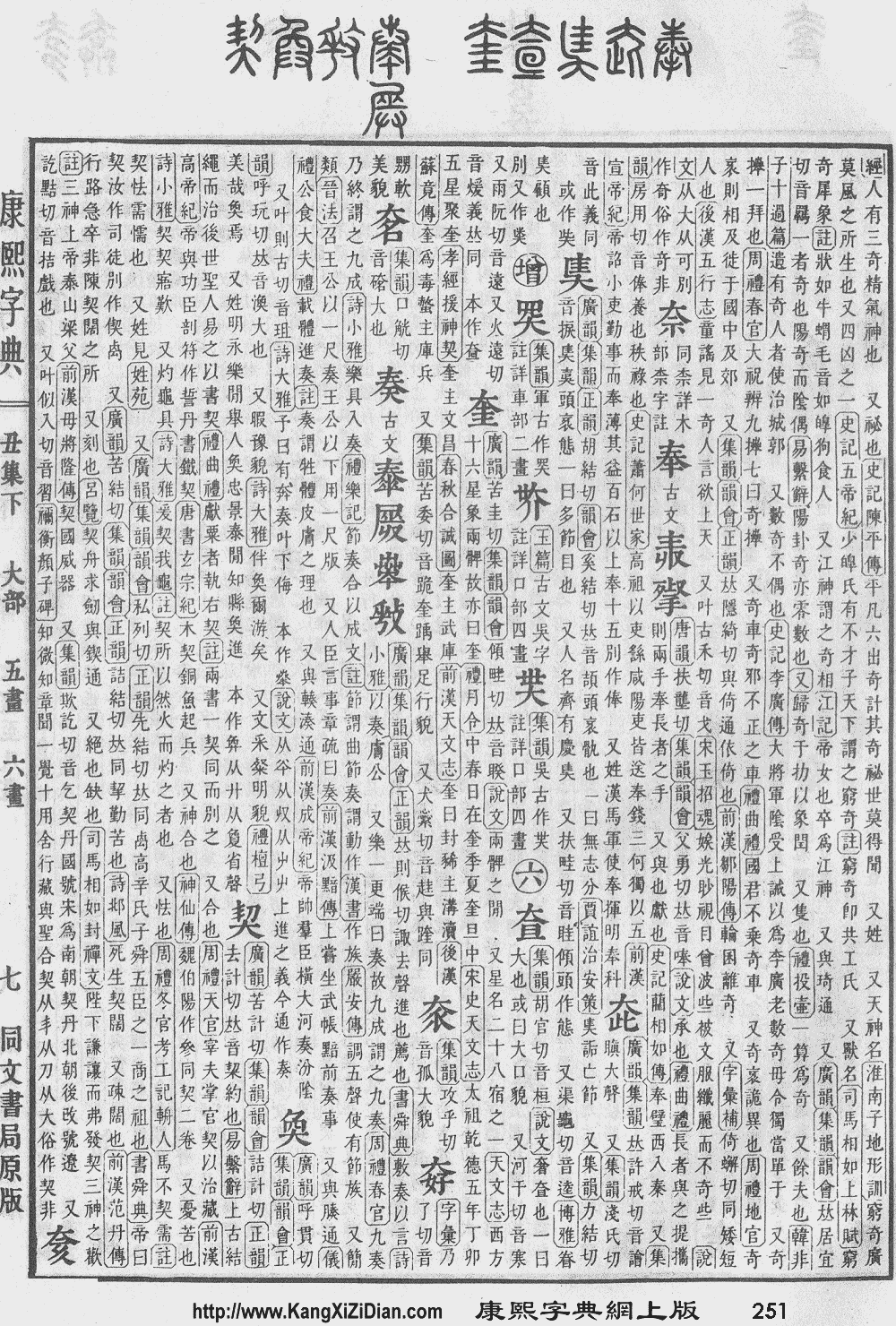
- Kangxi Dictionary: page 251, character 1
- Dai Kanwa Jiten: character 5893
- Dae Jaweon: page 511, character 1
- Hanyu Da Zidian (first edition): volume 1, page 532, character 2
- Unihan data for U+5948
- Unihan data for U+F90C
Chinese
| trad. | 奈 | |
|---|---|---|
| simp. # | 奈 | |
| alternative forms | 柰 | |
Etymology
Pronunciation
Definitions
奈
- how; why (used in rhetorical questions)
- to bear; to stand; to endure
- [from 1985] (Taiwan) nano- (SI unit prefix)
Compounds
- 不奈
- 不奈何
- 不奈煩/不奈烦
- 不寧奈/不宁奈
- 可奈
- 叵奈
- 基奈
- 奈上祝下
- 奈何 (nàihé)
- 奈何橋/奈何桥 (nàihéqiáo)
- 奈升
- 奈及利亞/奈及利亚 (Nàijílìyà)
- 奈向
- 奈守
- 奈曼
- 奈洛比 (Nàiluòbǐ)
- 奈煩/奈烦 (nàifán)
- 奈秒
- 奈米 (nàimǐ)
- 奈良 (Nàiliáng)
- 奈良時代/奈良时代
- 如之奈何 (rú zhī nàihé)
- 寧奈/宁奈
- 尀奈
- 山奈
- 山奈鉀/山奈钾
- 康奈爾/康奈尔
- 康奈爾大學/康奈尔大学
- 怎奈
- 末奈何
- 欽奈/钦奈 (Qīnnài)
- 沒及奈何/没及奈何
- 沒奈何/没奈何 (mònàihé)
- 沒極奈何/没极奈何
- 沒計奈何/没计奈何
- 澀奈/涩奈
- 無可奈何/无可奈何 (wúkěnàihé)
- 無奈/无奈 (wúnài)
- 無奈我何/无奈我何
- 無如奈何/无如奈何
- 無計奈何/无计奈何
- 爭奈/争奈
- 神奈川縣/神奈川县
- 萬般無奈/万般无奈
- 莫可奈何
- 葛林奈爾/葛林奈尔
- 葛林奈爾大學/葛林奈尔大学
- 蘇爾奈/苏尔奈 (sū'ěrnài)
- 西奈 (Xīnài)
- 西奈半島/西奈半岛 (Xīnài Bàndǎo)
- 西奈協定/西奈协定
- 西奈山
- 頗奈/颇奈
- 香奈兒/香奈儿
References
- “奈”, in 漢語多功能字庫 (Multi-function Chinese Character Database), 香港中文大學 (the Chinese University of Hong Kong), 2014–
Japanese
Readings
Etymology 1
| Kanji in this term |
|---|
| 奈 |
| Grade: 4 |
| Alternative spelling |
|---|
| 柰 |
(This etymology is missing or incomplete. Please add to it, or discuss it at the Etymology scriptorium.)
Pronunciation
- IPA(key): [ka̠ɾa̠na̠ɕi]
Noun
奈 or 奈 • (karanashi)
Etymology 2
| Kanji in this term |
|---|
| 奈 |
| Grade: 4 |
(This etymology is missing or incomplete. Please add to it, or discuss it at the Etymology scriptorium.)
Pronunciation
- IPA(key): [ikã̠ɴ]
Korean
Etymology 1
From Middle Chinese 奈 (MC najH).
| Historical readings |
|---|
|
Pronunciation
- (SK Standard/Seoul) IPA(key): [nɛ] ~ [ne̞]
- Phonetic hangul: [내/네]
Etymology 2
From Middle Chinese 奈 (MC naH).
Pronunciation
- (SK Standard/Seoul) IPA(key): [na̠]
- Phonetic hangul: [나]
Vietnamese
Han character
奈: Hán Nôm readings: nại, nhự
- This term needs a translation to English. Please help out and add a translation, then remove the text
{{rfdef}}.
This article is issued from Wiktionary. The text is licensed under Creative Commons - Attribution - Sharealike. Additional terms may apply for the media files.