袴
| ||||||||
Translingual
| Traditional | 褲 |
|---|---|
| Shinjitai (extended) |
袴 |
| Simplified | 裤 |
Han character
袴 (Kangxi radical 145, 衣+6, 11 strokes, cangjie input 中大一尸 (LKMS), composition ⿰衤夸)
Derived characters
- 𬞔
References
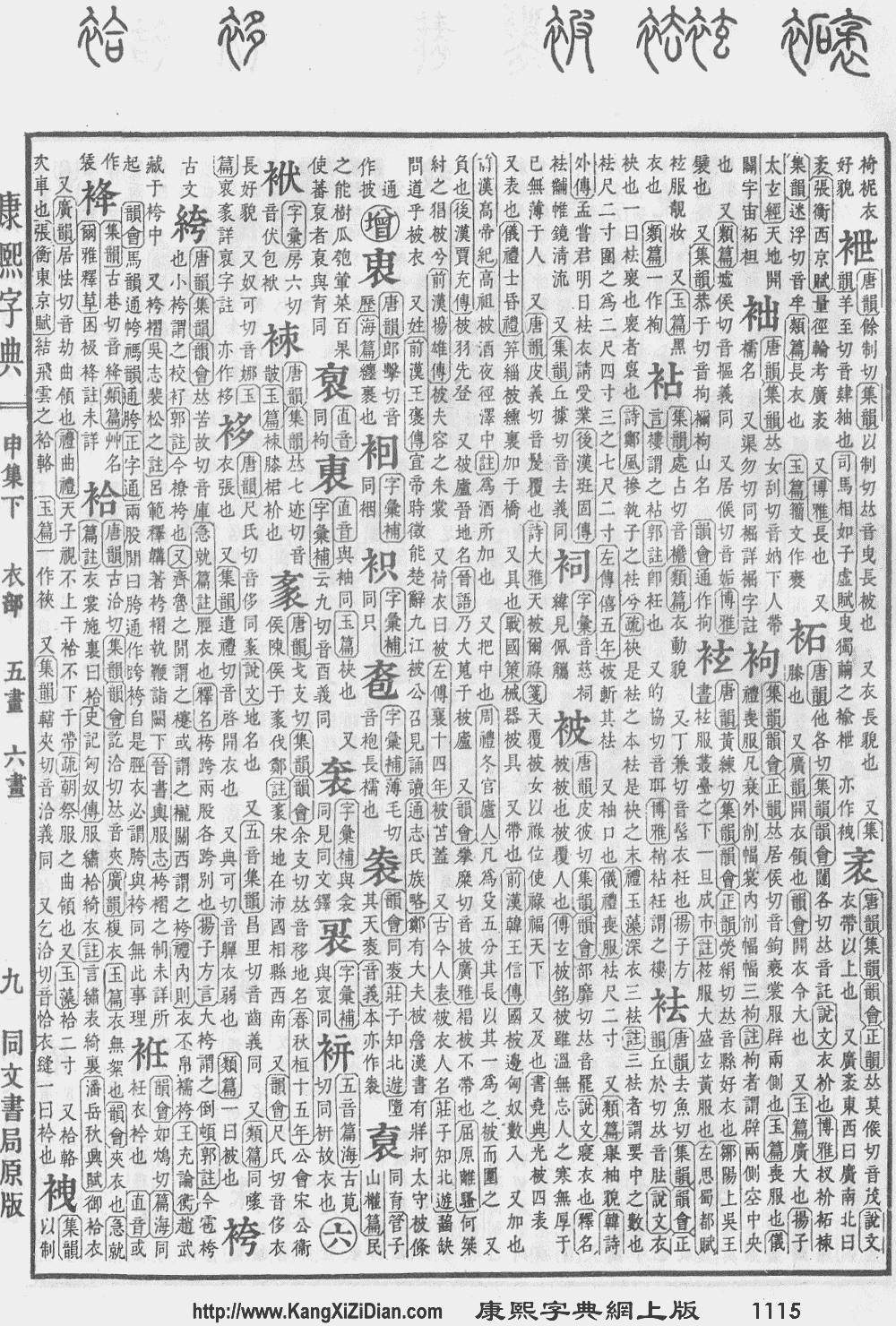
- Kangxi Dictionary: page 1115, character 26
- Dai Kanwa Jiten: character 34236
- Dae Jaweon: page 1581, character 5
- Hanyu Da Zidian (first edition): volume 5, page 3088, character 7
- Unihan data for U+88B4
Chinese
Glyph origin
| Old Chinese | |
|---|---|
| 侉 | *qaːls |
| 夸 | *kʰʷraː |
| 姱 | *kʰʷraː |
| 胯 | *kʰʷraː, *kʰʷraːs, *kʰʷaːs |
| 跨 | *kʰʷraː, *kʰʷraːʔ, *kʰʷraːs, *kʰʷaːs |
| 誇 | *kʰʷraː |
| 垮 | *kʰʷraːʔ |
| 銙 | *kʰʷraːʔ |
| 骻 | *kʰʷraːʔ |
| 咵 | *kʰʷraːʔ |
| 釫 | *ɢʷraː, *qʷaː |
| 摦 | *ɡʷraːs |
| 鮬 | *pɢʷaː, *kʰʷaː |
| 嶀 | *qʰʷl'aː |
| 扝 | *kʰʷaː, *qʷaː |
| 刳 | *kʰʷaː |
| 郀 | *kʰʷaː |
| 挎 | *kʰʷaː |
| 袴 | *kʰʷaːs |
| 絝 | *kʰʷaːs |
| 褲 | *kʰʷaːs |
| 恗 | *qʰaː |
| 洿 | *ɡʷaːʔ, *qʷaː |
| 瓠 | *ɡʷlaː, *ɡʷlaːs |
| 鄠 | *ɢʷlaːʔ |
| 污 | *qʷaː, *qʷaːs |
| 杇 | *qʷaː |
| 圬 | *qʷaː |
| 鴮 | *qʷaː |
| 盓 | *qʷaː |
| 汙 | *qʷaːs, *ɢʷa |
| 樗 | *qʰʷl'a |
| 摴 | *qʰʷl'a |
| 荂 | *pqʰʷa, *qʰʷa |
| 雩 | *qʰʷla, *ɢʷla |
| 吁 | *qʰʷa, *ɢʷas |
| 盱 | *qʰʷa |
| 訏 | *qʰʷa |
| 扜 | *qʰʷa, *qʷa |
| 旴 | *qʰʷa |
| 冔 | *qʰʷaʔ |
| 紆 | *qʷa |
| 陓 | *qʷa |
| 迂 | *qʷa, *qʷaʔ, *ɢʷa |
| 虶 | *qʷa |
| 于 | *ɢʷa |
| 盂 | *ɢʷa |
| 竽 | *ɢʷa |
| 邘 | *ɢʷa |
| 玗 | *ɢʷa |
| 芋 | *ɢʷa, *ɢʷas |
| 杅 | *ɢʷa |
| 釪 | *ɢʷa |
| 骬 | *ɢʷa |
| 謣 | *ɢʷla |
| 宇 | *ɢʷaʔ |
Phono-semantic compound (形聲/形声, OC *kʰʷaːs) : semantic 衤 (“cloth”) + phonetic 夸 (OC *kʰʷraː) – a type of clothing.
Japanese
Kanji
(“Jinmeiyō” kanji used for names, shinjitai kanji, kyūjitai form 褲)
- traditional Japanese loose trousers
Etymology 1
| Kanji in this term |
|---|
| 袴 |
| はかま Jinmeiyō |
| kun’yomi |
From Old Japanese. Attested in the Man'yōshū, completed some time after 759 CE.
Appears to be a compound deriving ultimately from 穿か (haka, the 未然形 (mizenkei, “incomplete form”) or a sound shift from some other conjugation of verb 穿く (haku, “to pull onto the lower body (such as trousers)”)) + 裳 (ma, “robes”, sound shift from expected reading mo).[1]
The loincloth sense is attested earlier in the Nihon Shoki, finished in 720 CE.[2] Other sources[1] also cite the Nihon Shoki for the trousers sense, possibly suggesting confusion regarding the meaning of the term as used in that text.
Noun
袴 • (hakama)
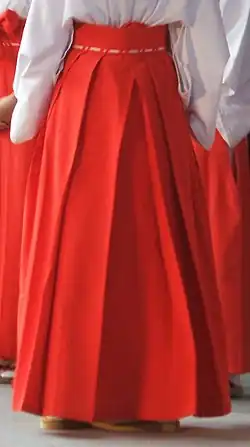
- hakama: a type of traditional Japanese trousers
- 720, Nihon Shoki (poem 74)
- 飫瀰能古簸多倍能波伽摩鳴那那陛鳴絁爾播爾陀陀始諦阿遥比那陀須暮 [Man'yōgana]
- 臣の子は栲の袴を七重をし庭に立たして足結撫すも [Modern spelling]
- omi no ko wa tae no hakama o nanae oshi niwa ni tatashite ayoi nadasu mo
- (please add an English translation of this example)
- 720, Nihon Shoki (poem 74)
- (botany) a leaf sheath
- a holder for a heated bottle of saké
- (rare, possibly obsolete) a kind of traditional Japanese loincloth
- 720, Nihon Shoki (page 562)
- 逼而脱褌 [...] [Man'yōgana]
- 逼めて袴を脱かしめて [...] [Modern spelling]
- semete hakama o nikashimete...
- (please add an English translation of this example)
- Synonym: 褌 (fundoshi)
- 720, Nihon Shoki (page 562)
Derived terms
- 袴着 (hakamagi)
- 袴地 (hakamaji)
- 袴能 (hakama-nō)
- 行灯袴 (andon-bakama)
- 表袴, 上袴 (ue no hakama)
- 袿袴 (uchiki-bakama)
- 女袴 (onna-bakama)
- 御袴料 (ohakama-ryō), 御袴料 (onhakama-ryō)
- 片袴 (kata-bakama)
- 括り袴 (kukuribakama)
- 紺屋の白袴 (kōya no shirobakama)
- 猿袴 (saru-bakama)
- 猩々袴 (shōjō-bakama)
- 白袴 (shirobakama)
- 摺袴 (suribakama)
- 長袴 (nagabakama)
- 羽織袴 (haori-hakama)
- 肌袴, 膚袴 (hadabakama)
- 張袴 (haribakama)
- 半袴 (hanbakama)
- 緋袴 (hibakama), 緋の袴 (hi no hakama)
- 藤袴 (fujibakama)
- 山袴 (yamabakama)
- 雪袴 (yuki-bakama)
Pronunciation
- IPA(key): [ko̞]
Noun
袴 • (ko)
- (rare) hakama: a type of traditional Japanese trousers
- (rare) momohiki: traditional Japanese closefitting workman's trousers
- Synonym: 股引き (momohiki)
- (historical, military): prior to World War II, the general term for trousers in the Imperial Japanese Army
- Synonym: ズボン (zubon)
Derived terms
- 袴下 (koshita)
- 袿袴 (keiko)
References
- Shōgaku Tosho (1988) 国語大辞典(新装版) [Unabridged Dictionary of Japanese (Revised Edition)] (in Japanese), Tōkyō: Shogakukan, →ISBN
- Matsumura, Akira, editor (2006), 大辞林 [Daijirin] (in Japanese), Third edition, Tōkyō: Sanseidō, →ISBN
Korean
Etymology 1
From Middle Chinese 袴 (MC khuH). Recorded as Middle Korean 고〮 (kwó) (Yale: kwo) in Hunmong Jahoe (訓蒙字會 / 훈몽자회), 1527.
Etymology 2
Related to Middle Chinese 胯 (MC khwaeH). Recorded as Middle Korean 과〯 (kwǎ) (Yale: kwa) in Hunmong Jahoe (訓蒙字會 / 훈몽자회), 1527.