鑑
| ||||||||
Translingual
| Traditional | 鑒 |
|---|---|
| Shinjitai | 鑑 |
| Simplified | 鉴 |
Han character
鑑 (Kangxi radical 167, 金+14 in Chinese, 金+15 in Japanese, 22 strokes in Chinese, 23 strokes in Japanese, cangjie input 金尸戈廿 (CSIT) or 金尸一廿 (CSMT), four-corner 88117, composition ⿰釒監)
References
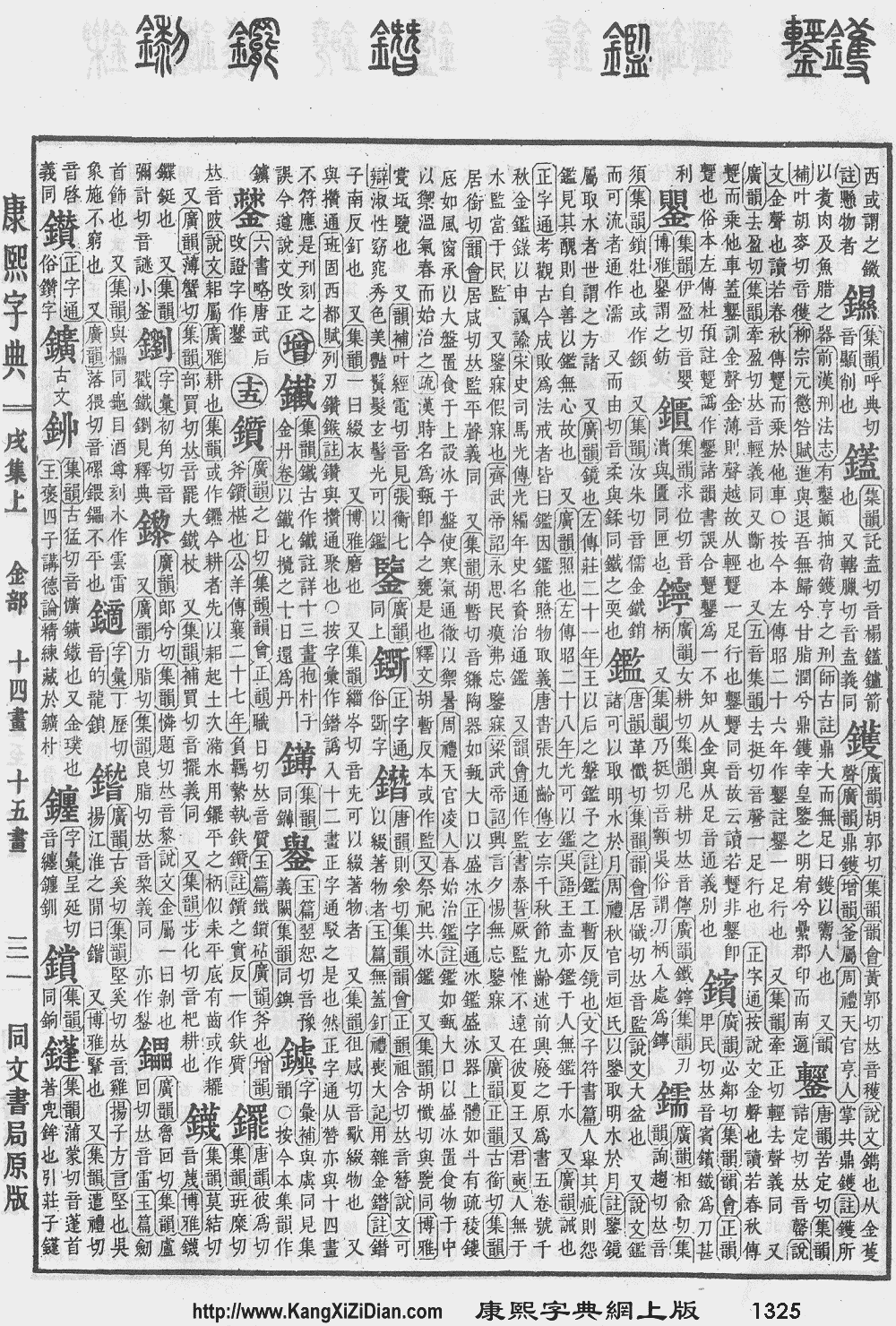
- Kangxi Dictionary: page 1325, character 10
- Dai Kanwa Jiten: character 40988
- Dae Jaweon: page 1826, character 5
- Hanyu Da Zidian (first edition): volume 6, page 4267, character 6
- Unihan data for U+9451
Chinese
Glyph origin
| Old Chinese | |
|---|---|
| 藍 | *ɡ·raːm |
| 襤 | *ɡ·raːm |
| 籃 | *ɡ·raːm |
| 懢 | *ɡ·raːm, *ɡ·raːms |
| 儖 | *ɡ·raːm |
| 蘫 | *ɡ·raːm, *qʰlaːms |
| 攬 | *ɡ·raːmʔ |
| 欖 | *ɡ·raːmʔ |
| 覽 | *ɡ·raːmʔ |
| 爁 | *ɡ·raːmʔ, *ɡ·raːms, *ɡ·rams |
| 擥 | *ɡ·raːmʔ |
| 灠 | *ɡ·raːmʔ |
| 濫 | *ɡ·raːms, *ɡraːmʔ |
| 嚂 | *ɡ·raːms, *kʰlaːms, *qʰlaːmʔ |
| 纜 | *ɡ·raːms |
| 監 | *kraːm, *kraːms |
| 礛 | *kraːm |
| 鑑 | *kraːm, *kraːms, *kraːms |
| 艦 | *ɡraːmʔ |
| 檻 | *ɡraːmʔ, *ɡraːms |
| 壏 | *ɡraːmʔ |
| 轞 | *ɡraːmʔ |
| 鹽 | *ɡ·lam, *ɡ·lams |
Phono-semantic compound (形聲/形声, OC *kraːm, *kraːms, *kraːms) : semantic 金 (“metal”) + phonetic 監 (OC *kraːm, *kraːms).
Japanese
Readings
Etymology 1
| Kanji in this term |
|---|
| 鑑 |
| かがみ Grade: S |
| kun’yomi |
| Alternative spelling |
|---|
| 鑒 |
From Old Japanese.
Extension of 鏡 (kagami, “mirror”), as such objects are usually seen as reflected like a mirror.[1]
Derived terms
Etymology 2
| Kanji in this term |
|---|
| 鑑 |
| かん Grade: S |
| kan’on |
| Alternative spelling |
|---|
| 鑒 |
/kam/ → /kamʉ/ → /kaɴ/
From Middle Chinese 鑒 (MC kaemH).
Derived terms
Etymology 3
| Kanji in this term |
|---|
| 鑑 |
| Grade: S |
| nanori |
Nominalization of the stem of adjective 明らか (akiraka, “clear”).
References
- Matsumura, Akira, editor (2006), 大辞林 [Daijirin] (in Japanese), Third edition, Tōkyō: Sanseidō, →ISBN
Korean

Etymology
From Middle Chinese 鑒 (MC kaemH). Recorded as Middle Korean 감〯 (kǎm) (Yale: kam) in Hunmong Jahoe (訓蒙字會 / 훈몽자회), 1527.
Compounds
- 감식 (鑑識, gamsik, “examination”)
- 감정 (鑑定, gamjeong, “appraisal”)
- 도감 (圖鑑, dogam, “an illustrated reference book”)
- 연감 (年鑑, yeon'gam, “almanac; yearbook”)
- 귀감 (龜鑑, gwigam, “self-criticism; object lesson”)
- 통감 (通鑑, tonggam)
- 감상 (鑑賞, gamsang, “appreciation, enjoyment”)
- 감별 (鑑別, gambyeol, “distinguishing”)
- 인감 (印鑑, in'gam, “seal; stamp”)
- 감계 (鑑戒, gamgye, “take as a lesson”)
- 보감 (寶鑑, bogam, “an important book”)
- 동의보감 (東醫寶鑑, Dong'uibogam, “Dongui Bogam”)
References
- 국제퇴계학회 대구경북지부 (國際退溪學會 大邱慶北支部) (2007). Digital Hanja Dictionary, 전자사전/電子字典.
- Supreme Court of the Republic of Korea (대한민국 대법원, Daehanmin'guk Daebeobwon) (2018). Table of hanja for personal names (인명용 한자표 / 人名用漢字表, Inmyeong-yong hanja-pyo), page 1.
Old Japanese
Etymology
Extension of 鏡 (kagami1, “mirror”), as such objects are usually seen as reflected like a mirror.[1]
Noun
鑑 (kagami1) (kana かがみ)
Descendants
- Japanese: 鑑 (kagami)
References
- Matsumura, Akira, editor (2006), 大辞林 [Daijirin] (in Japanese), Third edition, Tōkyō: Sanseidō, →ISBN
- Paula Doe (1982) A Warbler's Song in the Dusk: The Life and Work of Ōtomo Yakamochi (718-785), illustrated edition, University of California Press, →ISBN, page 225