俄
| ||||||||
Translingual
Han character
俄 (Kangxi radical 9, 人+7, 9 strokes, cangjie input 人竹手戈 (OHQI), four-corner 23250, composition ⿰亻我)
References
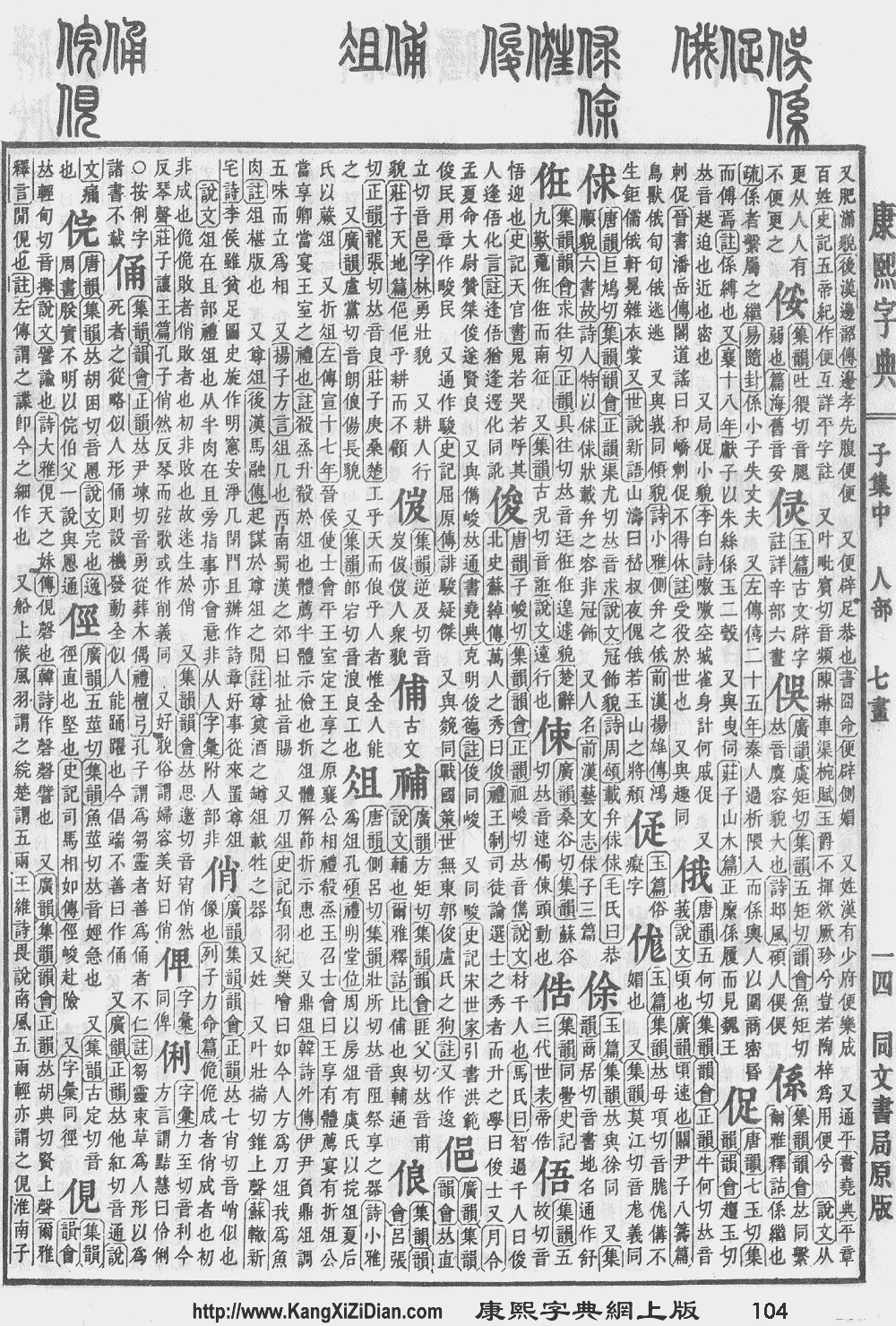
- Kangxi Dictionary: page 104, character 6
- Dai Kanwa Jiten: character 665
- Dae Jaweon: page 220, character 6
- Hanyu Da Zidian (first edition): volume 1, page 162, character 14
- Unihan data for U+4FC4
Chinese
| simp. and trad. |
俄 | |
|---|---|---|
Glyph origin
| Historical forms of the character 俄 | |||
|---|---|---|---|
| |||
|
References: Mostly from Richard Sears' Chinese Etymology site (authorisation),
|


Characters in the same phonetic series (我) (Zhengzhang, 2003)
Phono-semantic compound (形聲/形声, OC *ŋaːl) : semantic 亻 (“person”) + phonetic 我 (OC *ŋaːlʔ).
Pronunciation
Pronunciation
Definitions
俄
- Short for 俄羅斯/俄罗斯 (Éluósī).: Russia (The largest country in the world, a transcontinental country in Eastern Europe and North Asia)
Compounds
References
- “俄”, in 漢語多功能字庫 (Multi-function Chinese Character Database), 香港中文大學 (the Chinese University of Hong Kong), 2014–
Japanese
Etymology 1
| Kanji in this term |
|---|
| 俄 |
| にわか Jinmeiyō |
| kun’yomi |
| For pronunciation and definitions of 俄 – see the following entry. | ||
| ||
| (This term, 俄, is an alternative spelling of the above term.) |
Pronunciation
- IPA(key): [ɡa̠]
Korean
Hanja
俄 (eum 아 (a))
- This term needs a translation to English. Please help out and add a translation, then remove the text
{{rfdef}}.
Vietnamese
Han character
俄: Hán Việt readings: nga (
俄: Nôm readings: nga[1][2][3][6], ngoa[2]
References
- Nguyễn (2014).
- Nguyễn et al. (2009).
- Bonet (1899).
- Génibrel (1898).
- Trần (2004).
- Taberd & Pigneau de Béhaine (1838).
This article is issued from Wiktionary. The text is licensed under Creative Commons - Attribution - Sharealike. Additional terms may apply for the media files.