自
| ||||||||
| ||||||||
| ||||||||
Translingual
| Stroke order | |||
|---|---|---|---|
 | |||
| Stroke order | |||
|---|---|---|---|
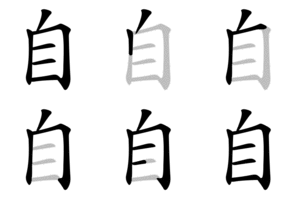 | |||
Han character
自 (Kangxi radical 132, 自+0, 6 strokes, cangjie input 竹月山 (HBU), four-corner 26000, composition ⿱丿目)
- Kangxi radical #132, ⾃.
Derived characters
References
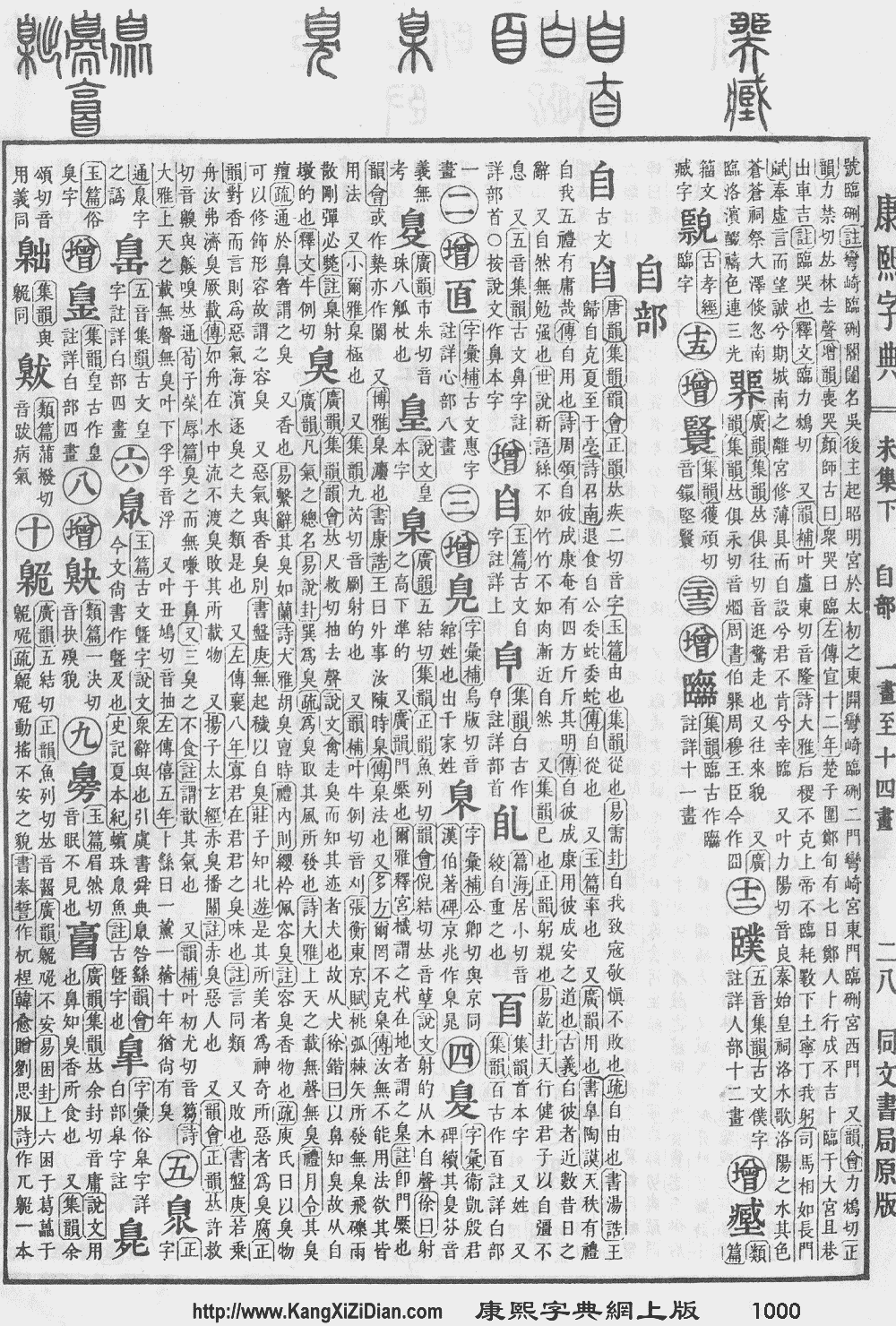
- Kangxi Dictionary: page 1000, character 7
- Dai Kanwa Jiten: character 30095
- Dae Jaweon: page 1452, character 1
- Hanyu Da Zidian (first edition): volume 5, page 3046, character 1
- Unihan data for U+81EA
Chinese
| simp. and trad. |
自 | |
|---|---|---|
Glyph origin
| Historical forms of the character 自 | |||||
|---|---|---|---|---|---|
| Shang | Western Zhou | Warring States | Shuowen Jiezi (compiled in Han) | Liushutong (compiled in Ming) | |
| Oracle bone script | Bronze inscriptions | Chu slip and silk script | Ancient script | Small seal script | Transcribed ancient scripts |
 |
 |
 |
 |
 |
 |
Characters in the same phonetic series (自) (Zhengzhang, 2003)
Originally a pictogram (象形) of a nose; in China (and East Asia) one points at one’s nose to indicate oneself, hence an ideogram (指事) of “self”.
The original meaning of “nose” has been replaced by 鼻.
Pronunciation 1
Definitions
自
Compounds
- 三自 (sānzì)
- 三自性
- 不怒自威
- 不打自招 (bùdǎzìzhāo)
- 不擊自走/不击自走
- 不攻自破 (bùgōngzìpò)
- 不求自得
- 不由自主 (bùyóuzìzhǔ)
- 不能自休
- 不能自免
- 不能自制
- 不能自已 (bùnéngzìyǐ)
- 不能自拔 (bùnéngzìbá)
- 不能自給/不能自给
- 不自在
- 不自外
- 不自涯
- 不自然 (bùzìrán)
- 不自知
- 不自禁
- 不自覺/不自觉 (bùzìjué)
- 不自量 (bùzìliàng)
- 不自量力 (bùzìliànglì)
- 不請自來/不请自来 (bùqǐngzìlái)
- 且自
- 五峰土家族自治縣/五峰土家族自治县 (Wǔfēng Tǔjiāzú Zìzhìxiàn)
- 亡人自存
- 人不自安
- 人人自危 (rénrénzìwēi)
- 人自為戰/人自为战
- 人身自由 (rénshēn zìyóu)
- 作法自斃/作法自毙 (Zuòfǎzìbì)
- 作繭自縛/作茧自缚 (zuòjiǎnzìfú)
- 來去自如/来去自如
- 俛首自招/俯首自招
- 傲睨自若
- 儘自/尽自
- 優游自在/优游自在
- 兀自 (wùzì)
- 公海自由
- 其來有自/其来有自
- 冷暖自知
- 出版自由
- 出自娘胎
- 切腹自殺/切腹自杀
- 剛愎自用/刚愎自用 (gāngbìzìyòng)
- 剛戾自用/刚戾自用
- 剛而自矜/刚而自矜
- 剛褊自用/刚褊自用
- 力不自勝/力不自胜
- 升高自下
- 半自動/半自动 (bànzìdòng)
- 半途自畫/半途自画
- 卑以自牧
- 反躬自問/反躬自问 (fǎngōngzìwèn)
- 反躬自省 (fǎngōngzìxǐng)
- 反躬自責/反躬自责
- 吐絲自縛/吐丝自缚
- 各自 (gèzì)
- 吃自來食/吃自来食
- 吃自在飯/吃自在饭
- 各自東西/各自东西
- 各自為戰/各自为战 (gèzìwéizhàn)
- 各自為政/各自为政 (gèzìwéizhèng)
- 各自獨立/各自独立
- 各自進行/各自进行
- 咎由自取 (jiùyóuzìqǔ)
- 唾面自乾/唾面自干
- 喜不自勝/喜不自胜
- 喜不自禁
- 喃喃自語/喃喃自语 (nánnánzìyǔ)
- 善自為謀/善自为谋
- 四大自由
- 地方自治 (dìfāng zìzhì)
- 夜郎自大 (yèlángzìdà)
- 大不自在
- 大學自治/大学自治
- 大自然 (dàzìrán)
- 天助自助 (tiānzhùzìzhù)
- 夫子自道
- 天籟自鳴/天籁自鸣
- 太陽自轉/太阳自转
- 奚自
- 奮發自強/奋发自强
- 好不自在
- 好自在
- 妄自尊大 (wàngzìzūndà)
- 好自為之/好自为之
- 好自矜誇/好自矜夸
- 妄自菲薄 (wàngzìfěibó)
- 妨害自由
- 威福自己
- 婚姻自由
- 孤芳自賞/孤芳自赏 (gūfāngzìshǎng)
- 孤高自許/孤高自许
- 學術自由/学术自由 (xuéshù zìyóu)
- 安靜自在/安静自在
- 宗教自由 (zōngjiào zìyóu)
- 尚古自
- 居住自由
- 居功自傲 (jūgōngzì'ào)
- 居功自恃
- 崖岸自高
- 師心自是/师心自是
- 師心自用/师心自用 (shīxīnzìyòng)
- 庸人自擾/庸人自扰 (yōngrénzìrǎo)
- 弊帚自珍
- 引以自豪
- 引咎自責/引咎自责
- 引火自焚
- 引虎自衛/引虎自卫
- 徑自/径自 (jìngzì)
- 從容自在/从容自在
- 從容自若/从容自若
- 心靜自然涼/心静自然凉 (xīn jìng zìrán liáng)
- 怡然自娛/怡然自娱
- 怡然自得 (yíránzìdé)
- 怡然自悅/怡然自悦
- 怡然自樂/怡然自乐
- 怡然自足
- 恃才自專/恃才自专
- 恩施土家族苗族自治州 (Ēnshī Tǔjiāzú Miáozú Zìzhìzhōu)
- 悠然自得 (yōuránzìdé)
- 悠然自適/悠然自适
- 悔罪自新
- 悔過自懺/悔过自忏
- 悔過自新/悔过自新 (huǐguòzìxīn)
- 悔過自責/悔过自责
- 悠閒自在/悠闲自在
- 情不自勝/情不自胜
- 悲不自勝/悲不自胜
- 情不自堪
- 情不自禁 (qíngbùzìjīn)
- 悵然自失/怅然自失
- 意氣自如/意气自如
- 意氣自得/意气自得
- 意氣自若/意气自若
- 意見自由/意见自由
- 慢性自殺/慢性自杀
- 應付自如/应付自如
- 打自得兒/打自得儿
- 捫心自問/扪心自问 (ménxīnzìwèn)
- 揚揚自得/扬扬自得
- 揚揚自若/扬扬自若
- 揮灑自如/挥洒自如 (huīsǎzìrú)
- 撫心自問/抚心自问 (fǔxīnzìwèn)
- 撫躬自問/抚躬自问 (fǔgōngzìwèn)
- 擁兵自固/拥兵自固
- 操縱自如/操纵自如
- 擅自 (shànzì)
- 擅自作主
- 收放自如
- 改過自新/改过自新 (gǎiguòzìxīn)
- 放任自流
- 放虎自衛/放虎自卫
- 故步自封 (gùbùzìfēng)
- 故自
- 故自傷殘/故自伤残
- 敝屣自珍
- 敝帚自珍 (bìzhǒuzìzhēn)
- 敢自 (gǎnzì)
- 文責自負/文责自负
- 新聞自由/新闻自由 (xīnwén zìyóu)
- 暗自 (ànzì)
- 暗自竊喜/暗自窃喜
- 本自
- 束身自修
- 杜門自絕/杜门自绝
- 果熟自落
- 欣欣自得
- 欣然自喜
- 欣然自得
- 欣然自樂/欣然自乐
- 欺人自欺
- 正自 (zhèngzì)
- 殿鐘自鳴/殿钟自鸣
- 毛遂自薦/毛遂自荐 (máosuìzìjiàn)
- 民族自決/民族自决
- 汪洋自恣
- 汪洋自肆
- 泥水自蔽
- 沾沾自喜 (zhānzhānzìxǐ)
- 沾沾自滿/沾沾自满
- 沾沾自足
- 泰然自若 (tàiránzìruò)
- 洗心自新
- 洋洋自得 (yángyángzìdé)
- 海西蒙古族藏族自治州
- 渾樸自然/浑朴自然
- 源自 (yuánzì)
- 滿拚自盡/满拚自尽 (mǎnpànzìjìn)
- 潔身自好/洁身自好
- 潔身自愛/洁身自爱 (jiéshēnzì'ài)
- 瀟灑自若/潇洒自若
- 為法自弊/为法自弊
- 無以自容/无以自容
- 無地自容/无地自容 (wúdìzìróng)
- 無地自處/无地自处
- 無師自通/无师自通 (wúshīzìtōng)
- 無為自化/无为自化
- 無病自灸/无病自灸
- 燃糠自照
- 爽然自失
- 狂妄自大 (kuángwàngzìdà)
- 狠愎自用
- 猶古自/犹古自
- 猶自/犹自 (yóuzì)
- 獨吃自痾/独吃自疴
- 獨立自主/独立自主 (dúlìzìzhǔ)
- 獨自/独自 (dúzì)
- 獨自個/独自个
- 玩火自焚 (wánhuǒzìfén)
- 瑪自達神/玛自达神
- 畏罪自殺/畏罪自杀
- 畫地自限/画地自限
- 登高自卑
- 監主自盜/监主自盗
- 監守自盜/监守自盗 (jiānshǒuzìdào)
- 監臨自盜/监临自盗
- 直自
- 矜功自伐
- 矜己自飾/矜己自饰
- 短垣自逾
- 矯情自飾/矫情自饰
- 神態自如/神态自如
- 神態自若/神态自若
- 神籟自韻/神籁自韵
- 神色自得
- 神色自若
- 私自 (sīzì)
- 空自
- 立功自效
- 緊自/紧自
- 羔酒自勞/羔酒自劳
- 聊以自慰
- 聽其自然/听其自然
- 肅北蒙古族自治縣/肃北蒙古族自治县
- 能忍自安
- 膏火自煎
- 臨危自悔/临危自悔
- 臨危自省/临危自省
- 臨危自計/临危自计
- 自不待言 (zìbùdàiyán)
- 自不量力 (zìbùliànglì)
- 自主 (zìzhǔ)
- 自主國/自主国
- 自主旅遊/自主旅游
- 自主遊/自主游
- 自乘 (zìchéng)
- 自乾五/自干五 (zìgānwǔ)
- 自亂/自乱 (zìluàn)
- 自了
- 自今 (zìjīn)
- 自以為是/自以为是 (zìyǐwéishì)
- 自伐
- 自作主張/自作主张 (zìzuòzhǔzhāng)
- 自作多情 (zìzuòduōqíng)
- 自作孽 (zìzuòniè)
- 自作孽,不可活 (zìzuòniè, bùkěhuó)
- 自作聰明/自作聪明 (zìzuòcōngmíng)
- 自作自受 (zìzuòzìshòu)
- 自作自用
- 自來/自来 (zìlái)
- 自來水/自来水 (zìláishuǐ)
- 自來水筆/自来水笔
- 自來火/自来火 (zìláihuǒ)
- 自供狀/自供状 (zìgòngzhuàng)
- 自信 (zìxìn)
- 自保 (zìbǎo)
- 自侮
- 自便 (zìbiàn)
- 自信心 (zìxìnxīn)
- 自信滿滿/自信满满
- 自修 (zìxiū)
- 自個兒/自个儿 (zìgěr)
- 自備/自备 (zìbèi)
- 自傳/自传 (zìzhuàn)
- 自傷/自伤 (zìshāng)
- 自傲 (zì'ào)
- 自僝自僽
- 自全之計/自全之计
- 自出一家
- 自出機杼/自出机杼 (zìchūjīzhù)
- 自分 (zìfèn)
- 自刎 (zìwěn)
- 自利 (zìlì)
- 自制 (zìzhì)
- 自剄/自刭 (zìjǐng)
- 自創/自创 (zìchuàng)
- 自創新意/自创新意
- 自力 (zìlì)
- 自力救濟/自力救济 (zìlì jiùjì)
- 自力更生
- 自助 (zìzhù)
- 自助人助
- 自助旅行
- 自助旅遊/自助旅游
- 自助餐 (zìzhùcān)
- 自勉 (zìmiǎn)
- 自動/自动 (zìdòng)
- 自動光圈/自动光圈
- 自動化/自动化 (zìdònghuà)
- 自動尋線/自动寻线
- 自動控制/自动控制
- 自動排檔/自动排档 (zìdòng páidǎng)
- 自動步槍/自动步枪 (zìdòng bùqiāng)
- 自動翻譯/自动翻译
- 自動自發/自动自发
- 自動辨識/自动辨识
- 自動鉛筆/自动铅笔 (zìdòng qiānbǐ)
- 自動門/自动门 (zìdòngmén)
- 自動電話/自动电话
- 自勵/自励 (zìlì)
- 自卑 (zìbēi)
- 自卑感 (zìbēigǎn)
- 自危
- 自反
- 自取 (zìqǔ)
- 自取其咎 (zìqǔqíjiù)
- 自取其禍/自取其祸 (zìqǔqíhuò)
- 自取其辱 (zìqǔqírǔ)
- 自取滅亡/自取灭亡 (zìqǔmièwáng)
- 自古 (zìgǔ)
- 自同寒蟬/自同寒蝉
- 自告奮勇/自告奋勇 (zìgàofènyǒng)
- 自吹自擂 (zìchuīzìléi)
- 自命 (zìmìng)
- 自咎
- 自命不凡 (zìmìngbùfán)
- 自命清高
- 自問/自问 (zìwèn)
- 自喻
- 自嗟自嘆/自嗟自叹
- 自嘆不如/自叹不如
- 自嘲 (zìcháo)
- 自圓其說/自圆其说 (zìyuánqíshuō)
- 自在
- 自在畫/自在画
- 自在窗
- 自在逍遙/自在逍遥
- 自在飯/自在饭
- 自墜陷阱/自坠陷阱
- 自外
- 自多
- 自大 (zìdà)
- 自失
- 自奉
- 自奉甚儉/自奉甚俭
- 自好
- 自如 (zìrú)
- 自始至終/自始至终 (zìshǐzhìzhōng)
- 自娛/自娱 (zìyú)
- 自娛娛人/自娱娱人
- 自媒
- 自學/自学 (zìxué)
- 自宅
- 自守
- 自宮/自宫 (zìgōng)
- 自家 (zìjiā)
- 自家人 (zìjiārén)
- 自寬/自宽
- 自封 (zìfēng)
- 自專/自专
- 自尊 (zìzūn)
- 自尊心 (zìzūnxīn)
- 自尋煩惱/自寻烦恼
- 自尋短見/自寻短见 (zìxúnduǎnjiàn)
- 自尊自大
- 自導自演/自导自演 (zìdǎozìyǎn)
- 自居 (zìjū)
- 自崖而反
- 自己 (zìjǐ)
- 自己人 (zìjǐrén)
- 自幼 (zìyòu)
- 自序 (zìxù)
- 自度
- 自度曲
- 自強/自强 (zìqiáng)
- 自強不息/自强不息 (zìqiángbùxī)
- 自強學堂/自强学堂
- 自強活動/自强活动
- 自律 (zìlǜ)
- 自後/自后 (zìhòu)
- 自從/自从 (zìcóng)
- 自得 (zìdé)
- 自得其樂/自得其乐 (zìdéqílè)
- 自忖
- 自性
- 自怨自歎/自怨自叹
- 自怨自艾 (zìyuànzìyì)
- 自恃 (zìshì)
- 自恣
- 自悔
- 自惜羽毛
- 自感 (zìgǎn)
- 自愛/自爱 (zì'ài)
- 自感應/自感应 (zìgǎnyìng)
- 自愧弗如 (zìkuìfúrú)
- 自慰 (zìwèi)
- 自慚形穢/自惭形秽 (zìcánxínghuì)
- 自憐/自怜 (zìlián)
- 自戀/自恋 (zìliàn)
- 自成一家 (zìchéngyījiā)
- 自成一格
- 自我 (zìwǒ)
- 自我中心 (zìwǒ zhōngxīn)
- 自我介紹/自我介绍 (zìwǒ jièshào)
- 自我作古
- 自我作故
- 自我反省 (zìwǒ fǎnxǐng)
- 自我吹噓/自我吹嘘
- 自我實現/自我实现
- 自我批評/自我批评 (zìwǒ pīpíng)
- 自我期許/自我期许
- 自我肯定
- 自我表現/自我表现 (zìwǒ biǎoxiàn)
- 自我解嘲
- 自我陶醉
- 自戕 (zìqiāng)
- 自打 (zìdǎ)
- 自打嘴巴
- 自找 (zìzhǎo)
- 自找罪受
- 自投羅網/自投罗网 (zìtóuluówǎng)
- 自找苦吃
- 自找麻煩/自找麻烦
- 自拔 (zìbá)
- 自拔來歸/自拔来归
- 自持 (zìchí)
- 自排 (zìpái)
- 自控
- 自掘墳墓/自掘坟墓 (zìjuéfénmù)
- 自掏腰包 (zì tāo yāobāo)
- 自摸 (zìmō)
- 自撰
- 自撓/自挠
- 自操井臼
- 自擾/自扰
- 自救 (zìjiù)
- 自救不暇
- 自敘帖/自叙帖
- 自斃/自毙 (zìbì)
- 自斟自飲/自斟自饮
- 自新 (zìxīn)
- 自是 (zìshì)
- 自暴自棄/自暴自弃 (zìbàozìqì)
- 自有公論/自有公论 (zì yǒu gōnglùn)
- 自有肺腸/自有肺肠
- 自有辦法/自有办法
- 自有道理 (zìyǒudàolǐ)
- 自查 (zìchá)
- 自棄/自弃 (zìqì)
- 自欺 (zìqī)
- 自欺欺人 (zìqīqīrén)
- 自此 (zìcǐ)
- 自殺/自杀 (zìshā)
- 自毀長城/自毁长城 (zìhuǐchángchéng)
- 自求多福 (zìqiúduōfú)
- 自決/自决 (zìjué)
- 自注
- 自況/自况
- 自治 (zìzhì)
- 自治區/自治区 (zìzhìqū)
- 自治州 (zìzhìzhōu)
- 自治會/自治会
- 自治行政
- 自治都市
- 自治領/自治领 (zìzhìlǐng)
- 自流 (zìliú)
- 自流井 (zìliújǐng)
- 自流灌溉
- 自淨作用/自净作用
- 自測/自测 (zìcè)
- 自滿/自满 (zìmǎn)
- 自瀆/自渎 (zìdú)
- 自焚 (zìfén)
- 自然 (zìrán)
- 自然主義/自然主义 (zìránzhǔyì)
- 自然人 (zìránrén)
- 自然保育
- 自然保護/自然保护
- 自然免疫
- 自然分類/自然分类
- 自然利率
- 自然力 (zìránlì)
- 自然堤
- 自然接種/自然接种
- 自然數/自然数 (zìránshù)
- 自然景觀/自然景观
- 自然村 (zìráncūn)
- 自然步道
- 自然汞
- 自然淘汰 (zìrán táotài)
- 自然災害/自然灾害 (zìrán zāihài)
- 自然營力/自然营力
- 自然率
- 自然現象/自然现象 (zìrán xiànxiàng)
- 自然生態/自然生态
- 自然界 (zìránjiè)
- 自然神論/自然神论 (zìránshénlùn)
- 自然科學/自然科学 (zìrán kēxué)
- 自然美
- 自然而然 (zìrán'érrán)
- 自然蛾眉
- 自然資源/自然资源 (zìrán zīyuán)
- 自然金
- 自然銅/自然铜
- 自然銀/自然银
- 自然鐵/自然铁
- 自然音程
- 自燃 (zìrán)
- 自營/自营 (zìyíng)
- 自營性/自营性
- 自珍
- 自理 (zìlǐ)
- 自甘墮落/自甘堕落 (zìgānduòluò)
- 自生自滅/自生自灭 (zìshēngzìmiè)
- 自用 (zìyòng)
- 自用車/自用车
- 自由 (zìyóu)
- 自由世界 (zìyóu shìjiè)
- 自由中國/自由中国 (Zìyóu Zhōngguó)
- 自由主義/自由主义 (zìyóuzhǔyì)
- 自由公債/自由公债
- 自由刑 (zìyóuxíng)
- 自由城
- 自由報業/自由报业
- 自由市
- 自由市場/自由市场 (zìyóu shìchǎng)
- 自由心證/自由心证 (zìyóu xīnzhèng)
- 自由意志 (zìyóu yìzhì)
- 自由戀愛/自由恋爱
- 自由放任 (zìyóufàngrèn)
- 自由日
- 自由業/自由业
- 自由權/自由权
- 自由泳 (zìyóuyǒng)
- 自由港 (zìyóugǎng)
- 自由球
- 自由畫/自由画
- 自由稅率/自由税率
- 自由競爭/自由竞争 (zìyóu jìngzhēng)
- 自由經濟/自由经济
- 自由職業/自由职业 (zìyóu zhíyè)
- 自由能 (zìyóunéng)
- 自由自在 (zìyóuzìzài)
- 自由裁量
- 自由詞組/自由词组
- 自由詩/自由诗 (zìyóushī)
- 自由車/自由车 (zìyóuchē)
- 自由電子/自由电子 (zìyóu diànzǐ)
- 自由體操/自由体操 (zìyóu tǐcāo)
- 自由鬥士/自由斗士 (zìyóu dòushì)
- 自留地 (zìliúdì)
- 自留山
- 自當/自当 (zìdāng)
- 自發/自发 (zìfā)
- 自發運動/自发运动
- 自白 (zìbái)
- 自白書/自白书 (zìbáishū)
- 自益權/自益权
- 自盡/自尽 (zìjìn)
- 自省 (zìxǐng)
- 自相殘害/自相残害 (zìxiāngcánhài)
- 自相殘殺/自相残杀 (zìxiāngcánshā)
- 自相水火
- 自相矛盾 (zìxiāngmáodùn)
- 自相驚擾/自相惊扰
- 自相魚肉/自相鱼肉
- 自矜 (zìjīn)
- 自知 (zìzhī)
- 自知之明 (zìzhīzhīmíng)
- 自視/自视 (zìshì)
- 自視過高/自视过高
- 自私 (zìsī)
- 自私自利 (zìsīzìlì)
- 自稱/自称 (zìchēng)
- 自立 (zìlì)
- 自立一說/自立一说
- 自立自強/自立自强 (zìlìzìqiáng)
- 自立門戶/自立门户 (zìlìménhù)
- 自給/自给 (zìjǐ)
- 自絕/自绝 (zìjué)
- 自給自足/自给自足 (zìjǐzìzú)
- 自經/自经 (zìjīng)
- 自縊/自缢 (zìyì)
- 自縛/自缚
- 自繇自在 (zìyóuzìzài)
- 自習/自习 (zìxí)
- 自耕農/自耕农
- 自肥 (zìféi)
- 自花傳粉/自花传粉
- 自花受精
- 自苦 (zìkǔ)
- 自若 (zìruò)
- 自茲/自兹 (zìzī)
- 自薦/自荐 (zìjiàn)
- 自處/自处
- 自虞
- 自號/自号 (zìhào)
- 自行 (zìxíng)
- 自行車/自行车 (zìxíngchē)
- 自衒
- 自衛/自卫 (zìwèi)
- 自裁 (zìcái)
- 自製/自制 (zìzhì)
- 自見/自见
- 自覺/自觉 (zìjué)
- 自覺形穢/自觉形秽
- 自解
- 自言自語/自言自语 (zìyánzìyǔ)
- 自訂/自订 (zìdìng)
- 自討沒趣/自讨没趣
- 自討苦吃/自讨苦吃 (zìtǎokǔchī)
- 自訟/自讼
- 自許/自许
- 自訴/自诉
- 自訴人/自诉人
- 自詒伊戚/自诒伊戚
- 自詡/自诩 (zìxǔ)
- 自誇/自夸 (zìkuā)
- 自認/自认 (zìrèn)
- 自誤/自误 (zìwù)
- 自認倒楣/自认倒楣
- 自說自話/自说自话
- 自課/自课
- 自謙/自谦 (zìqiān)
- 自譴/自谴
- 自變數/自变数 (zìbiànshù)
- 自豪 (zìháo)
- 自負/自负 (zìfù)
- 自負不凡/自负不凡
- 自貢/自贡 (Zìgòng)
- 自責/自责 (zìzé)
- 自責分/自责分
- 自貶/自贬 (zìbiǎn)
- 自費/自费 (zìfèi)
- 自貽伊戚/自贻伊戚
- 自費生/自费生
- 自賣自誇/自卖自夸
- 自贊/自赞
- 自贖/自赎
- 自足 (zìzú)
- 自身 (zìshēn)
- 自身難保/自身难保 (zìshēnnánbǎo)
- 自輕自賤/自轻自贱 (zìqīngzìjiàn)
- 自轉/自转 (zìzhuàn)
- 自述 (zìshù)
- 自遣
- 自適/自适 (zìshì)
- 自選市場/自选市场
- 自鄶以下/自郐以下
- 自重 (zìzhòng)
- 自量 (zìliàng)
- 自銷/自销
- 自閉兒/自闭儿
- 自閉症/自闭症 (zìbìzhèng)
- 自陳/自陈 (zìchén)
- 自願/自愿 (zìyuàn)
- 自顧不暇/自顾不暇 (zìgùbùxiá)
- 自顧自/自顾自 (zìgùzì)
- 自食其力 (zìshíqílì)
- 自食其果 (zìshíqíguǒ)
- 自食惡果/自食恶果
- 自餒/自馁 (zìněi)
- 自首 (zìshǒu)
- 自體輸血/自体输血
- 自高自大 (zìgāozìdà)
- 自鳴得意/自鸣得意 (zìmíngdéyì)
- 自鳴鐘/自鸣钟 (zìmíngzhōng)
- 芒然自失
- 苟且自度
- 茫然自失 (mángránzìshī)
- 莊敬自強/庄敬自强
- 著作自由
- 蒙自 (Méngzì)
- 行動自如/行动自如
- 行遠自邇/行远自迩
- 親自/亲自 (qīnzì)
- 觀自在/观自在
- 言笑自如
- 言笑自若
- 言論自由/言论自由 (yánlùnzìyóu)
- 計過自訟/计过自讼
- 談笑自如/谈笑自如
- 談笑自若/谈笑自若 (tánxiào zìruò)
- 請自隗始/请自隗始
- 謙卑自牧/谦卑自牧
- 謙沖自牧/谦冲自牧 (qiānchōngzìmù)
- 謙虛自牧/谦虚自牧
- 謇諤自負/謇谔自负
- 超然自引
- 超然自得
- 超然自逸
- 超自然 (chāozìrán)
- 跋扈自恣
- 躬自 (gōngzì)
- 躬自菲薄
- 軒昂自若/轩昂自若
- 輕鬆自在/轻松自在
- 輕鬆自如/轻松自如
- 逕自/迳自 (jìngzì)
- 通訊自由/通讯自由
- 逍遙自在/逍遥自在
- 逍遙自娛/逍遥自娱
- 逍遙自得/逍遥自得
- 逸游自恣
- 運用自如/运用自如
- 遷徙自由/迁徙自由
- 閉關自守/闭关自守 (bìguānzìshǒu)
- 關稅自主/关税自主
- 阿克塞哈薩克族自治縣/阿克塞哈萨克族自治县 (Ākèsài Hāsàkèzú Zìzhìxiàn)
- 陶然自得
- 陽狂自免/阳狂自免
- 順其自然/顺其自然 (shùnqízìrán)
- 頭梢自領/头梢自领
- 頭稍自領/头稍自领
- 顧影自憐/顾影自怜
- 顧盼自豪/顾盼自豪
- 顧盼自雄/顾盼自雄
- 風流自賞/风流自赏
- 飲醇自醉/饮醇自醉
- 養癰自患/养痈自患
- 養虎自齧/养虎自啮
- 驕傲自滿/骄傲自满 (jiāo'ào zìmǎn)
- 驕矜自喜/骄矜自喜
- 高自位置
- 高自標樹/高自标树
- 高自標置/高自标置
- 高自驕大/高自骄大
- 黃自/黄自
References
- “自”, in 漢語多功能字庫 (Multi-function Chinese Character Database), 香港中文大學 (the Chinese University of Hong Kong), 2014–
Pronunciation 2
Japanese
Readings
Compounds
Compounds
- 自慰 (jī)
- 自演 (jien): starring in a movie or play one is also directing
- 自我 (jiga)
- 自画 (jiga): self-portrait
- 自戒 (jikai): self-admonishment
- 自覚 (jikaku)
- 自棄 (jiki)
- 自己 (jiko)
- 自在 (jizai)
- 自作 (jisaku)
- 自殺 (jisatsu): suicide
- 自賛 (jisan): self-praise
- 自主 (jishu)
- 自首 (jishu)
- 自信 (jishin)
- 自身 (jishin)
- 自責 (jiseki)
- 自然 (shizen)
- 自尊 (jison)
- 自体 (jitai)
- 自治 (jichi)
- 自答 (jitō)
- 自動, 自働 (jidō)
- 自分 (jibun)
- 自暴 (jibō): despair
- 自問 (jimon)
- 自由 (jiyū)
- 自力 (jiriki)
- 自立 (jiritsu)
- 自律 (jiritsu)
- 各自 (kakuji)
- 独自 (dokuji)
Korean
Okinawan
Compounds
- 自由 (jiyū)
Vietnamese
This article is issued from Wiktionary. The text is licensed under Creative Commons - Attribution - Sharealike. Additional terms may apply for the media files.