品
| ||||||||
Translingual
| Stroke order | |||
|---|---|---|---|
 | |||
Han character
品 (Kangxi radical 30, 口+6, 9 strokes, cangjie input 口口口 (RRR), four-corner 60660, composition ⿱口吅)
- Shuowen Jiezi radical №42
References
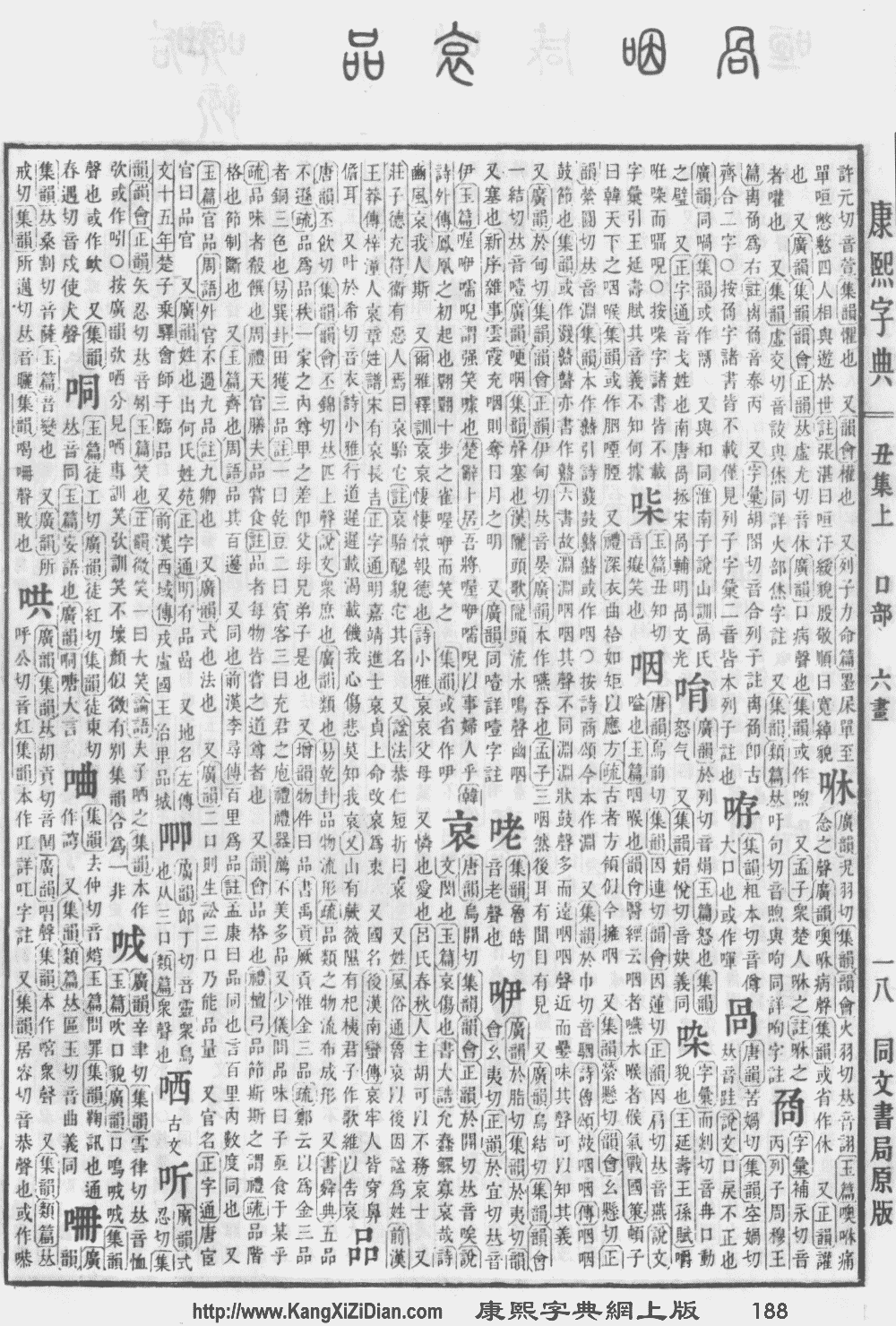
- Kangxi Dictionary: page 188, character 12
- Dai Kanwa Jiten: character 3581
- Dae Jaweon: page 407, character 12
- Hanyu Da Zidian (first edition): volume 1, page 615, character 10
- Unihan data for U+54C1
Chinese
| simp. and trad. |
品 | |
|---|---|---|
| alternative forms | 𠯮 | |
Glyph origin
| Historical forms of the character 品 | |||
|---|---|---|---|
| Shang | Western Zhou | Shuowen Jiezi (compiled in Han) | Liushutong (compiled in Ming) |
| Oracle bone script | Bronze inscriptions | Small seal script | Transcribed ancient scripts |
 |
 |
 |
 |
Characters in the same phonetic series (品) (Zhengzhang, 2003)
Ideogrammic compound (會意/会意) : Triplication of 口 (“mouth”). Also occurs in 區.
Pronunciation
Definitions
品
Compounds
- 一品
- 一品紅/一品红 (yīpǐnhóng)
- 一品鍋/一品锅
- 三品
- 上品 (shàngpǐn)
- 下品 (xiàpǐn)
- 中心商品
- 中間產品/中间产品
- 九品 (jiǔpǐn)
- 九品中正 (jiǔpǐn zhōngzhèng)
- 九品詞/九品词
- 乳品 (rǔpǐn)
- 乳製品/乳制品 (rǔzhìpǐn)
- 五品
- 人品 (rénpǐn)
- 代替品
- 代用品 (dàiyòngpǐn)
- 仿冒品
- 仿製品/仿制品 (fǎngzhìpǐn)
- 作品 (zuòpǐn)
- 低溫食品/低温食品
- 供品 (gòngpǐn)
- 保養品/保养品
- 偽品/伪品
- 健康食品 (jiànkāng shípǐn)
- 備品/备品 (bèipǐn)
- 備用品/备用品 (bèiyòngpǐn)
- 免稅品/免税品
- 冰品 (bīngpǐn)
- 冷凍食品/冷冻食品 (lěngdòng shípǐn)
- 凡品
- 出品 (chūpǐn)
- 出版品 (chūbǎnpǐn)
- 副產品/副产品 (fùchǎnpǐn)
- 加工品 (jiāgōngpǐn)
- 劣品
- 化妝品/化妆品 (huàzhuāngpǐn)
- 半成品 (bànchéngpǐn)
- 半製品/半制品 (bànzhìpǐn)
- 印刷品 (yìnshuāpǐn)
- 品位 (pǐnwèi)
- 品位分類/品位分类
- 品例
- 品名 (pǐnmíng)
- 品味 (pǐnwèi)
- 品嘗/品尝 (pǐncháng)
- 品嚐/品尝 (pǐncháng)
- 品學/品学
- 品學兼優/品学兼优 (pǐnxuéjiānyōu)
- 品官
- 品度
- 品庶
- 品弄
- 品彙/品汇
- 品從/品从
- 品德 (pǐndé)
- 品性 (pǐnxìng)
- 品月
- 品服
- 品望
- 品柱 (pǐnzhù)
- 品格 (pǐngé)
- 品格教育
- 品格清高
- 品次
- 品流
- 品牌 (pǐnpái)
- 品物 (pǐnwù)
- 品理
- 品田
- 品目 (pǐnmù)
- 品相 (pǐnxiàng)
- 品秩
- 品種/品种 (pǐnzhǒng)
- 品種改良/品种改良
- 品竹彈絲/品竹弹丝
- 品竹調弦/品竹调弦
- 品竹調絲/品竹调丝
- 品第 (pǐndì)
- 品節/品节 (pǐnjié)
- 品管
- 品管員/品管员
- 品管圈
- 品簫/品箫
- 品紅/品红 (pǐnhóng)
- 品級/品级 (pǐnjí)
- 品綠/品绿
- 品脫/品脱 (pǐntuō)
- 品花寶鑑/品花宝鉴
- 品茶 (pǐnchá)
- 品茗 (pǐnmíng)
- 品蓮臺/品莲台
- 品藻
- 品行 (pǐnxíng)
- 品行端醇
- 品評/品评 (pǐnpíng)
- 品調/品调
- 品貌 (pǐnmào)
- 品貌風流/品貌风流
- 品質/品质 (pǐnzhì)
- 品質管制/品质管制
- 品酒 (pǐnjiǔ)
- 品酒師/品酒师
- 品量
- 品鑑/品鉴
- 品頭論足/品头论足
- 品頭題足/品头题足
- 品題/品题 (pǐntí)
- 品類/品类 (pǐnlèi)
- 品食
- 品高德重
- 商品 (shāngpǐn)
- 商品情報/商品情报
- 商品條碼/商品条码
- 商品檢驗/商品检验
- 國產品/国产品
- 大品般若
- 奢侈品 (shēchǐpǐn)
- 奶品 (nǎipǐn)
- 妙品
- 官品 (guānpǐn)
- 宣傳品/宣传品 (xuānchuánpǐn)
- 對品調用/对品调用
- 小品 (xiǎopǐn)
- 小品文 (xiǎopǐnwén)
- 展覽品/展览品 (zhǎnlǎnpǐn)
- 工藝品/工艺品 (gōngyìpǐn)
- 差品
- 廢品/废品 (fèipǐn)
- 強化食品/强化食品
- 彈絲品竹/弹丝品竹
- 微波食品
- 必需品 (bìxūpǐn)
- 成品 (chéngpǐn)
- 戰利品/战利品 (zhànlìpǐn)
- 手工藝品/手工艺品 (shǒugōngyìpǐn)
- 抵押品 (dǐyāpǐn)
- 拳頭產品/拳头产品
- 擔保品/担保品
- 敦品勵學/敦品励学 (dūnpǐnlìxué)
- 日用品 (rìyòngpǐn)
- 晚明小品 (Wǎn Míng Xiǎopǐn)
- 普門品/普门品
- 書品/书品
- 替代品 (tìdàipǐn)
- 果品 (guǒpǐn)
- 棋品
- 棉織品/棉织品
- 極品/极品 (jípǐn)
- 樣品/样品 (yàngpǐn)
- 樂品/乐品
- 樣品屋/样品屋
- 次品 (cìpǐn)
- 正品 (zhèngpǐn)
- 殊品
- 殉葬品
- 殘品/残品 (cánpǐn)
- 毒品 (dúpǐn)
- 毛織品/毛织品 (máozhīpǐn)
- 民用品
- 油品 (yóupǐn)
- 流品
- 流當品/流当品
- 消耗品 (xiāohàopǐn)
- 消費品/消费品 (xiāofèipǐn)
- 滋養品/滋养品
- 無印良品/无印良品
- 無品/无品
- 物品 (wùpǐn)
- 特價品/特价品
- 犧牲品/牺牲品 (xīshēngpǐn)
- 獎品/奖品 (jiǎngpǐn)
- 珍品 (zhēnpǐn)
- 甄才品能
- 甜品 (tiánpǐn)
- 生活品質/生活品质
- 生物食品
- 產品/产品 (chǎnpǐn)
- 產品/产品 (chǎnpǐn)
- 產品組合/产品组合
- 產品線/产品线 (chǎnpǐnxiàn)
- 用品 (yòngpǐn)
- 皮製品/皮制品
- 相容產品/相容产品
- 真品
- 神品
- 祭品 (jìpǐn)
- 禁品 (jìnpǐn)
- 禁製品/禁制品 (jìnzhìpǐn)
- 禮品/礼品 (lǐpǐn)
- 禮品店/礼品店 (lǐpǐndiàn)
- 禮品書/礼品书
- 立品
- 管制品
- 粗品
- 粗製品/粗制品
- 精品 (jīngpǐn)
- 紀念品/纪念品 (jìniànpǐn)
- 純品/纯品
- 紡織品/纺织品 (fǎngzhīpǐn)
- 絕世孤品/绝世孤品
- 絕品/绝品
- 絲織品/丝织品 (sīzhīpǐn)
- 美術品/美术品 (měishùpǐn)
- 耐久品
- 聖品/圣品
- 能品
- 脫水食品/脱水食品
- 臺灣精品/台湾精品
- 舶來品/舶来品 (bóláipǐn)
- 花品
- 茶品 (chápǐn)
- 藝品/艺品 (yìpǐn)
- 藥品/药品 (yàopǐn)
- 藝術品/艺术品 (yìshùpǐn)
- 處理品/处理品 (chǔlǐpǐn)
- 虛擬樣品/虚拟样品
- 補品/补品 (bǔpǐn)
- 補給品/补给品
- 裝飾品/装饰品 (zhuāngshìpǐn)
- 製品/制品 (zhìpǐn)
- 製造品/制造品
- 複印品/复印品
- 複品牌/复品牌
- 複製品/复制品 (fùzhìpǐn)
- 評品/评品
- 評頭品足/评头品足
- 詩品/诗品
- 調味品/调味品 (tiáowèipǐn)
- 調絃品竹/调弦品竹
- 調絲品竹/调丝品竹
- 貢品/贡品 (gòngpǐn)
- 貨品/货品 (huòpǐn)
- 貴品/贵品
- 賚品/赉品
- 賭品/赌品
- 贈品/赠品 (zèngpǐn)
- 贗品/赝品 (yànpǐn)
- 軍品/军品
- 農產品/农产品 (nóngchǎnpǐn)
- 逸品 (yìpǐn)
- 違禁品/违禁品 (wéijìnpǐn)
- 配給品/配给品
- 金融商品
- 針織品/针织品 (zhēnzhīpǐn)
- 附屬品/附属品 (fùshǔpǐn)
- 阿托品 (ātuōpǐn)
- 陶土製品/陶土制品
- 陪葬品 (péizàngpǐn)
- 非賣品/非卖品 (fēimàipǐn)
- 音像製品/音像制品
- 音品
- 題品/题品
- 食品 (shípǐn)
- 食品工業/食品工业
- 食品衛生/食品卫生
- 高品
- 高官極品/高官极品
- 鹼性食品/碱性食品
- 鹽藏品/盐藏品
- 麻織品/麻织品
- 麻醉藥品/麻醉药品
Descendants
Others:
References
- Dictionary of Chinese Character Variants (教育部異體字字典), A00575
- “品”, in 漢語多功能字庫 (Multi-function Chinese Character Database), 香港中文大學 (the Chinese University of Hong Kong), 2014–
Japanese
Compounds
Compounds
- 品薄 (shinausu)
- 品切れ (shinagire)
- 品定め (shinasadame)
- 品物 (shinamono)
- 品位 (hin'i)
- 品格 (hinkaku)
- 品行 (hinkō)
- 品行方正 (hinkōhōsei)
- 品詞 (hinshi)
- 品質 (hinshitsu)
- 品種 (hinshu)
- 品性 (hinsei)
- 品題 (hindai): evaluation; title
- 品茶 (hincha): tea evaluation; a game of drinking varieties of tea and guessing them correctly
- 品評 (hinpyō)
- 品目 (hinmoku)
- 商品 (shōhin)
Etymology 1
| Kanji in this term |
|---|
| 品 |
| しな Grade: 3 |
| kun’yomi |
Etymology 2
| Kanji in this term |
|---|
| 品 |
| ひん Grade: 3 |
| kan’on |
See also
- 品位 (hin'i)
Etymology 3
| Kanji in this term |
|---|
| 品 |
| ほん Grade: 3 |
| goon |
Counter
品 • (-hon)
See also
- 品位 (hon'i)
References
- Matsumura, Akira, editor (2006), 大辞林 [Daijirin] (in Japanese), Third edition, Tōkyō: Sanseidō, →ISBN
Korean
Etymology
From Middle Chinese 品 (MC phimX).
| Historical readings |
|---|
|
Pronunciation
- (SK Standard/Seoul) IPA(key): [pʰu(ː)m]
- Phonetic hangul: [품(ː)]
- Though still prescribed in Standard Korean, most speakers in both Koreas no longer distinguish vowel length.
Compounds
Compounds
- 품질 (品質, pumjil)
- 제품 (製品, jepum)
- 상품 (商品, sangpum)
- 식품 (食品, sikpum)
- 물품 (物品, mulpum)
- 부품 (部品, bupum)
- 작품 (作品, jakpum)
- 납품 (納品, nap'pum)
- 금품 (金品, geumpum)
- 품목 (品目, pummok)
- 비품 (菲品, bipum)
- 성품 (性品, seongpum)
- 품성 (品性, pumseong)
- 약품 (藥品, yakpum)
- 진품 (眞品, jinpum)
- 명품 (名品, myeongpum)
- 인품 (人品, inpum)
- 품격 (品格, pumgyeok)
- 품귀 (品貴, pumgwi)
- 품행 (品行, pumhaeng)
- 품등 (品等, pumdeung)
- 정품 (正品, jeongpum)
- 경품 (景品, gyeongpum)
- 품위 (品位, pumwi)
- 품정 (品定, pumjeong)
- 품평 (品評, pumpyeong)
- 품종 (品種, pumjong)
- 상품 (上品, sangpum)
- 반품 (返品, banpum)
- 품계 (品階, pumgye)
- 용품 (用品, yongpum)
- 품사 (品詞, pumsa)
- 오품 (五品, opum)
- 출품 (出品, chulpum)
- 대품 (代品, daepum)
- 비품 (備品, bipum)
- 사품 (私品, sapum)
- 일품 (一品, ilpum)
- 소품 (小品, sopum)
Old Japanese
Etymology
From Middle Chinese 品 (MC phimX).
Usage notes
Only used in the prose of the Kojiki of 712 CE (Miyake (2003) p. 254).
Further reading
- Miyake (2003) p. 254
Vietnamese
This article is issued from Wiktionary. The text is licensed under Creative Commons - Attribution - Sharealike. Additional terms may apply for the media files.