問
| ||||||||
| ||||||||
Translingual
| Stroke order | |||
|---|---|---|---|
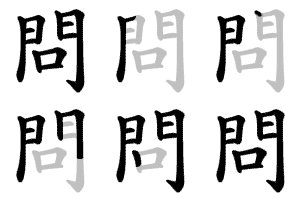 | |||
| Stroke order (alternative) | |||
|---|---|---|---|
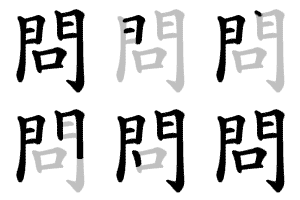 | |||
Han character
問 (Kangxi radical 30, 口+8, 11 strokes, cangjie input 日弓口 (ANR), four-corner 77607, composition ⿵門口)
References
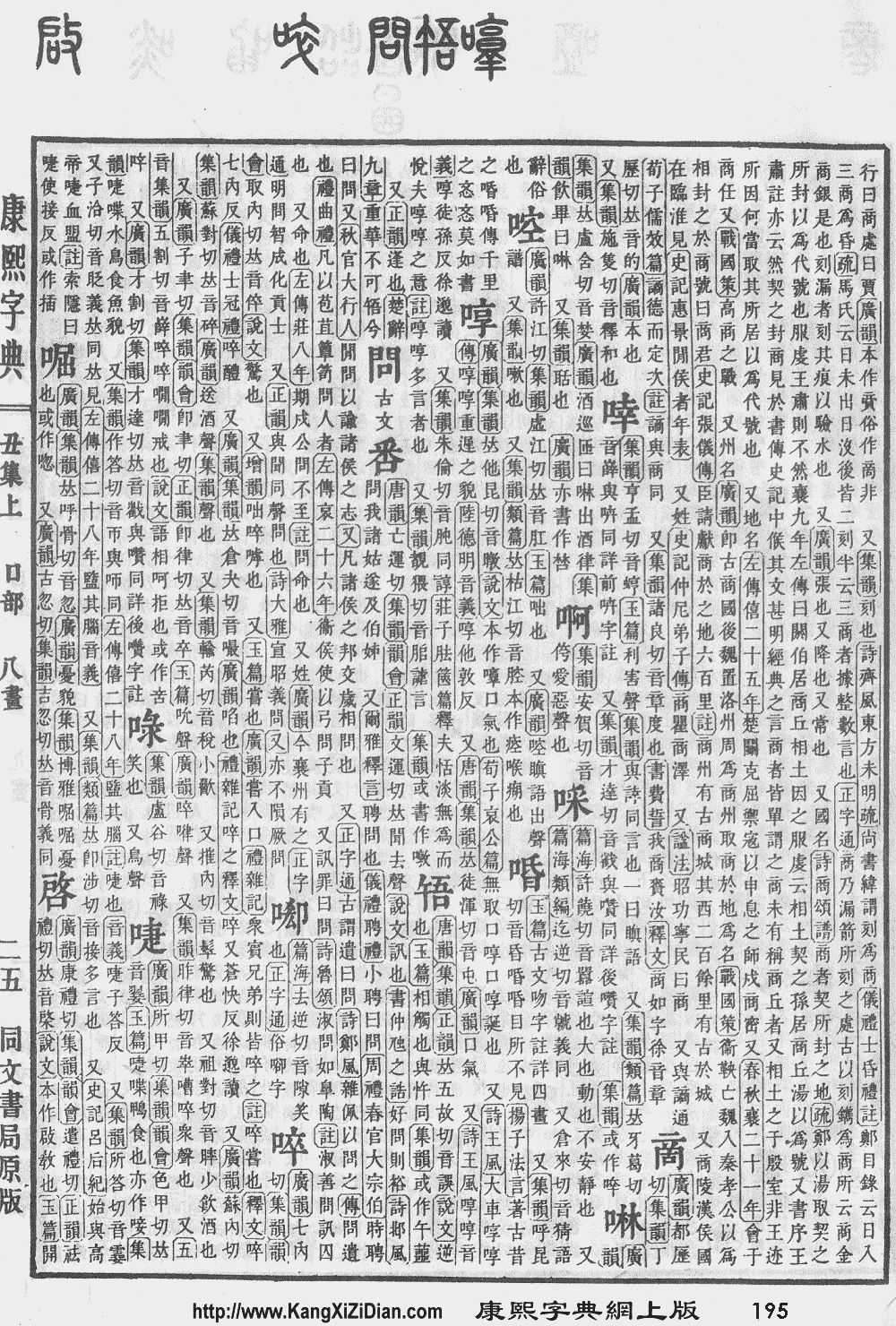
- Kangxi Dictionary: page 195, character 10
- Dai Kanwa Jiten: character 3814
- Dae Jaweon: page 416, character 10
- Hanyu Da Zidian (first edition): volume 7, page 4284, character 3
- Unihan data for U+554F
Chinese
| trad. | 問 | |
|---|---|---|
| simp. | 问 | |
Glyph origin
Characters in the same phonetic series (門) (Zhengzhang, 2003)
Phono-semantic compound (形聲/形声, OC *mɯns) : phonetic 門 (OC *mɯːn) + semantic 口.
Etymology
Exoactive derivation of 聞 (OC *mɯn, “to hear”) with suffix *-s, literally "let (me) hear" (Schuessler, 2007). See there for more.
Pronunciation
Definitions
問
- to ask
- to inquire about; to ask about
- to send one's regards; to send one's respects; to greet; to ask how someone is; to show concern to someone
- to try; to interrogate; to subject to an inquest
- to call to account; to hold to account; to take to task
- to interfere; to intervene; to meddle
- (colloquial) to; from
- a surname: Wen
Synonyms
- (to ask):
- (to inquire about):
- (to send one's regards):
- (to try):
- (to call to account):
- (to interfere):
Compounds
- 下問/下问 (xiàwèn)
- 三推六問/三推六问
- 三敲六問/三敲六问
- 不問/不问 (bùwèn)
- 不問皁白/不问皁白
- 不問青黃/不问青黄
- 不恥下問/不耻下问 (bùchǐxiàwèn)
- 不相聞問/不相闻问
- 不聞不問/不闻不问 (bùwénbùwèn)
- 不通聞問/不通闻问
- 不過問/不过问
- 丙吉問牛/丙吉问牛
- 乏人問津/乏人问津 (fárénwènjīn)
- 人口問題/人口问题
- 借問/借问 (jièwèn)
- 候問/候问
- 偢問/偢问
- 做學問/做学问 (zuò xuéwèn)
- 元好問/元好问
- 先決問題/先决问题
- 入國問俗/入国问俗
- 入境問俗/入境问俗
- 入境問禁/入境问禁
- 六問三推/六问三推
- 冷帳不問/冷帐不问
- 出問題/出问题
- 刑問/刑问 (xíngwèn)
- 刨根問底/刨根问底 (páogēnwèndǐ)
- 動問/动问 (dòngwèn)
- 勘問/勘问
- 勞工問題/劳工问题
- 反問/反问 (fǎnwèn)
- 反躬自問/反躬自问 (fǎngōngzìwèn)
- 取問/取问
- 叮問/叮问 (dīngwèn)
- 吉問/吉问
- 含蓼問疾/含蓼问疾
- 呵壁問天/呵壁问天
- 問一答十/问一答十
- 問七問八/问七问八
- 問世/问世 (wènshì)
- 問事/问事
- 問事獄具/问事狱具
- 問住/问住
- 問俗/问俗
- 問候/问候 (wènhòu)
- 問卜/问卜 (wènbǔ)
- 問卷/问卷 (wènjuàn)
- 問卷調查/问卷调查 (wènjuàn diàochá)
- 問名/问名
- 問天買卦/问天买卦
- 問好/问好 (wènhǎo)
- 問字/问字
- 問安/问安 (wèn'ān)
- 問安視膳/问安视膳
- 問官/问官
- 問官答花/问官答花
- 問寒問暖/问寒问暖 (wènhánwènnuǎn)
- 問寢/问寝
- 問對/问对
- 問屋/问屋
- 問心/问心 (wènxīn)
- 問心無愧/问心无愧 (wènxīnwúkuì)
- 問成/问成
- 問政/问政
- 問斷/问断
- 問東問西/问东问西
- 問柳尋花/问柳寻花
- 問柳評花/问柳评花
- 問案/问案 (wèn'àn)
- 問津/问津 (wènjīn)
- 問牛/问牛
- 問牛知馬/问牛知马
- 問理/问理
- 問當/问当
- 問禁/问禁
- 問答/问答 (wèndá)
- 問答題/问答题
- 問結/问结
- 問罪/问罪 (wènzuì)
- 問罪之師/问罪之师
- 問羊知馬/问羊知马
- 問肯/问肯
- 問舍求田/问舍求田
- 問荊/问荆
- 問號/问号 (wènhào)
- 問訊/问讯 (wènxùn)
- 問診/问诊 (wènzhěn)
- 問話/问话 (wènhuà)
- 問諸水濱/问诸水滨
- 問路/问路 (wènlù)
- 問輸/问输
- 問道於盲/问道于盲
- 問遣/问遣
- 問遺/问遗
- 問長問短/问长问短 (wènchángwènduǎn)
- 問難/问难
- 問頭/问头
- 問題/问题 (wèntí)
- 問題兒童/问题儿童
- 問題劇/问题剧
- 問題少年/问题少年
- 問鼎/问鼎 (wèndǐng)
- 嘉問/嘉问
- 噓寒問暖/嘘寒问暖 (xūhánwènnuǎn)
- 國策顧問/国策顾问
- 垂問/垂问
- 執經問難/执经问难
- 大學問/大学问
- 天問/天问
- 套問/套问
- 好問/好问 (hàowèn)
- 存問/存问
- 學問/学问 (xuéwèn)
- 學問有素/学问有素
- 學問淵博/学问渊博
- 宋之問/宋之问
- 家問/家问
- 家庭訪問/家庭访问
- 審問/审问 (shěnwèn)
- 尋山問水/寻山问水
- 尋根問底/寻根问底
- 尋芳問柳/寻芳问柳 (xúnfāngwènliǔ)
- 尋花問柳/寻花问柳 (xúnhuāwènliǔ)
- 弔問/吊问 (diàowèn)
- 弔喪問疾/吊丧问疾
- 弔死問疾/吊死问疾
- 慰問/慰问 (wèiwèn)
- 慰問金/慰问金
- 打個問號/打个问号
- 打問/打问
- 打問訊/打问讯
- 扣問/扣问 (kòuwèn)
- 承問/承问
- 投石問路/投石问路 (tóushíwènlù)
- 按問/按问
- 拷問/拷问 (kǎowèn)
- 拿問/拿问 (náwèn)
- 探問/探问 (tànwèn)
- 推問/推问
- 掏問/掏问
- 捫心自問/扪心自问 (ménxīnzìwèn)
- 採風問俗/采风问俗
- 提問/提问 (tíwèn)
- 搜根問底/搜根问底
- 摘三問四/摘三问四
- 撫心自問/抚心自问 (fǔxīnzìwèn)
- 撫躬自問/抚躬自问 (fǔgōngzìwèn)
- 擿問/擿问
- 啟問/启问
- 明知故問/明知故问 (míngzhīgùwèn)
- 書目答問/书目答问
- 望聞問切/望闻问切 (wàngwénwènqiè)
- 查問/查问 (cháwèn)
- 案問/案问
- 根問/根问
- 楚莊問鼎/楚庄问鼎
- 榮問/荣问
- 榕壇問業/榕坛问业
- 此問彼難/此问彼难
- 每事問/每事问 (měishìwèn)
- 民生問題/民生问题
- 求田問舍/求田问舍
- 求神問卜/求神问卜 (qiúshénwènbǔ)
- 沒學問/没学问
- 泛問/泛问
- 治問/治问
- 淑問/淑问
- 潛圖問鼎/潜图问鼎
- 激問/激问
- 無人問津/无人问津 (wúrénwènjīn)
- 煩問/烦问
- 理問/理问
- 疑問/疑问 (yíwèn)
- 疑問代詞/疑问代词 (yíwèn dàicí)
- 疑問句/疑问句
- 疑問號/疑问号
- 發問/发问 (fāwèn)
- 白問/白问
- 盤問/盘问 (pánwèn)
- 盤根問底/盘根问底
- 瞅問/瞅问
- 社會問題/社会问题 (shèhuì wèntí)
- 程序問題/程序问题 (chéngxù wèntí)
- 究問/究问
- 策問/策问
- 答問/答问 (dáwèn)
- 答非所問/答非所问 (dáfēisuǒwèn)
- 素問/素问
- 細問/细问
- 絕問/绝问
- 置而不問/置而不问
- 老人問題/老人问题
- 考問/考问 (kǎowèn)
- 老齡問題/老龄问题
- 耕當問奴/耕当问奴
- 聘問/聘问
- 聞問/闻问
- 聲問/声问
- 臨問/临问
- 自問/自问 (zìwèn)
- 興師問罪/兴师问罪
- 舍本問末/舍本问末
- 衢室之問/衢室之问
- 觀風問俗/观风问俗
- 記問/记问
- 訊問/讯问 (xùnwèn)
- 訪問/访问 (fǎngwèn)
- 設問/设问 (shèwèn)
- 訪問團/访问团
- 訪問法/访问法
- 詢問/询问 (xúnwèn)
- 詰問/诘问 (jiéwèn)
- 試問/试问 (shìwèn)
- 調問/调问
- 請問/请问 (qǐngwèn)
- 讎問/雠问
- 責問/责问 (zéwèn)
- 質問/质问 (zhìwèn)
- 質疑問難/质疑问难
- 購問/购问
- 載酒問字/载酒问字
- 巡問/巡问
- 追問/追问 (zhuīwèn)
- 通問/通问 (tōngwèn)
- 逼問/逼问 (bīwèn)
- 過問/过问 (guòwèn)
- 釘問/钉问
- 雞鳴問寢/鸡鸣问寝
- 電話訪問/电话访问
- 青年問題/青年问题
- 音問/音问
- 音問兩絕/音问两绝
- 音問杳然/音问杳然
- 音問相繼/音问相继
- 顧問/顾问 (gùwèn)
- 飛蓬之問/飞蓬之问
- 體問/体问
- 黃帝素問/黄帝素问
- 黑人問題/黑人问题
Further reading
- “Entry #7044”, in 臺灣閩南語常用詞辭典 [Dictionary of Frequently-Used Taiwan Minnan] (overall work in Mandarin and Hokkien), Ministry of Education, R.O.C., 2023.
Japanese
Readings
Compounds
Pronunciation
- IPA(key): [mõ̞ɴ]
Vietnamese
This article is issued from Wiktionary. The text is licensed under Creative Commons - Attribution - Sharealike. Additional terms may apply for the media files.