朅
| ||||||||
Translingual
Han character
朅 (Kangxi radical 73, 曰+10, 14 strokes, cangjie input 土戈日心女 (GIAPV), four-corner 46727, composition ⿰去曷)
Derived characters
- 𦿋
References
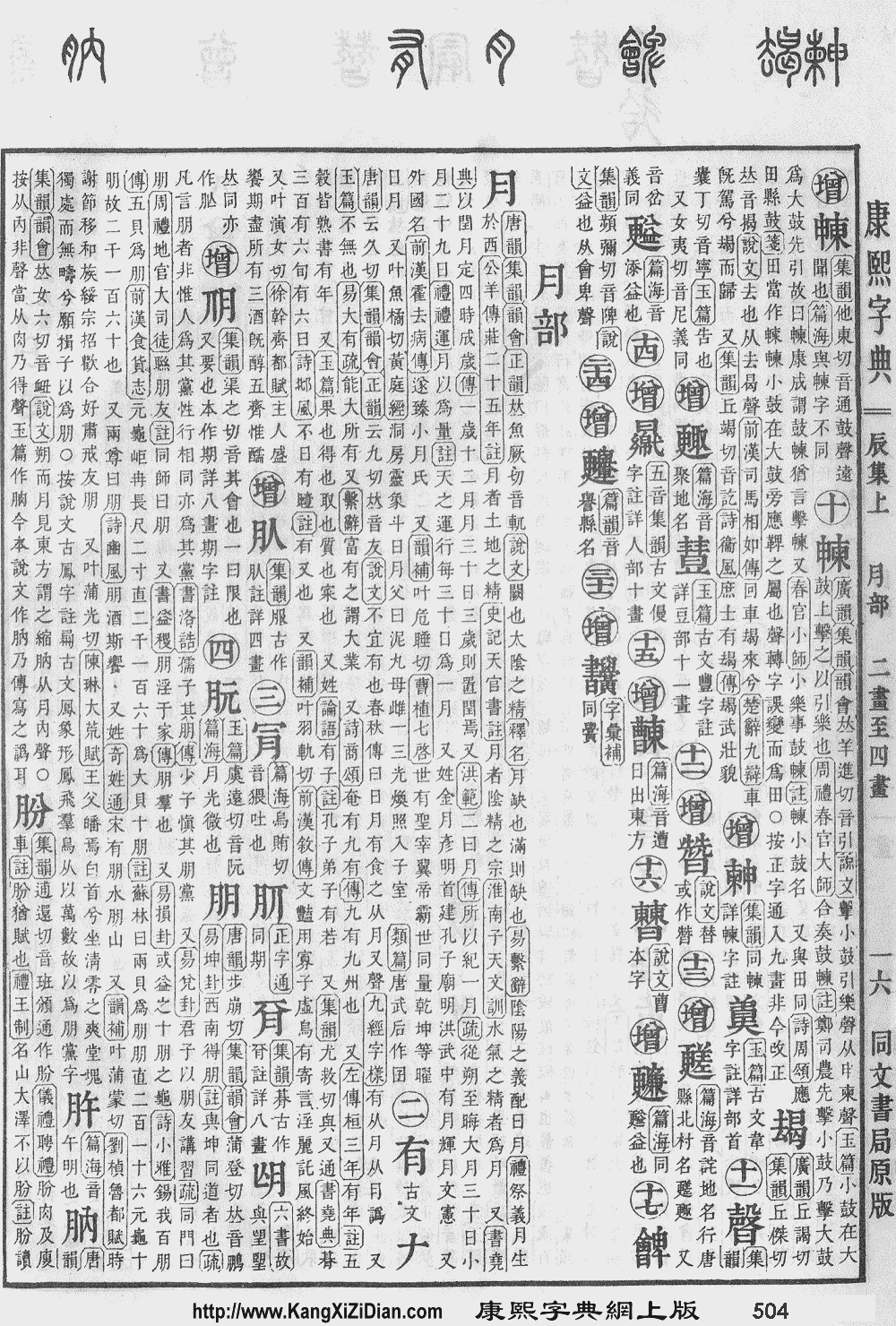
- Kangxi Dictionary: page 504, character 3
- Dai Kanwa Jiten: character 14311
- Dae Jaweon: page 879, character 4
- Hanyu Da Zidian (first edition): volume 2, page 1528, character 5
- Unihan data for U+6705
Chinese
| trad. | 朅 | |
|---|---|---|
| simp. # | 朅 | |
Glyph origin
| Historical forms of the character 朅 | |
|---|---|
| Shuowen Jiezi (compiled in Han) | Liushutong (compiled in Ming) |
| Small seal script | Transcribed ancient scripts |
 |
 |
Characters in the same phonetic series (曷) (Zhengzhang, 2003)
| Old Chinese | |
|---|---|
| 愒 | *kʰaːds, *kʰrads, *kʰrad |
| 馤 | *qaːds |
| 靄 | *qaːds, *qaːd |
| 餲 | *qraːds, *qrads, *ɡaːd, *qaːd |
| 喝 | *qraːds, *qʰoːb, *qʰaːd |
| 揭 | *kʰrads, *ked, *kʰrad, *ɡrad, *kad, *ɡad |
| 偈 | *ɡrads, *ɡrad |
| 猲 | *kʰob, *qʰaːd, *qʰad |
| 葛 | *kaːd |
| 輵 | *kaːd |
| 獦 | *klaːd, *rab |
| 渴 | *kʰaːd, *ɡrad |
| 嵑 | *kʰaːd |
| 暍 | *qʰaːd, *qad |
| 曷 | *ɡaːd |
| 褐 | *ɡaːd |
| 鶡 | *ɡaːd |
| 毼 | *ɡaːd |
| 蝎 | *ɡaːd |
| 鞨 | *ɡaːd, *ɢljad |
| 遏 | *qaːd |
| 齃 | *qaːd |
| 堨 | *qaːd |
| 擖 | *kʰreːd, *kraːd, *r'aːb |
| 楬 | *kʰraːd, *ɡrad, *ɡad |
| 朅 | *kʰrad |
| 藒 | *kʰrad |
| 竭 | *ɡrad, *ɡad |
| 碣 | *ɡrad, *ɡad |
| 羯 | *kad |
| 鍻 | *kad |
| 歇 | *qʰad |
| 蠍 | *qʰad |
| 謁 | *qad |
Etymology
- martial
- Cognate to 桀 (OC *ɡrad, “outstanding > hero”) (Schuessler, 2007). See there for etymology.
Pronunciation
Definitions
朅
- to leave, to abandon
- (obsolete) martial
- 伯兮朅兮、邦之桀兮。 [Pre-Classical Chinese, trad. and simp.]
- From: The Classic of Poetry, c. 11th – 7th centuries BCE, translated based on James Legge's version
- Bó xī qiè xī, bāng zhī jié xī. [Pinyin]
- My noble husband is how martial-like! The hero of the country!
Japanese
Kanji
朅
- This term needs a translation to English. Please help out and add a translation, then remove the text
{{rfdef}}.
Korean
Hanja
朅 • (geol) (hangeul 걸, revised geol, McCune–Reischauer kŏl, Yale kel)
- This term needs a translation to English. Please help out and add a translation, then remove the text
{{rfdef}}.
This article is issued from Wiktionary. The text is licensed under Creative Commons - Attribution - Sharealike. Additional terms may apply for the media files.