槌
| ||||||||
Translingual
Han character
槌 (Kangxi radical 75, 木+10, 14 strokes, cangjie input 木卜竹口 (DYHR), four-corner 47937, composition ⿰木追)
References
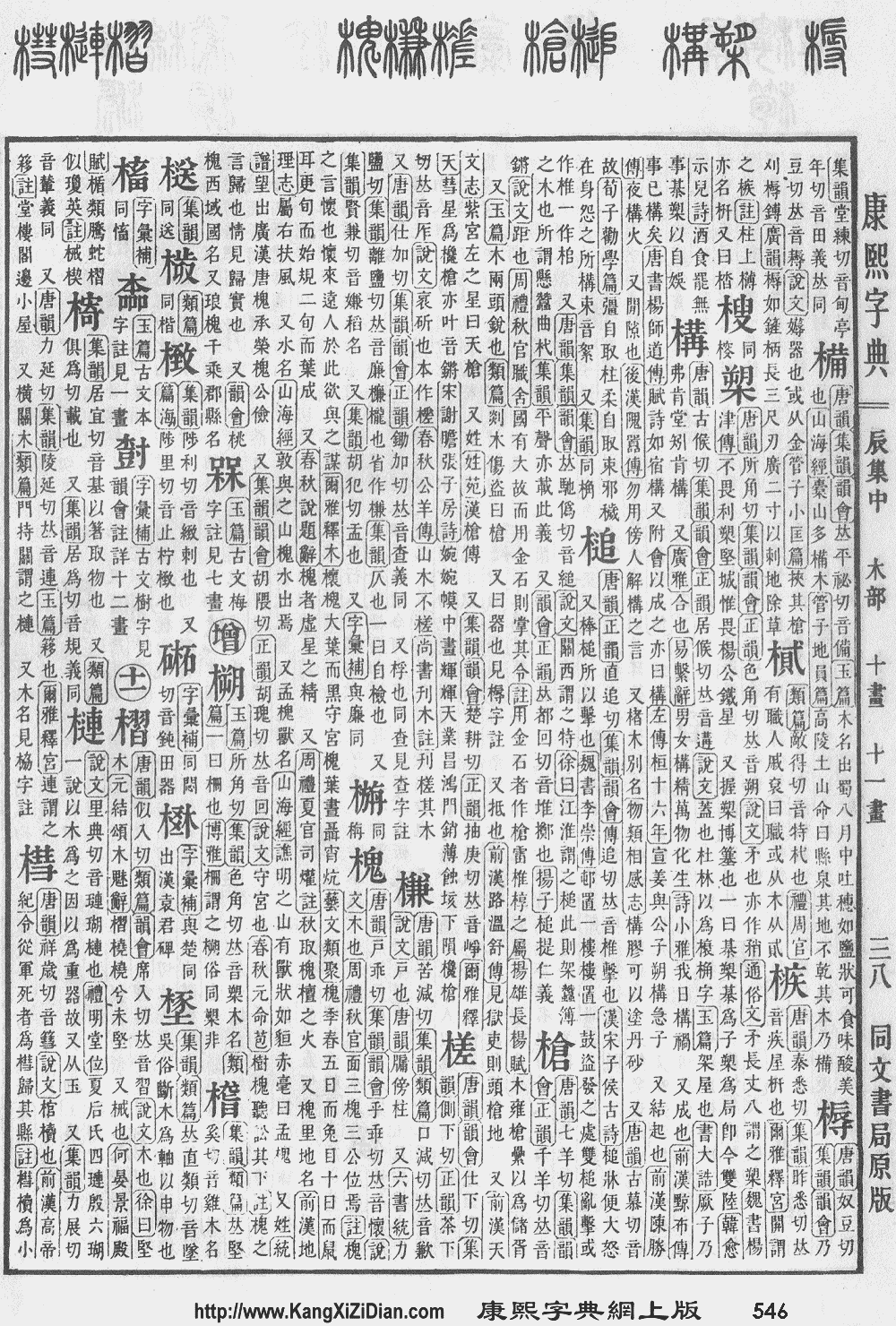
- Kangxi Dictionary: page 546, character 8
- Dai Kanwa Jiten: character 15318
- Dae Jaweon: page 933, character 22
- Hanyu Da Zidian (first edition): volume 2, page 1252, character 3
- Unihan data for U+69CC
Chinese
| trad. | 槌 | |
|---|---|---|
| simp. # | 槌 | |
Glyph origin
Characters in the same phonetic series (追) (Zhengzhang, 2003)
Phono-semantic compound (形聲/形声, OC *dols, *dul) : semantic 木 + phonetic 追 (OC *tul).
Etymology
(This etymology is missing or incomplete. Please add to it, or discuss it at the Etymology scriptorium. Particularly: “What relation is there between 錘, 槌, 鎚, and 椎?”)
Pronunciation
Synonyms
Dialectal synonyms of 拳頭 (“fist”) [map]
Japanese
| Shinjitai (extended) |
Shinjitai (extended) |
槌󠄀 槌+ 󠄀?(Adobe-Japan1) |
 |
|
| 槌󠄂 槌+ 󠄂?(Hanyo-Denshi) (Moji_Joho) | ||||
| Kyūjitai | 槌 |  | ||
| The displayed kanji may be different from the image due to your environment. See here for details. | ||||
Readings
Etymology
| Kanji in this term |
|---|
| 槌 |
| つち Jinmeiyō |
| kun’yomi |
| Alternative spellings |
|---|
| 鎚 椎 |
From Old Japanese. Appears in the Nihon Shoki of 720 CE.[1]
Noun
槌 • (tsuchi)
Derived terms
- 槌音 (tsuchioto, “the sound of hammering”)
- 槌鯨 (tsuchikujira, “four-toothed whale”)
- 金槌 (kanazuchi)
See also
- ハンマー (hanmā)
References
- Shōgaku Tosho (1988) 国語大辞典(新装版) [Unabridged Dictionary of Japanese (Revised Edition)] (in Japanese), Tōkyō: Shogakukan, →ISBN
- Matsumura, Akira, editor (2006), 大辞林 [Daijirin] (in Japanese), Third edition, Tōkyō: Sanseidō, →ISBN
Korean
Hanja
槌 • (toe, chu) (hangeul 퇴, 추, revised toe, chu, McCune–Reischauer t'oe, ch'u, Yale thoy, chwu)
- This term needs a translation to English. Please help out and add a translation, then remove the text
{{rfdef}}.
Vietnamese
This article is issued from Wiktionary. The text is licensed under Creative Commons - Attribution - Sharealike. Additional terms may apply for the media files.