說
| ||||||||
| ||||||||
| ||||||||
Translingual
| Stroke order | |||
|---|---|---|---|
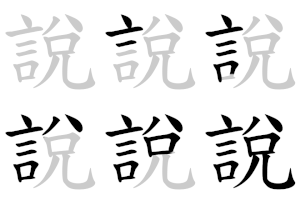 | |||
| Traditional | 說 |
|---|---|
| Shinjitai | 説 |
| Simplified | 说 |
Han character
說 (Kangxi radical 149, 言+7, 14 strokes, cangjie input 卜口金口山 (YRCRU), four-corner 08616, composition ⿰訁兌)
Derived characters
- 𡁾
Related characters
- 説 (Traditional form used in Hong Kong, mainland China and Japan)
- 说 (Simplified Chinese)
References
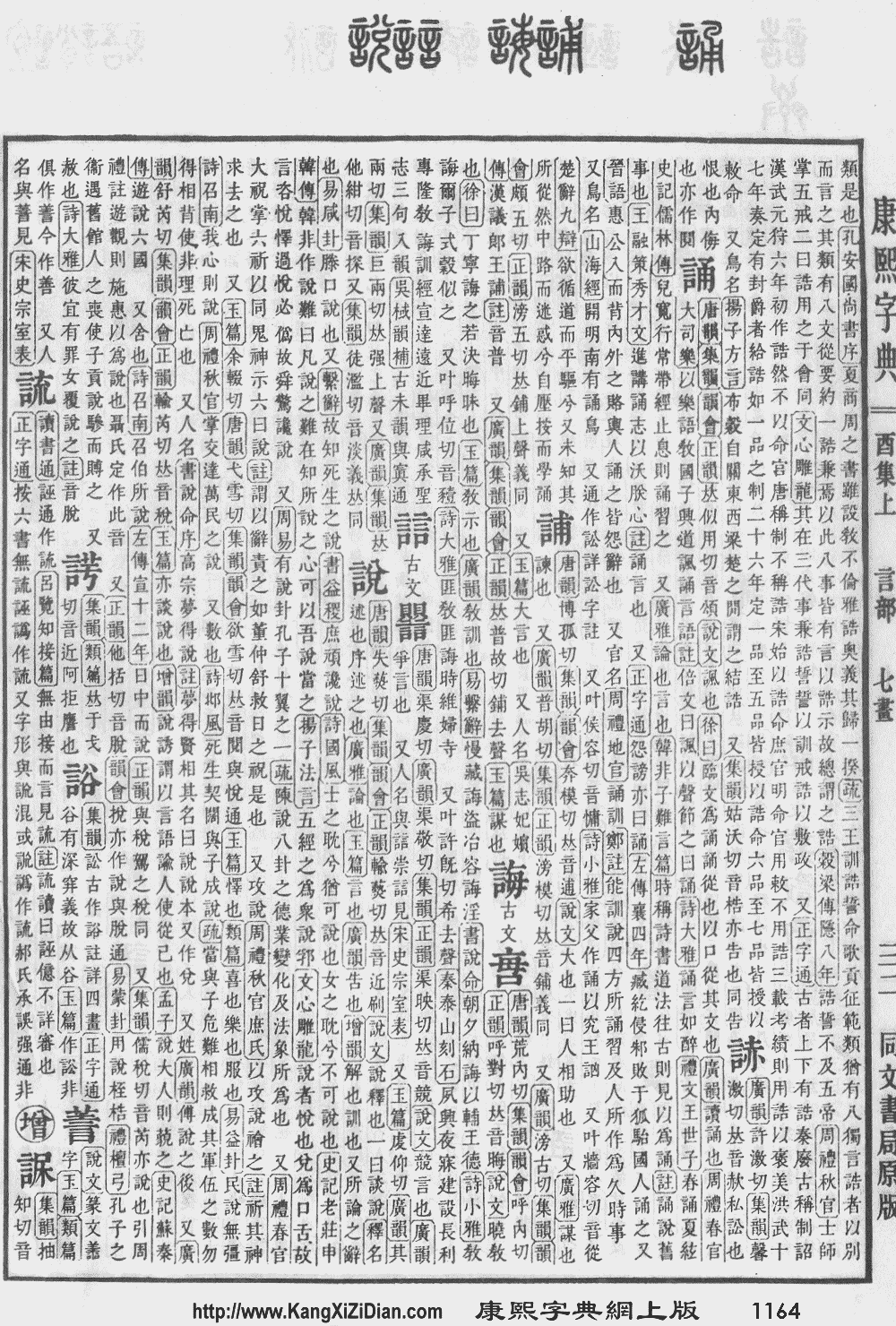
- Kangxi Dictionary: page 1164, character 8
- Dai Kanwa Jiten: character 35556
- Dae Jaweon: page 1629, character 14
- Hanyu Da Zidian (first edition): not present, would follow volume 6, page 3979, character 3
- Unihan data for U+8AAA
- Unihan data for U+F96F
- Unihan data for U+F9A1
Chinese
| trad. | 說/説 | |
|---|---|---|
| simp. | 说 | |
Glyph origin
| Historical forms of the character 說 | |
|---|---|
| Warring States | Shuowen Jiezi (compiled in Han) |
| Chu slip and silk script | Small seal script |
 |
 |
| Old Chinese | |
|---|---|
| 毤 | *l̥ʰoːds |
| 蛻 | *l'oːds, *l̥ʰoːds, *hljods, *lod, *lod |
| 娧 | *l̥ʰoːds, *lod |
| 駾 | *l̥ʰoːds |
| 裞 | *l̥ʰoːds, *hljods |
| 兌 | *l'oːds |
| 綐 | *l'oːds |
| 銳 | *l'oːds, *lods |
| 帨 | *stʰods, *hljods |
| 稅 | *hljods |
| 說 | *hljods, *hljod, *lod |
| 涚 | *hljods |
| 䫄 | *rtʰoːd |
| 脫 | *l̥ʰoːd, *l'oːd |
| 侻 | *l̥ʰoːd |
| 挩 | *l̥ʰoːd, *l'oːd |
| 莌 | *l̥ʰoːd, *l'oːd |
| 梲 | *l̥ʰoːd, *ʔljod, *l̥ʰuːd |
| 鮵 | *l'oːd |
| 敓 | *l'oːd |
| 痥 | *l'oːd |
| 悅 | *lod, *lod |
| 閱 | *lod |
Phono-semantic compound (形聲/形声, OC *hljods, *hljod, *lod) : semantic 言 + phonetic 兌 (OC *l'oːds).
Etymology
All of the pronunciations of this character are in the same word family derived from a root *lo meaning “to loosen; to relax” (Schuessler, 2007). STEDT compares it to Proto-Sino-Tibetan *g/s-lwat (“free; release; slip; dislocate”).
Pronunciation 1 is derived by causative devoicing of 悅 (OC *lod, “to relax; to be delighted”) (pronunciation 3).
Pronunciation 2 is probably the exoactive of pronunciation 1.
Pronunciation 1
Definitions
說
Synonyms
- (to say):
- (to explain):
- 交代 (jiāodài)
- 介紹/介绍 (jièshào) (a situation)
- 分解 (fēnjiě)
- 拆白 (Xiamen Hokkien, Zhangzhou Hokkien, Taiwanese Hokkien)
- 拆破 (Zhangzhou Hokkien, Taiwanese Hokkien)
- 解說/解说 (jiěshuō)
- 解釋/解释 (jiěshì)
- 訓/训 (xùn) (literary, or in compounds, meanings of words)
- 說明/说明 (shuōmíng)
- 說解/说解 (shuōjiě) (literary)
- 講明/讲明 (jiǎngmíng)
- 講解/讲解 (jiǎngjiě)
- 開釋/开释 (kāishì) (literary)
- 闡明/阐明 (chǎnmíng)
- 闡發/阐发 (chǎnfā)
- 闡說/阐说 (chǎnshuō)
- 闡論/阐论 (chǎnlùn) (literary)
- 闡釋/阐释 (chǎnshì)
- 陳/陈 (chén) (literary, or in compounds)
- (to refer):
- (to discuss):
- 交涉 (jiāoshè)
- 傾/倾 (king1) (Cantonese, informal)
- 協商/协商 (xiéshāng)
- 協議/协议 (xiéyì)
- 口語/口语 (kǒuyǔ) (archaic)
- 商榷 (shāngquè) (chiefly in an academic context)
- 商討/商讨 (shāngtǎo)
- 商談/商谈 (shāngtán)
- 商議/商议 (shāngyì)
- 商量 (shāngliang)
- 接接 (Hokkien)
- 接洽 (jiēqià) (formal)
- 會談/会谈 (huìtán)
- 槌摃鐵/槌𫼱铁 (Hokkien)
- 比接 (Xiamen Hokkien, Zhangzhou Hokkien)
- 洽商 (qiàshāng)
- 洽談/洽谈 (qiàtán)
- 申論/申论 (shēnlùn)
- 研究 (yánjiū)
- 磋商 (cuōshāng) (formal)
- 磋議/磋议 (cuōyì)
- 磨合 (móhé) (figurative)
- 觸牙/触牙 (Hokkien)
- 言說/言说 (yánshuō) (formal)
- 言論/言论 (yánlùn)
- 言辭/言辞 (yáncí) (literary)
- 計謀/计谋 (jìmóu) (literary)
- 計議/计议 (jìyì) (literary)
- 計較/计较
- 討論/讨论 (tǎolùn)
- 評/评 (píng) (literary, or in compounds)
- 評論/评论 (pínglùn)
- 說合/说合 (shuōhé)
- 談判/谈判 (tánpàn)
- 談論/谈论 (tánlùn)
- 謀慮/谋虑 (móulǜ) (literary)
- 議/议 (yì)
- 議論/议论 (yìlùn)
- 錦議/锦议 (Hokkien)
- 闡論/阐论 (chǎnlùn) (literary)
- (to criticize):
- 僝僽 (chánzhòu) (literary)
- 叱罵/叱骂 (chìmà)
- 叱責/叱责 (chìzé)
- 吆喝 (colloquial)
- 呲 (cī)
- 呲兒/呲儿 (cīr)
- 呵叱 (hēchì)
- 呲打 (cīda) (Northeastern Mandarin)
- 呵斥 (hēchì)
- 呵責/呵责 (hēzé) (literary)
- 喝叱
- 嗔怪 (chēnguài) (literary)
- 嗔著/嗔着 (chēnzhe) (colloquial)
- 怒 (nù) (Classical Chinese)
- 怪 (guài)
- 怨怪 (Xiamen Hokkien, Taiwanese Hokkien)
- 怪罪 (guàizuì)
- 批評/批评 (pīpíng)
- 指摘 (zhǐzhāi)
- 指斥 (zhǐchì)
- 指責/指责 (zhǐzé)
- 指點/指点 (zhǐdiǎn)
- 捋 (Quanzhou Hokkien)
- 摘 (literary, or in compounds)
- 撻伐/挞伐 (tàfá) (literary, figurative)
- 數落/数落 (shǔluo) (informal)
- 數說/数说 (shǔshuō)
- 斥斥 (Xiamen Hokkien)
- 斥罵/斥骂 (chìmà)
- 斥責/斥责 (chìzé)
- 歸咎/归咎 (guījiù)
- 歸罪/归罪 (guīzuì)
- 派
- 激勵/激励 (jīlì) (literary)
- 熊 (xióng) (colloquial)
- 申斥 (shēnchì)
- 痛罵/痛骂 (tòngmà)
- 聲討/声讨 (shēngtǎo)
- 訓/训 (xùn) (literary, or in compounds)
- 訓斥/训斥 (xùnchì)
- 詬病/诟病 (gòubìng) (literary)
- 說話/说话 (shuōhuà)
- 謗議/谤议 (bàngyì) (literary)
- 譴責/谴责 (qiǎnzé)
- 責備/责备 (zébèi)
- 責怪/责怪 (zéguài)
- 責罵/责骂 (zémà)
- 責難/责难 (zénàn)
- 貶斥/贬斥 (biǎnchì) (literary)
- 貶責/贬责 (biǎnzé)
- 賴/赖 (lài)
- 非議/非议 (fēiyì)
- 非難/非难 (fēinàn)
- 體斥/体斥 (Xiamen Hokkien, Zhangzhou Hokkien)
- (theory):
Compounds
- 一家之說/一家之说
- 一說/一说
- 不好說話/不好说话
- 不容分說/不容分说 (bùróngfēnshuō)
- 不會說話/不会说话
- 不消說/不消说 (bùxiāoshuō)
- 不用說/不用说 (bùyòngshuō)
- 不由分說/不由分说 (bùyóufēnshuō)
- 不瞞你說/不瞒你说
- 不說價/不说价
- 不說虛頭/不说虚头
- 且說/且说 (qiěshuō)
- 世說新語/世说新语 (Shìshuōxīnyǔ)
- 中篇小說/中篇小说 (zhōngpiān xiǎoshuō)
- 主知說/主知说
- 亂說/乱说 (luànshuō)
- 二話不說/二话不说
- 今世說/今世说
- 他方說/他方说
- 代為說項/代为说项
- 他說/他说
- 何消說/何消说
- 信口胡說/信口胡说
- 信嘴胡說/信嘴胡说
- 偵探小說/侦探小说
- 傳說/传说 (chuánshuō)
- 先天說/先天说
- 光說不做/光说不做 (guāngshuōbùzuò)
- 光說不練/光说不练
- 六說白道/六说白道
- 再說/再说 (zàishuō)
- 分說/分说 (fēnshuō)
- 別說/别说 (biéshuō)
- 勦說/剿说
- 勸說/劝说 (quànshuō)
- 卻說/却说 (quèshuō)
- 原說/原说
- 又說又笑/又说又笑
- 口說無憑/口说无凭 (kǒushuōwúpíng)
- 古今小說/古今小说
- 古典小說/古典小说
- 各說各話/各说各话 (gèshuōgèhuà)
- 呦嚄說/呦嚄说
- 單弦說唱/单弦说唱
- 單說/单说
- 嚼說/嚼说
- 圖說/图说 (túshuō)
- 報告小說/报告小说
- 塗說/涂说
- 多道散說/多道散说
- 大河小說/大河小说
- 大致說來/大致说来
- 天動說/天动说
- 太極圖說/太极图说
- 奇說/奇说
- 契約說/契约说
- 好說/好说 (hǎoshuō)
- 妄說/妄说
- 好說歹說/好说歹说
- 好說話/好说话 (hǎoshuōhuà)
- 字說/字说
- 孫文學說/孙文学说
- 定說/定说
- 宣說/宣说
- 家至人說/家至人说
- 實話實說/实话实说 (shíhuàshíshuō)
- 實說/实说
- 寬皮說話/宽皮说话
- 小小說/小小说
- 小說/小说
- 小說家/小说家 (xiǎoshuōjiā)
- 嵬說/嵬说
- 巧說/巧说
- 師說/师说 (shīshuō)
- 彈空說嘴/弹空说嘴
- 從何說起/从何说起
- 志怪小說/志怪小说
- 性善說/性善说 (xìngshànshuō)
- 性惡說/性恶说
- 恐怖小說/恐怖小说
- 慢說/慢说
- 憑媒說合/凭媒说合
- 憑良心說/凭良心说
- 成事不說/成事不说
- 成說/成说
- 戶說/户说
- 打諢說笑/打诨说笑
- 打鼓說書/打鼓说书
- 招說/招说
- 指一說十/指一说十
- 指天說地/指天说地
- 指山說磨/指山说磨
- 指東說西/指东说西
- 指桑說槐/指桑说槐
- 按說/按说 (ànshuō)
- 推理小說/推理小说
- 捷說/捷说
- 推說/推说
- 換句話說/换句话说 (huànjùhuàshuō)
- 摽說/摽说
- 據說/据说 (jùshuō)
- 攝影小說/摄影小说
- 教育小說/教育小说
- 敘說/叙说 (xùshuō)
- 數說/数说 (shǔshuō)
- 斷臂說書/断臂说书
- 明說/明说 (míngshuō)
- 曲說/曲说 (qūshuō)
- 更不消說/更不消说
- 會道能說/会道能说
- 有個說兒/有个说儿
- 有話好說/有话好说 (yǒuhuàhǎoshuō)
- 有說有笑/有说有笑 (yǒushuōyǒuxiào)
- 概說/概说 (gàishuō)
- 橫說豎說/横说竖说
- 欲說還休/欲说还休
- 武俠小說/武侠小说
- 歷史小說/历史小说 (lìshǐ xiǎoshuō)
- 死說活說/死说活说
- 比方說/比方说
- 沒得說的/没得说的
- 沒有說的/没有说的
- 沒話說/没话说
- 浮詞曲說/浮词曲说
- 浮說/浮说
- 海說神聊/海说神聊
- 混說/混说
- 淺說/浅说
- 游辭浮說/游辞浮说
- 滿口胡說/满口胡说
- 演說/演说 (yǎnshuō)
- 漫說/漫说
- 演說家/演说家 (yǎnshuōjiā)
- 演說詞/演说词 (yǎnshuōcí)
- 潑說/泼说
- 無話可說/无话可说 (wúhuàkěshuō)
- 照說/照说 (zhàoshuō)
- 燕說/燕说
- 現身說法/现身说法
- 申說/申说 (shēnshuō)
- 界說/界说 (jièshuō)
- 異端邪說/异端邪说
- 異聞傳說/异闻传说
- 異說/异说 (yìshuō)
- 痴人說夢/痴人说梦 (chīrénshuōmèng)
- 白話小說/白话小说
- 白說/白说 (báishuō)
- 白說六道/白说六道
- 白說綠道/白说绿道
- 百般解說/百般解说
- 盲人說象/盲人说象
- 直話直說/直话直说
- 看圖說話/看图说话
- 眾說/众说 (zhòngshuō)
- 眾說紛紜/众说纷纭 (zhòngshuō-fēnyún)
- 瞎說/瞎说 (xiāshuō)
- 瞎說八道/瞎说八道
- 瞽說/瞽说
- 短篇小說/短篇小说 (duǎnpiān xiǎoshuō)
- 短長之說/短长之说
- 矰繳之說/矰缴之说
- 破說/破说
- 科幻小說/科幻小说
- 稗官小說/稗官小说 (bàiguānxiǎoshuō)
- 稱說/称说 (chēngshuō)
- 空口說/空口说
- 空說/空说
- 筆記小說/笔记小说
- 細說/细说 (xìshuō)
- 翻譯小說/翻译小说
- 聲說聲聽/声说声听
- 聽說/听说 (tīngshuō)
- 聽說聽道/听说听道
- 胡說/胡说 (húshuō)
- 胡說亂語/胡说乱语
- 胡說亂道/胡说乱道
- 胡說八道/胡说八道 (húshuōbādào)
- 胡說散道/胡说散道
- 胡說白道/胡说白道
- 脂粉小說/脂粉小说
- 能說善道/能说善道
- 能說慣道/能说惯道
- 能說會道/能说会道 (néngshuōhuìdào)
- 臆說/臆说
- 自圓其說/自圆其说 (zìyuánqíshuō)
- 自立一說/自立一说
- 自說自話/自说自话
- 色情小說/色情小说
- 花說柳說/花说柳说
- 荒謬小說/荒谬小说
- 莫說/莫说
- 著書立說/著书立说
- 蔓說/蔓说
- 衍說/衍说
- 街談巷說/街谈巷说 (jiētánxiàngshuō)
- 觀眉說眼/观眉说眼
- 解說/解说 (jiěshuō)
- 言情小說/言情小说 (yánqíng xiǎoshuō)
- 言說/言说 (yánshuō)
- 訴說/诉说 (sùshuō)
- 評說/评说 (píngshuō)
- 誇強說會/夸强说会
- 詮說/诠说
- 話說/话说 (huàshuō)
- 誇說/夸说
- 說一不二/说一不二 (shuyībù'èr)
- 說一是一/说一是一
- 說三分/说三分
- 說三說四/说三说四
- 說三道四/说三道四 (shuōsāndàosì)
- 說不上/说不上 (shuōbushàng)
- 說不上來/说不上来
- 說不下去/说不下去
- 說不來/说不来
- 說不出/说不出 (shuōbùchū)
- 說不定/说不定 (shuōbùdìng)
- 說不得/说不得
- 說不是/说不是
- 說不清/说不清 (shuōbùqīng)
- 說不盡/说不尽
- 說不過/说不过
- 說不過去/说不过去 (shuōbuguòqù)
- 說也奇怪/说也奇怪
- 說事/说事
- 說事過錢/说事过钱
- 說人情/说人情
- 說今道古/说今道古
- 說來/说来 (shuōlái)
- 說來話長/说来话长 (shuōláihuàcháng)
- 說來說去/说来说去
- 說做就做/说做就做
- 說公案/说公案
- 說兵機/说兵机
- 說分上/说分上
- 說到做到/说到做到 (shuōdàozuòdào)
- 說動/说动 (shuōdòng)
- 說化/说化
- 說千說萬/说千说万
- 說參請/说参请
- 說口/说口
- 說古/说古
- 說古談今/说古谈今
- 說合/说合 (shuōhé)
- 說和/说和 (shuōhé)
- 說唱/说唱 (shuōchàng)
- 說唱文學/说唱文学
- 說嘴/说嘴 (shuōzuǐ)
- 說嘴打嘴/说嘴打嘴
- 說地談天/说地谈天
- 說夢/说梦
- 說夢話/说梦话 (shuō mènghuà)
- 說大話/说大话 (shuō dàhuà)
- 說天說地/说天说地
- 說好/说好 (shuōhǎo)
- 說好說歹/说好说歹
- 說媒/说媒 (shuōméi)
- 說學逗唱/说学逗唱 (shuōxuédòuchàng)
- 說定/说定 (shuōdìng)
- 說家克計/说家克计
- 說寡嘴/说寡嘴
- 說岔/说岔
- 說帖/说帖
- 說得來/说得来 (shuōdelái)
- 說得著/说得著
- 說得過去/说得过去 (shuōdeguòqù)
- 說得響/说得响
- 說徹/说彻
- 說念/说念
- 說情/说情 (shuōqíng)
- 說戒/说戒
- 說教/说教 (shuōjiào)
- 說文/说文 (Shuōwén)
- 說文解字/说文解字 (Shuōwén Jiězì)
- 說方便/说方便
- 說明/说明 (shuōmíng)
- 說明文/说明文 (shuōmíngwén)
- 說明書/说明书 (shuōmíngshū)
- 說是談非/说是谈非
- 說書/说书 (shuōshū)
- 說書人/说书人 (shuōshūrén)
- 說曹操,曹操到/说曹操,曹操到 (shuō Cáo Cāo, Cáo Cāo dào)
- 說東談西/说东谈西
- 說東道西/说东道西
- 說梅止渴/说梅止渴
- 說法/说法 (shuōfǎ)
- 說泛/说泛
- 說海口/说海口
- 說淡話/说淡话
- 說清話/说清话
- 說清道白/说清道白
- 說溜了嘴/说溜了嘴
- 說滿話/说满话
- 說理/说理 (shuōlǐ)
- 說白/说白 (shuōbái)
- 說白了/说白了 (shuōbáile)
- 說白道綠/说白道绿
- 說白道黑/说白道黑
- 說相聲/说相声
- 說真格的/说真格的
- 說瞎話/说瞎话
- 說短論長/说短论长
- 說短道長/说短道长
- 說短長/说短长
- 說矮話/说矮话
- 說破/说破 (shuōpò)
- 說破嘴/说破嘴
- 說穿/说穿 (shuōchuān)
- 說笑/说笑 (shuōxiào)
- 說笑話/说笑话
- 說經/说经
- 說耍/说耍
- 說舌/说舌
- 說苑/说苑 (Shuōyuàn)
- 說著玩兒/说著玩儿
- 說落/说落
- 說處/说处
- 說親/说亲 (shuōqīn)
- 說親道熱/说亲道热
- 說詞/说词 (shuōcí)
- 說話/说话 (shuōhuà)
- 說話人/说话人
- 說話兒/说话儿
- 說詩啐話/说诗啐话
- 說話的/说话的
- 說話算話/说话算话
- 誦說/诵说
- 說說笑笑/说说笑笑 (shuōshuōxiàoxiào)
- 說說道道/说说道道
- 說調/说调
- 說諢話/说诨话
- 說謊/说谎 (shuōhuǎng)
- 說起/说起 (shuōqǐ)
- 說起來/说起来
- 說辭/说辞 (shuōcí)
- 說道/说道 (shuōdào)
- 說郛/说郛 (shuōfú)
- 說部/说部
- 說鈴/说铃
- 說鐵騎兒/说铁骑儿
- 說長短/说长短
- 說長說短/说长说短
- 說長論短/说长论短
- 說長道短/说长道短 (shuōchángdàoduǎn)
- 說開/说开
- 說閒話/说闲话
- 說閒話兒/说闲话儿
- 說雨談雲/说雨谈云
- 說章兒/说章儿
- 說響話/说响话
- 說項/说项 (shuōxiàng)
- 說頭兒/说头儿
- 說風涼話/说风凉话
- 說風話/说风话
- 說風說水/说风说水
- 說鬼話/说鬼话
- 說黃道黑/说黄道黑
- 說黑道白/说黑道白
- 說鼓書/说鼓书
- 論今說古/论今说古
- 談古說今/谈古说今
- 談天說地/谈天说地 (tántiānshuōdì)
- 談情說愛/谈情说爱 (tánqíngshuō'ài)
- 談空說有/谈空说有
- 談經說法/谈经说法
- 論說/论说 (lùnshuō)
- 論說文/论说文 (lùnshuōwén)
- 諢詞小說/诨词小说
- 講經說法/讲经说法
- 謏聞淺說/𫍲闻浅说
- 謬悠之說/谬悠之说
- 譚天說地/谭天说地
- 譴責小說/谴责小说
- 辯說/辩说
- 述說/述说 (shùshuō)
- 逢人說項/逢人说项
- 這般說來/这般说来
- 連說帶唱/连说带唱
- 連說帶罵/连说带骂
- 遊戲說/游戏说
- 道東說西/道东说西
- 道聽塗說/道听涂说 (dàotīngtúshuō)
- 道西說東/道西说东
- 還有一說/还有一说
- 邪說/邪说 (xiéshuō)
- 邪說異端/邪说异端
- 郢書燕說/郢书燕说
- 郭璞之說/郭璞之说
- 長篇小說/长篇小说 (chángpiān xiǎoshuō)
- 長話短說/长话短说 (chánghuàduǎnshuō)
- 門到戶說/门到户说
- 關說/关说 (guānshuō)
- 陳說/陈说 (chénshuō)
- 雖說/虽说 (suīshuō)
- 雜說/杂说
- 難說/难说 (nánshuō)
- 難說話/难说话
- 難說難言/难说难言
- 電影小說/电影小说
- 霹靂說/霹雳说
- 靜態說/静态说
- 章回小說/章回小说 (zhānghuí xiǎoshuō)
- 駕說/驾说
Pronunciation 2
Definitions
說
Descendants
Pronunciation 3
Compounds
- 傅說版築/傅说版筑
Pronunciation 4
Definitions
說
- † Alternative form of 脫/脱 (“to free; to relieve”)
- 此宜無罪,女反收之;彼宜有罪,女覆說之。 [Pre-Classical Chinese, trad.]
- From: The Classic of Poetry, c. 11th – 7th centuries BCE, translated based on James Legge's version
- Cǐ yí wú zuì, rǔ fǎn shōu zhī; bǐ yí yǒu zuì, rǔ fù tuō zhī. [Pinyin]
- Here is one who ought to be held guiltless,
But you snare him [in the net of crime].
There is one who ought to be held guilty,
But you let him escape [from it].
此宜无罪,女反收之;彼宜有罪,女覆说之。 [Pre-Classical Chinese, simp.]
Compounds
- 說咷/说咷
References
- “說”, in 漢語多功能字庫 (Multi-function Chinese Character Database), 香港中文大學 (the Chinese University of Hong Kong), 2014–
Japanese
| 説 | |
| 說 |
Readings
Usage notes
This character lacks essential JIS support and is not used in Japanese. The character 説 (U+8AAC) is used instead.
Korean
Etymology 1
From Middle Chinese 說 (MC sywet).
| Historical Readings | ||
|---|---|---|
| Dongguk Jeongun Reading | ||
| Dongguk Jeongun, 1448 | ᄉᆑᇙ〮 (Yale: syyélq) | |
| Middle Korean | ||
| Text | Eumhun | |
| Gloss (hun) | Reading | |
| Hunmong Jahoe, 1527 | 니ᄅᆞᆯ (Yale: nilol) | 셜 (Yale: syel) |
Pronunciation
- (SK Standard/Seoul) IPA(key): [sʰʌ̹ɭ]
- Phonetic hangul: [설]
Compounds
Etymology 2
From Middle Chinese 說 (MC sywejH).
| Historical Readings | ||
|---|---|---|
| Dongguk Jeongun Reading | ||
| Dongguk Jeongun, 1448 | ᄉᆒᆼ〮 (Yale: syyéy) | |
| Middle Korean | ||
| Text | Eumhun | |
| Gloss (hun) | Reading | |
| Sinjeung Yuhap, 1576 | 달앨 (Yale: talGayl) | 셰 (Yale: syey) |
Pronunciation
- (SK Standard/Seoul) IPA(key): [sʰe̞(ː)]
- Phonetic hangul: [세(ː)]
- Though still prescribed in Standard Korean, most speakers in both Koreas no longer distinguish vowel length.
Etymology 3
From Middle Chinese 說 (MC ywet).
| Historical Readings | ||
|---|---|---|
| Dongguk Jeongun Reading | ||
| Dongguk Jeongun, 1448 | ᄋᆑᇙ〮 (Yale: yyélq) | |
Pronunciation
- (SK Standard/Seoul) IPA(key): [jʌ̹ɭ]
- Phonetic hangul: [열]
Hanja
References
- Supreme Court of the Republic of Korea (대한민국 대법원, Daehanmin'guk Daebeobwon) (2018). Table of hanja for personal names (인명용 한자표 / 人名用漢字表, Inmyeong-yong hanja-pyo), page 29.