權
| ||||||||
Translingual
| Traditional | 權 |
|---|---|
| Simplified | 权 |
| Japanese | 権 |
| Korean | 權 |
Han character
權 (Kangxi radical 75, 木+18, 22 strokes, cangjie input 木廿口土 (DTRG), four-corner 44914, composition ⿰木雚)
Derived characters
- 𪈻
Descendants
- 権 (In Japanese shinjitai)
- 权 (In simplified Chinese)
References
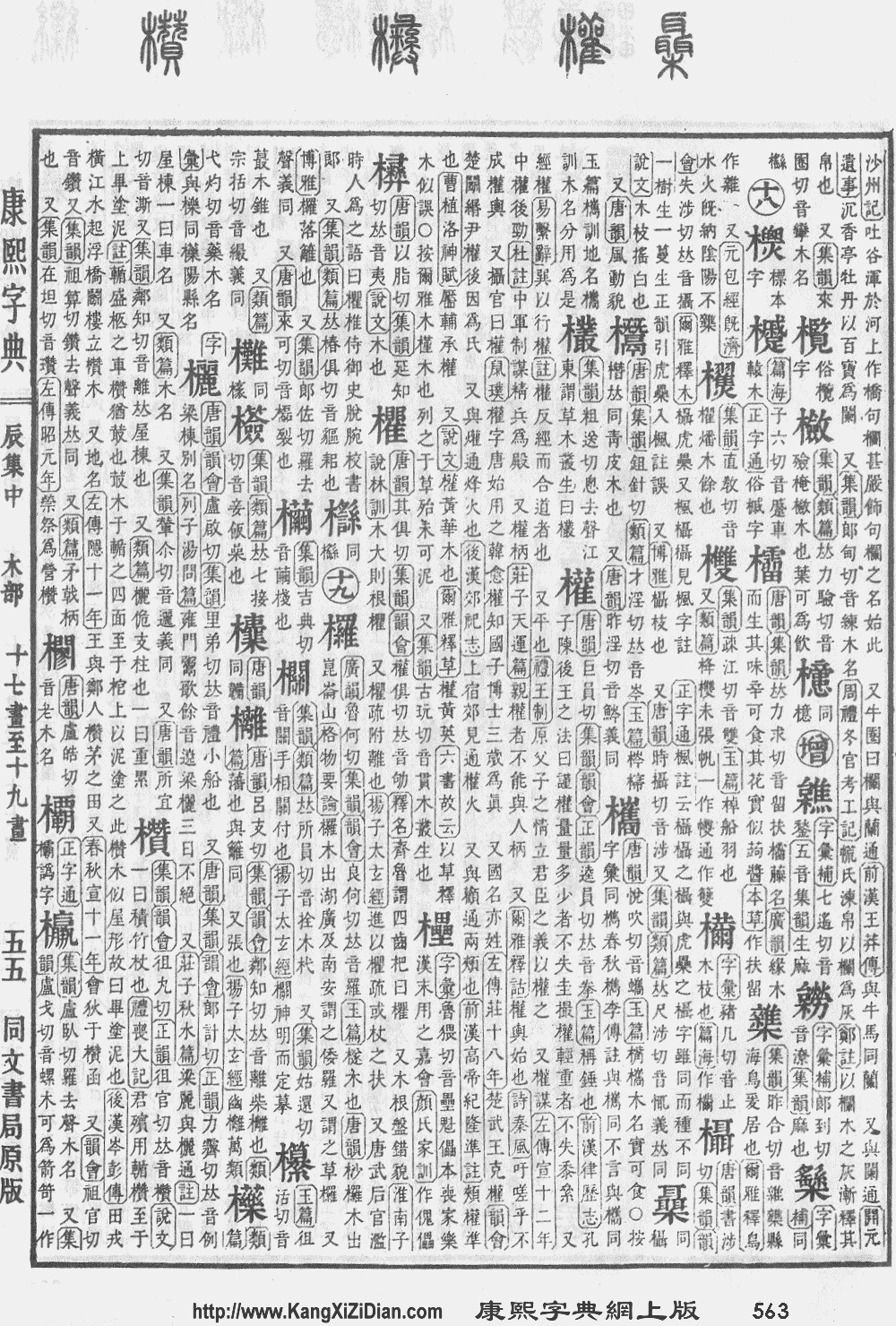
- Kangxi Dictionary: page 563, character 19
- Dai Kanwa Jiten: character 15926
- Dae Jaweon: page 951, character 32
- Hanyu Da Zidian (first edition): volume 2, page 1319, character 6
- Unihan data for U+6B0A
Chinese
| trad. | 權 | |
|---|---|---|
| simp. | 权 | |
| alternative forms | 㩲 権 杈 | |
Glyph origin
| Historical forms of the character 權 | |
|---|---|
| Warring States | Shuowen Jiezi (compiled in Han) |
| Qin slip script | Small seal script |
 |
 |
Characters in the same phonetic series (雚) (Zhengzhang, 2003)
Phono-semantic compound (形聲/形声, OC *ɡron) : semantic 木 (“tree”) + phonetic 雚 (OC *koːns) – a type of tree named 黃華 (Shuowen); phonetically borrowed for "standard weight".
Etymology
From 拳 (OC *ɡron, “fist”) (Schuessler, 2007).
Pronunciation
Definitions
權
- power; authority
- right; entitlement
- † steelyard weight
- † scales
- to weigh; to measure; to judge
- expediency; adaptability
- 男女授受不親,禮也;嫂溺援之以手者,權也。 [Classical Chinese, trad.]
- From: Mencius, c. 4th century BCE
- Nánnǚ shòushòubùqīn, lǐ yě; sǎo nì yuán zhī yǐ shǒu zhě, quán yě. [Pinyin]
- For males and females not to allow their hands to touch in giving and receiving is the general rule; when a sister-in-law is drowning, to rescue her with the hand is a peculiar exigency.
男女授受不亲,礼也;嫂溺援之以手者,权也。 [Classical Chinese, simp.]
- tentatively; for the time being
- (statistics) weight
- a surname
Compounds
- 三權分立/三权分立 (sānquánfēnlì)
- 三權憲法/三权宪法
- 中央集權/中央集权 (zhōngyāng jíquán)
- 主權/主权 (zhǔquán)
- 主權國/主权国 (zhǔquánguó)
- 事權/事权
- 五權分立/五权分立
- 五權憲法/五权宪法
- 人微權輕/人微权轻
- 人格權/人格权 (réngéquán)
- 人權/人权 (rénquán)
- 人權宣言/人权宣言 (Rénquán Xuānyán)
- 人權運動/人权运动
- 代位權/代位权
- 任免權/任免权
- 佃權/佃权
- 使用權/使用权 (shǐyòngquán)
- 侵權行為/侵权行为 (qīnquán xíngwéi)
- 倚勢挾權/倚势挟权
- 偽政權/伪政权 (wěizhèngquán)
- 傀儡政權/傀儡政权 (kuǐlěi zhèngquán)
- 債權/债权 (zhàiquán)
- 債權人/债权人 (zhàiquánrén)
- 債權憑證/债权凭证
- 優先權/优先权 (yōuxiānquán)
- 先議權/先议权
- 免責權/免责权
- 全權/全权 (quánquán)
- 全權代表/全权代表
- 全權公使/全权公使
- 公權/公权 (gōngquán)
- 公權力/公权力
- 公民權/公民权 (gōngmínquán)
- 公訴權/公诉权
- 共益權/共益权
- 兵不厭權/兵不厌权
- 兵權/兵权 (bīngquán)
- 兵馬大權/兵马大权
- 兼權熟計/兼权熟计
- 分權/分权 (fēnquán)
- 刑事主權/刑事主权
- 初夜權/初夜权 (chūyèquán)
- 利權/利权
- 別除權/别除权
- 制憲權/制宪权
- 制海權/制海权
- 制空權/制空权 (zhìkōngquán)
- 創制權/创制权
- 加權指數/加权指数
- 加權計分/加权计分
- 占有權
- 參政權/参政权
- 反經行權/反经行权
- 司法權/司法权 (sīfǎquán)
- 同意權/同意权
- 君權/君权 (jūnquán)
- 君權時代/君权时代
- 君權神授/君权神授
- 否決權/否决权 (fǒujuéquán)
- 喪權/丧权
- 喪權辱國/丧权辱国 (sàngquánrǔguó)
- 四權分立/四权分立
- 國會主權/国会主权
- 國權/国权 (guóquán)
- 國民權/国民权
- 地上權/地上权
- 地方分權/地方分权
- 地權/地权 (dìquán)
- 均權/均权
- 均權制度/均权制度
- 外交特權/外交特权 (wàijiāo tèquán)
- 大權/大权 (dàquán)
- 大權在握/大权在握 (dàquánzàiwò)
- 大權旁落/大权旁落 (dàquánpángluò)
- 大權獨攬/大权独揽 (dàquándúlǎn)
- 天權/天权
- 夫權/夫权 (fūquán)
- 天賦人權/天赋人权
- 失權/失权
- 奪權/夺权 (duóquán)
- 女權/女权 (nǚquán)
- 女權主義/女权主义 (nǚquán zhǔyì)
- 女權運動/女权运动
- 姓名權/姓名权
- 威權/威权 (wēiquán)
- 婦奪夫權/妇夺夫权
- 子母相權/子母相权
- 守經達權/守经达权
- 宗主權/宗主权 (zōngzhǔquán)
- 實權/实权
- 專利權/专利权 (zhuānlìquán)
- 專國弄權/专国弄权
- 專權/专权 (zhuānquán)
- 將相雙權/将相双权
- 專賣權/专卖权
- 居留權/居留权 (jūliúquán)
- 工作權/工作权 (gōngzuòquán)
- 工業權/工业权
- 左權/左权 (Zuǒquán)
- 平均地權/平均地权
- 平權/平权 (píngquán)
- 平等權/平等权
- 庇護權/庇护权
- 弄權/弄权 (nòngquán)
- 引水權/引水权
- 強權/强权 (qiángquán)
- 強權外交/强权外交
- 強權政治/强权政治 (qiángquán zhèngzhì)
- 彈劾權/弹劾权
- 從權/从权 (cóngquán)
- 得權重任/得权重任 (dé quán zhòngrèn)
- 復權/复权
- 應機權變/应机权变
- 應權通變/应权通变
- 所有權/所有权 (suǒyǒuquán)
- 所有權狀/所有权状
- 抓權/抓权
- 把權/把权
- 投票權/投票权 (tóupiàoquán)
- 承購權/承购权
- 抵抗權/抵抗权
- 抵押權/抵押权
- 招權納賄/招权纳贿
- 招權納賂/招权纳赂
- 招權納賕/招权纳赇
- 拿權/拿权
- 挾勢弄權/挟势弄权
- 挾權倚勢/挟权倚势
- 捕魚權/捕鱼权
- 授權/授权 (shòuquán)
- 掌權/掌权 (zhǎngquán)
- 撤銷權/撤销权
- 擔保權/担保权
- 擔保物權/担保物权
- 擅權/擅权 (shànquán)
- 擴權/扩权 (kuòquán)
- 攬權/揽权
- 攬權納賄/揽权纳贿
- 政權/政权 (zhèngquán)
- 政權機關/政权机关
- 教權主義/教权主义 (jiàoquánzhǔyì)
- 既得權/既得权
- 日照權/日照权
- 智能權/智能权
- 有權/有权 (yǒuquán)
- 期權/期权 (qīquán)
- 朱權/朱权
- 柳公權/柳公权
- 棄權/弃权 (qìquán)
- 業主權益/业主权益
- 極權/极权 (jíquán)
- 極權主義/极权主义 (jíquán zhǔyì)
- 極權國家/极权国家
- 極權政治/极权政治
- 權且/权且 (quánqiě)
- 權代/权代
- 權位/权位 (quánwèi)
- 權佞/权佞
- 權傾中外/权倾中外
- 權傾天下/权倾天下
- 權充/权充 (quánchōng)
- 權典/权典
- 權利/权利 (quánlì)
- 權利法案/权利法案 (quánlì fǎ'àn)
- 權利金/权利金
- 權制/权制
- 權力/权力 (quánlì)
- 權力均衡/权力均衡
- 權力結構/权力结构 (quánlì jiégòu)
- 權力鬥爭/权力斗争
- 權勢/权势 (quánshì)
- 權奇/权奇
- 權威/权威 (quánwēi)
- 權威管教/权威管教
- 權宜/权宜 (quányí)
- 權宜之計/权宜之计 (quányízhījì)
- 權家/权家
- 權寵/权宠 (quánchǒng)
- 權幸/权幸
- 權府/权府
- 權度/权度
- 權數/权数 (quánshù)
- 權時/权时 (quánshí)
- 權杖/权杖 (quánzhàng)
- 權柄/权柄 (quánbǐng)
- 權概/权概
- 權略/权略 (quánlüè)
- 權當/权当
- 權益/权益 (quányì)
- 權能/权能 (quánnéng)
- 權能區分/权能区分
- 權臣/权臣 (quánchén)
- 權術/权术 (quánshù)
- 權衡/权衡 (quánhéng)
- 權衡輕重/权衡轻重
- 權要/权要
- 權詐/权诈
- 權謀/权谋 (quánmóu)
- 權變/权变 (quánbiàn)
- 權變鋒出/权变锋出
- 權豪勢要/权豪势要
- 權責/权责 (quánzé)
- 權貴/权贵 (quánguì)
- 權貴顯要/权贵显要
- 權軸/权轴
- 權輿/权舆 (quányú)
- 權量/权量
- 權鈞力齊/权钧力齐
- 權門/权门
- 權限/权限 (quánxiàn)
- 權首/权首
- 殺生之權/杀生之权
- 母權/母权 (mǔquán)
- 比權量力/比权量力
- 民權/民权 (mínquán)
- 民權主義/民权主义 (mínquán zhǔyì)
- 民權初步/民权初步
- 民權運動/民权运动
- 水利權/水利权
- 水權/水权
- 永佃權/永佃权
- 決定權/决定权 (juédìngquán)
- 治外法權/治外法权 (zhìwàifǎquán)
- 波布政權/波布政权
- 法權/法权 (fǎquán)
- 治權/治权 (zhìquán)
- 海上權/海上权
- 海權時代/海权时代
- 海洋權/海洋权
- 無權/无权 (wúquán)
- 爭權/争权 (zhēngquán)
- 爭權奪利/争权夺利 (zhēngquánduólì)
- 爭權攘利/争权攘利
- 父權/父权 (fùquán)
- 版權/版权 (bǎnquán)
- 版權所有/版权所有 (bǎnquán suǒyǒu)
- 版權頁/版权页 (bǎnquányè)
- 物權/物权
- 特權/特权 (tèquán)
- 獨享權益/独享权益
- 生殺之權/生杀之权
- 生殺大權/生杀大权 (shēngshādàquán)
- 產權/产权 (chǎnquán)
- 男女平權/男女平权
- 男權/男权 (nánquán)
- 當權/当权 (dāngquán)
- 發言權/发言权 (fāyánquán)
- 皇權/皇权 (huángquán)
- 監察權/监察权
- 直接民權/直接民权
- 直鼻權腮/直鼻权腮
- 知識產權/知识产权
- 礦業權/矿业权
- 神權/神权 (shénquán)
- 神權時代/神权时代
- 私權/私权 (sīquán)
- 竊弄威權/窃弄威权
- 立法權/立法权 (lìfǎquán)
- 管理權/管理权 (guǎnlǐquán)
- 管轄權/管辖权 (guǎnxiáquán)
- 糾正權/纠正权
- 糾舉權/纠举权
- 紅色政權/红色政权
- 統帥權/统帅权
- 統治權/统治权 (tǒngzhìquán)
- 經濟人權/经济人权
- 經達權變/经达权变
- 緊追權/紧追权
- 緘默權/缄默权 (jiānmòquán)
- 繼承權/继承权
- 罷免權/罢免权 (bàmiǎnquán)
- 考試權/考试权
- 職權/职权 (zhíquán)
- 股東權益/股东权益
- 股權/股权 (gǔquán)
- 自由權/自由权
- 自益權/自益权
- 航權/航权 (hángquán)
- 著作權/著作权 (zhùzuòquán)
- 著作權法/著作权法 (zhùzuòquánfǎ)
- 行政權/行政权
- 行權/行权 (xíngquán)
- 行權立斷/行权立断 (xíngquánlìduàn)
- 表決權/表决权 (biǎojuéquán)
- 被選舉權/被选举权 (bèixuǎnjǔquán)
- 複決權/复决权
- 褫奪公權/褫夺公权
- 親權/亲权
- 解散權/解散权
- 設定質權/设定质权
- 訴權/诉权 (sùquán)
- 訴願權/诉愿权
- 調查權/调查权
- 請求權/请求权
- 請願權/请愿权
- 警察權/警察权
- 豁免權/豁免权 (huòmiǎnquán)
- 財權/财权 (cáiquán)
- 財產權/财产权 (cáichǎnquán)
- 貪權竊柄/贪权窃柄
- 質權/质权 (zhìquán)
- 起訴權/起诉权
- 越權/越权 (yuèquán)
- 趨權附勢/趋权附势
- 軍權/军权 (jūnquán)
- 追索權/追索权
- 追訴權/追诉权
- 通權達變/通权达变 (tōngquándábiàn)
- 通行權/通行权
- 達權/达权
- 達權知變/达权知变
- 達權通變/达权通变
- 選舉權/选举权 (xuǎnjǔquán)
- 金權政治/金权政治
- 鍾離權/钟离权
- 間接民權/间接民权
- 防衛權/防卫权
- 除權/除权 (chúquán)
- 除權判決/除权判决
- 隱私權/隐私权 (yǐnsīquán)
- 集權/集权 (jíquán)
- 霸權/霸权 (bàquán)
- 革命民權/革命民权
- 領空權/领空权
References
- “權”, in 漢語多功能字庫 (Multi-function Chinese Character Database), 香港中文大學 (the Chinese University of Hong Kong), 2014–
- Dictionary of Chinese Character Variants (教育部異體字字典), A02050
Korean
Alternative forms
Etymology
From Middle Chinese 權 (MC *gjwen).
Pronunciation
- (SK Standard/Seoul) IPA(key): [kwʌ̹n]
- Phonetic hangul: [권]
Vietnamese
This article is issued from Wiktionary. The text is licensed under Creative Commons - Attribution - Sharealike. Additional terms may apply for the media files.