葬
See also: 塟
| ||||||||
Translingual
Han character
葬 (Kangxi radical 140, 艸+9, 12 strokes, cangjie input 廿一心廿 (TMPT), four-corner 44441, composition ⿳艹死廾)
Derived characters
- 髒 𠿺 𩦦
References
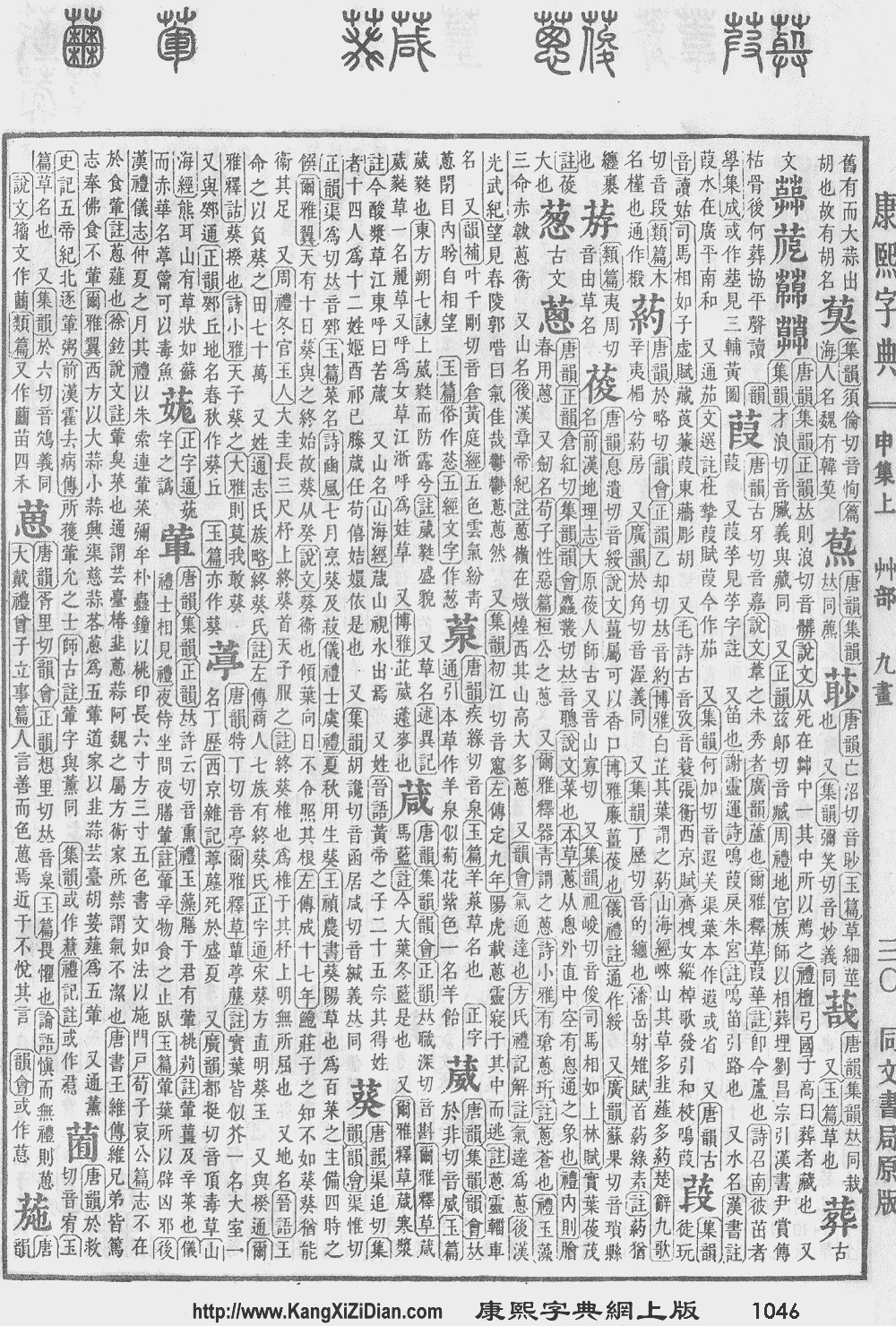
- Kangxi Dictionary: page 1046, character 5
- Dai Kanwa Jiten: character 31448
- Dae Jaweon: page 1507, character 9
- Hanyu Da Zidian (first edition): volume 5, page 3246, character 2
- Unihan data for U+846C
Chinese
| trad. | 葬 | |
|---|---|---|
| simp. # | 葬 | |
| alternative forms | ||
Glyph origin
| Historical forms of the character 葬 | ||||
|---|---|---|---|---|
| Shang | Western Zhou | Warring States | Shuowen Jiezi (compiled in Han) | Liushutong (compiled in Ming) |
| Oracle bone script | Bronze inscriptions | Bronze inscriptions | Small seal script | Transcribed ancient scripts |
 |
 |
|
 |
 |
Ideogrammic compound (會意/会意) : 茻 (“grass”) + 死 (“dead person”) – bury the dead 死 in the grass 茻. Top is now grass radical (艹), while bottom is simplified to 廾, hence graphically 艹 + 死 + 廾.
Pronunciation
Definitions
葬
- to bury; to inter
- 葬身 ― zàngshēn ― to be buried
- 葬花詞/葬花词 ― Zàng Huā Cí ― Poem of Burying Flowers (a poem in Dream of the Red Chamber)
- 子曰:「生事之以禮;死葬之以禮,祭之以禮。」 [Classical Chinese, trad.]
- From: The Analects of Confucius, c. 475 – 221 BCE, translated based on James Legge's version
- Zǐ yuē: “Shēng shì zhī yǐ lǐ; sǐ zàng zhī yǐ lǐ, jì zhī yǐ lǐ.” [Pinyin]
- The Master replied, "That parents, when alive, be served according to propriety; that, when dead, they should be buried according to propriety; and that they should be sacrificed to according to propriety."
子曰:「生事之以礼;死葬之以礼,祭之以礼。」 [Classical Chinese, simp.]- 以色列人將他葬在他地業的境內,就是在以法蓮山地的亭拿西拉,在迦實山的北邊。 [MSC, trad.]
- From: 新標點和合本 (Chinese Union Version with New Punctuation), 約書亞記 (Joshua) 24:30
- Yǐsèlièrén jiāng tā zàng zài tā dìyè de jìngnèi, jiùshì zài Yǐfǎlián shān dì de Tíngnáxīlā, zài Jiāshí shān de běibiān. [Pinyin]
- And they buried him in the border of his inheritance in Timnathheres, in the mount of Ephraim, on the north side of the hill Gaash.
以色列人将他葬在他地业的境内,就是在以法莲山地的亭拿西拉,在迦实山的北边。 [MSC, simp.]
- to bury in a specified way according to local customs
- 火葬 ― huǒzàng ― to cremate
- a surname: Zang
Synonyms
- (to bury):
Compounds
- 下葬 (xiàzàng)
- 亂葬埂/乱葬埂 (luànzànggěng)
- 亂葬崗/乱葬岗 (luànzànggǎng)
- 亂葬崗子/乱葬岗子 (luànzànggǎngzi)
- 厚葬 (hòuzàng)
- 叢葬/丛葬
- 合葬 (hézàng)
- 喪葬/丧葬 (sāngzàng)
- 國葬/国葬 (guózàng)
- 土葬 (tǔzàng)
- 埋葬 (máizàng)
- 壁葬 (bìzàng)
- 天葬 (tiānzàng)
- 安葬 (ānzàng)
- 懸棺葬/悬棺葬
- 拾骨葬 (shígǔzàng)
- 改葬 (gǎizàng)
- 敕葬
- 族葬
- 會葬/会葬 (huìzàng)
- 歸葬/归葬 (guīzàng)
- 殉葬 (xùnzàng)
- 殉葬品
- 殯葬/殡葬 (bìnzàng)
- 水葬 (shuǐzàng)
- 海葬 (hǎizàng)
- 渴葬
- 濫葬/滥葬
- 火葬 (huǒzàng)
- 燒葬/烧葬
- 營葬/营葬
- 碧葬
- 稿葬
- 臝葬/裸葬
- 葬儀社/葬仪社
- 葬師/葬师
- 葬玉埋香
- 葬禮/葬礼 (zànglǐ)
- 葬身 (zàngshēn)
- 葬身之地 (zàngshēnzhīdì)
- 葬身火窟
- 葬身魚腹/葬身鱼腹
- 葬送 (zàngsòng)
- 賣身葬父/卖身葬父
- 送葬 (sòngzàng)
- 遷葬/迁葬 (qiānzàng)
- 野葬
- 陪葬 (péizàng)
- 陪葬品 (péizàngpǐn)
- 隨葬/随葬 (suízàng)
- 鳥葬/鸟葬
- 黛玉葬花
References
- “葬”, in 漢語多功能字庫 (Multi-function Chinese Character Database), 香港中文大學 (the Chinese University of Hong Kong), 2014–
Japanese
Readings
Etymology
From Middle Chinese 葬 (tsangH, “burial”).[1]
Pronunciation
- IPA(key): [so̞ː]
References
- Jack Halpern (1991) New Japanese–English Character Dictionary, Bookwise International, →ISBN
Vietnamese
This article is issued from Wiktionary. The text is licensed under Creative Commons - Attribution - Sharealike. Additional terms may apply for the media files.